

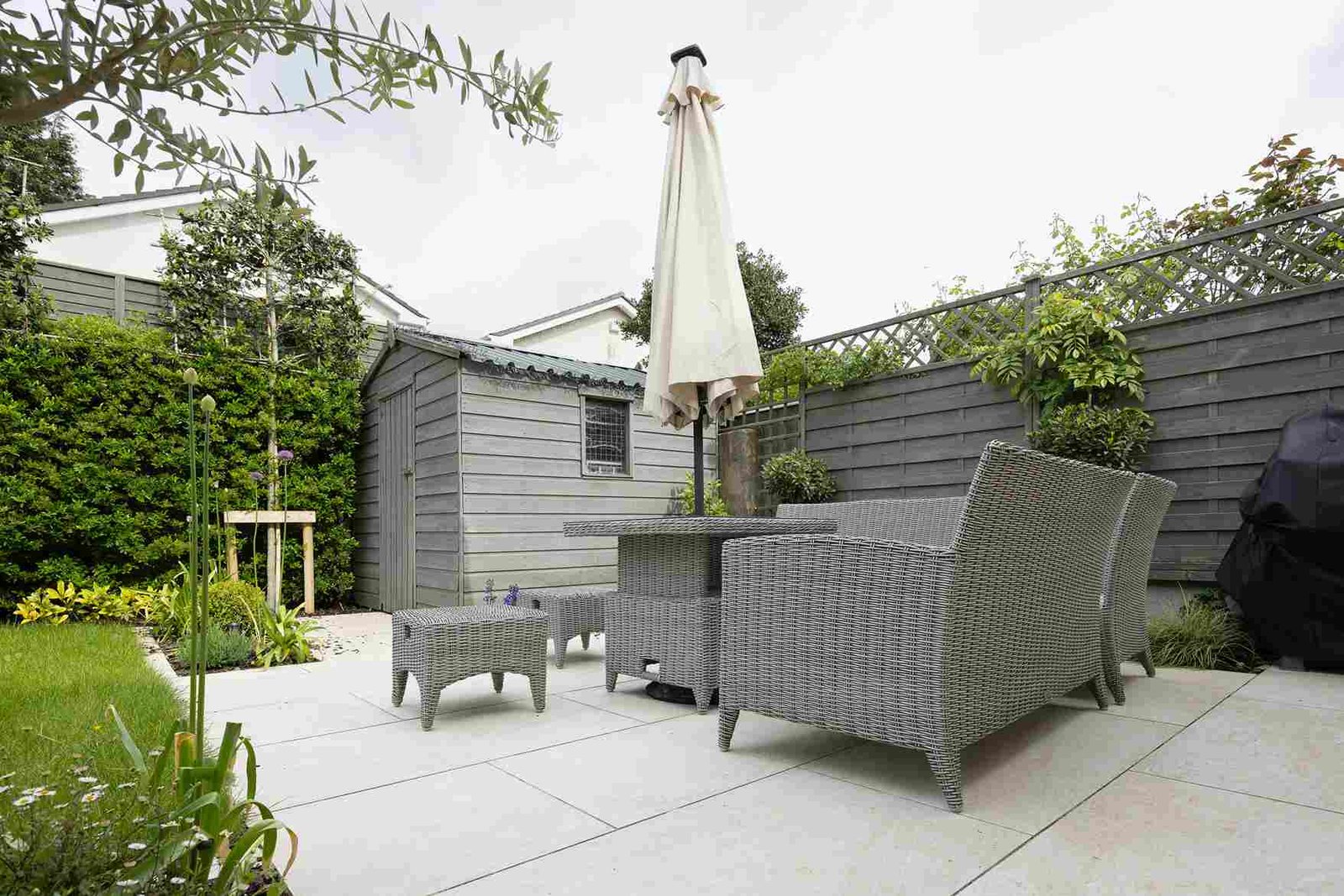
Small backyard design presents unique obstacles that enable designers to create both practical and attractive outdoor areas. The small backyard design process requires purposeful planning and smart space management, and specific design methods to create both expansive and structured, inviting environments. Homeowners can create stylish home extensions from their smallest outdoor areas through proper small backyard design methods.
This guide provides essential information that enables users to establish operational small backyard spaces. Homeowners who use these small backyard design methods will create outdoor areas that look expensive while delivering comfort and visual attractiveness.
The guide provides essential information that enables users to establish operational small backyard spaces. Homeowners who use these methods will create outdoor areas that look expensive while delivering comfort and visual attractiveness.
Understanding Small Backyard Design
Small backyard design focuses on achieving maximum functionality and visual appeal, and comfort within restricted outdoor areas. The selection process for small outdoor spaces requires both selecting appropriate components and the exact placement of all elements. The design of small backyards requires homeowners to select furniture pieces and plants and lighting fixtures and flooring materials, and decorative elements with care. A small backyard needs strategic design to create organization while allowing air to flow and establishing useful outdoor spaces that prevent overwhelming the area.
The first step for designing a small backyard involves determining the main function of the outdoor space. The determination of backyard functions between lounging and dining and gardening and entertainment activities enables homeowners to select appropriate furniture and landscaping elements. A well-designed small backyard can support various activities through strategic zone planning and visual separation techniques.
Small Backyard Design: Planning and Layout Strategies
The design of small backyards requires strategic planning to achieve effective layout organization. A well-organized layout design in small outdoor spaces creates an open and functional area that maintains balance. Small backyard design achieves its best results through the creation of distinct functional spaces. The backyard should contain three distinct areas, which include a seating zone in one corner and a small garden section, and a compact dining or entertainment area in separate parts. The defined walkways and low fences, and planters create a path for people to move through the space while maintaining an organized design.
The design of the backyard layout determines how spacious the area appears to users. Outdoor spaces achieve depth and flow through the combination of curved walkways with corner placements and linear arrangements. The yard becomes more visually appealing because small tables and water features, and decorative elements are strategically placed to create depth in the space. The backyard design needs to create visual balance through simple paths that lead to functional areas for daily use.
Landscaping Techniques for Small Backyards
A backyard requires proper landscaping methods to establish its basic design structure. The landscaping of small outdoor areas should establish depth and structure and visual interest through strategic placement of elements. The planting arrangement should start with tall plants at the back, followed by medium-height shrubs in the middle section, and finish with low groundcover or flowers at the front. The arrangement of plants creates depth perception, which makes the yard seem larger than it actually is.
Small backyard spaces benefit from container gardening and raised beds because these features expand planting areas while preserving walkable areas. The practice of vertical gardening enables homeowners to cultivate herbs and flowers, and small shrubs, without using valuable ground space. Homeowners can establish a backyard organization through low-maintenance small plants, which add visual appeal through their different textures and colors.
Small Backyard Design: Furniture Selection and Functional Elements
The selection of appropriate furniture pieces stands as a vital factor for small backyard design. Homeowners who choose multi-functional furniture for their small backyards create comfortable outdoor areas through effective space utilization of their limited yard space. The combination of foldable tables with stackable chairs and modular corner seating and benches featuring built-in storage provides excellent solutions for small spaces. The arrangement of furniture against walls enables people to move through the area while creating an illusion of greater room dimensions. The yard design includes functional elements that achieve multiple goals while avoiding clutter to establish a relaxing area for socializing and rest.
Small Backyard Design: Incorporating Greenery and Privacy
The placement of greenery in small backyards needs careful planning to get the most out of the space. The use of vertical gardens and wall-mounted planters and hanging pots, and trellises enables homeowners to add plants to their yard without using valuable floor space. The backyard benefits from these methods because they create height and depth and bring a lushness to the area. The vertical planting method functions as a privacy screen, which establishes private spaces for relaxation and entertainment while allowing sunlight and airflow to pass through the openings.
Every outdoor area, no matter how small, needs privacy to function as its essential base. The design achieves privacy through its combination of tall plants with lattice screens and pergola curtains, and strategically placed shrubs, which allow sunlight and air to pass through. The combination of greenery with privacy elements creates an open atmosphere that protects the backyard from outside views.
Small Backyard Design Lighting and Outdoor Ambiance
The correct placement of outdoor lighting in small backyards enables homeowners to create functional and welcoming outdoor spaces during nighttime hours. The correct placement of lights throughout the backyard will illuminate walkways and seating areas, and focal points to create a comfortable ambiance. The installation of string lights and wall-mounted fixtures and solar lanterns, and soft pathway lights will create a warm and sophisticated ambiance. Outdoor lighting installed in strategic locations serves dual functions by creating safer conditions and by creating visual effects that make the area seem more extensive.
Small Backyard Design Storage Solutions
A backyard requires suitable storage solutions to preserve its clean and organized state. The combination of built-in storage benches with wall-mounted shelves and vertical cabinets, and hidden compartments enables homeowners to organize their tools and accessories, and cushions. Homeowners can optimize their backyard area through smart storage solutions, which create organized systems that establish functional order and create attractive visual displays. Homeowners can implement functional storage solutions to establish a practical and stylish small backyard area that preserves its open design.
Creating a Cohesive Small Backyard Design Style
A unified design style in small backyards connects all elements between furniture and decorations and plants, and flooring materials. The design of modern minimalistic spaces works perfectly for small areas because it uses basic forms and neutral colors, and clean lines. The outdoor space achieves a refined and balanced appearance through its combination of wood and metal, and stone elements with greenery, which produce contrasting effects. Homeowners who want style and functionality in their small backyard can achieve it through suitable material selection and design approaches, regardless of their budget.
Small Backyard Design Matters More Than Ever
The design of modern homes with their urban settings now includes smaller outdoor areas as their standard feature. Homeowners today face the reality of working with small backyards and thin courtyards, and restricted outdoor areas. The current design trend requires professionals to develop small backyard designs that unite creative thinking with functional solutions to maximize every available space for comfort and beauty.
Smart design approaches help homeowners boost their property value.
A well-planned small backyard area creates substantial value for homeowners. The design of compact backyards reaches maximum efficiency through detailed planning because they eliminate all unneeded space that bigger yards typically have. A well-designed outdoor space becomes a home feature through the strategic placement of furniture and landscaping, and proper layout design. A well-kept small backyard creates a positive first impression for home seekers because it demonstrates both excellent maintenance and sophisticated design, which increases property value. Understanding local real estate market trends can help you make design decisions that maximize your investment return.
The design of small backyards creates better living experiences through their ability to provide private areas for relaxation and outdoor activities.
Small backyards create better living experiences through their ability to provide homeowners with private outdoor spaces for relaxation and recreational activities. Small outdoor spaces can be redesigned into peaceful resting areas and small dining spaces, and gardening spaces for relaxation. The design process requires creators to establish functional areas that create defined routes and simple access points. Homeowners who want comfort and usability can create their own personal retreat space by redesigning their small backyard area.
The design of small backyards enables people to practice urban gardening while supporting environmentally friendly practices.
Homeowners who have small backyards can implement creative gardening methods that optimize their restricted outdoor space. Homeowners who use vertical planting and container gardening, and raised beds can successfully cultivate multiple types of flowers and herbs and small vegetables in their limited outdoor space. Backyard greenery serves two functions because it produces beautiful scenery and supports urban sustainability through its ability to reduce carbon emissions and establish native plant species. Homeowners can establish serene green areas through small-scale gardening, which optimizes their limited outdoor areas.
A well-designed small backyard creates visual appeal through its strategic design elements and plant choices, and decorative accents.
A small backyard achieves visual appeal through the strategic use of design elements together with plant choices and decorative elements. Small backyards appear larger through the combination of different planting heights and vertical elements, and purposeful main attraction placement. The backyard will achieve a peaceful, welcoming atmosphere through the proper selection of colors and materials, and texture combinations.
Design principles help designers create outdoor spaces that achieve balance through their ability to create open areas in restricted areas.
The design of small backyards enables homeowners to use their spaces for multiple activities in their compact homes.
The design of small backyards enables homeowners to create separate areas for seating and dining and gardening, and entertainment through strategic space planning.
The backyard features separate zones that achieve their functions through a single design system. The adaptable design approach enables homeowners to use their small outdoor spaces for various activities, which range from social events to personal relaxation time. Homeowners can use their small backyards for different activities through multi-purpose design solutions, which prevent the space from becoming too crowded.
Small backyard designs provide various benefits to people who own homes.
Homeowners who work with small backyards gain better design flexibility and control over their outdoor spaces. The reduced need for landscaping and furniture, and maintenance expenses enables homeowners to explore creative solutions that enhance space functionality. A properly designed small backyard area can evolve into an attractive outdoor space that expands the residential living area. Homeowners who learn creative thinking methods to maximize their restricted spaces will find that small areas do not prevent them from building substantial living spaces.
Small Backyard Landscape Ideas
The design of any backyard starts with landscaping, but small outdoor spaces need unique approaches to this element. Small backyard landscaping requires designers to establish deep and structured areas through their design work while maintaining open spaces. Small yard design needs careful planning because these areas must fulfill both visual appeal requirements and functional requirements. The correct landscaping approach helps homeowners build an attractive and verdant backyard area, which seems expansive despite working with limited space.
Small backyard landscaping creates depth through the purposeful arrangement of plants, which extend from various height positions.
The visual effect of height placement in plants creates an illusion of expanded space because tall plants stand at the back, followed by medium shrubs, and ending with low-growing ground cover or flowers at the front. The planting arrangement produces depth through its presentation of plant textures and colors, which results in an engaging and varied outdoor environment. The method produces an expanded backyard area that maintains its well-organized design.
The design features small shrubs and plants that are strategically placed throughout the entire area.
Homeowners need to select plants for their small backyards that will remain compact in size. The area becomes difficult to control because big trees and dense plants block walkways while making it hard to see inside small spaces. Homeowners can establish attractive outdoor spaces through the use of compact shrubs and ornamental grasses, and easy-to-maintain flowering plants that do not obstruct essential areas. The placement of plants along property borders and corners serves two functions by establishing property boundaries and blocking views while leading visitors through the outdoor area.
Homeowners can use container gardening to create more space in their small backyard areas.
Homeowners can add plants to their yard through pots and raised beds, and planters that do not block seating areas or walkways. Homeowners maintain complete freedom to relocate their plant containers between different areas to create new plant displays according to seasonal needs and personal design choices. The yard achieves depth through its collection of diverse containers, which create layered plantings while maintaining accessible walkways.
Homeowners who have limited outdoor space can achieve their gardening needs through vertical gardening methods.
Homeowners can grow plants through wall-mounted planters and trellises and hanging pots, and modular vertical gardens, which do not occupy essential floor space. Homeowners can achieve maximum backyard space utilization through vertical planting because this method creates depth and visual interest in their outdoor spaces. The vertical growth of vines and herbs, and ornamental plants creates lush green walls that enhance yard beauty while maintaining floor accessibility.
Using Minimalist Ground Cover
The selection of minimal ground cover materials, including low-growing grass and moss, and small pavers and gravel, enables homeowners to preserve open areas while preventing their space from becoming crowded. The ground treatment method produces a contemporary appearance that supports well-planned plant arrangements and furniture arrangements. The design achieves a smooth visual flow through the backyard because of its ground cover selection, which features subtle textures and neutral colors.
Designing Narrow Pathways and Functional Layouts
The design of small backyard pathways in small spaces should focus on creating narrow paths that direct traffic while preserving maximum available space. The design of curved paths and stepping stones, and linear pavers serves to guide visitors through the space while creating an attractive visual effect. The combination of pathways with container gardens and layered planting creates an organized yard that allows easy movement. The strategic design of pathways enables homeowners to establish separate areas for different functions, which results in a balanced and harmonious outdoor space despite limited dimensions.
Creating Multifunctional Garden Beds
The design of multifunctional garden beds functions as an effective solution to boost the operational value of compact backyard areas. The combination of planting areas with seating and storage, and decorative elements enables homeowners to achieve multiple uses from their backyard space. The garden space combines raised beds with storage compartments and seating areas to create a functional area for gardening and additional useful features. The entire outdoor area achieves unity through dual-purpose elements that serve both aesthetic and operational purposes.
The design of small backyards requires strategic landscaping because it enables homeowners to achieve both functional spaces and visually appealing areas while optimizing their available space. The combination of layered planting with compact shrubs and container gardening and vertical greenery and minimalist ground cover and narrow pathways, and multifunctional garden beds transforms small outdoor areas into expansive and organized, and visually appealing spaces.
Designing Small Backyard Spaces
The process of designing small backyard spaces requires you to understand your outdoor requirements and to apply design principles, which include scale and proportion and balance, and movement flow. Every element in a compact backyard needs to have a purpose because it should create a unified and functional outdoor space. Small backyard design needs precise planning because all elements, including furniture and plants, and decorative items, require strategic placement to create visual balance.
Identifying the Purpose of Your Backyard
The first step for designing a small backyard involves establishing its main function. The selection of furniture and plant arrangement becomes easier when you understand the backyard’s intended use, whether for relaxation or dining or gardening, or entertainment. A yard for relaxation needs to have either a resting spot with seating or a hammock, but a dining yard requires a tiny eating table with chairs that face toward plants. Spaces that serve multiple functions should include elements that serve multiple purposes, such as storage-equipped benches and foldable furniture, and dual-purpose garden-lounge areas.
Evaluating Space and Layout
The measurement of backyard dimensions stands as the essential factor for creating an effective outdoor design. The process of taking accurate measurements prevents overcrowding while enabling proper placement of furniture and plants, and walkways. The strategic arrangement of functional areas with purposeful open areas creates balance in small outdoor areas. The allocation of enough space for movement and circulation will produce a backyard that stays both accessible and comfortable. The design of yard spaces becomes more efficient through strategic placement of angled corners and corner seating areas and linear walkways, which work well for yards with irregular shapes.
Considering Sunlight and Shade Patterns
Small backyard design needs to consider sunlight and shade patterns because these factors determine how the outdoor area will function. The observation of sunlight patterns throughout the day enables you to select optimal locations for seating areas and dining spaces, and gardening sections. The yard contains two sections, which provide ideal areas for relaxation and protected plant zones that need sunlight protection for their growth. The strategic placement of shade-providing elements, including pergolas and retractable awnings, and vine-covered trellises, creates comfortable spaces without using up too much area.
Planning Movement Flow and Focal Points
The design process for small outdoor spaces needs to focus on creating paths for human movement. The design of pathways and furniture arrangements, and plant placement should create a natural walking path through the yard while preventing any barriers to movement. The design of small backyards requires direct access between different areas, including seating spaces and garden beds, and dining areas. The addition of focal points throughout the yard, including decorative fountains and statement plants, and seating arrangements, will attract viewers and create visual appeal. The establishment of focal points in a design helps create defined areas and adds structure, which makes the space appear planned and purposeful.
Applying Minimalistic and Modern Design Principles
The design of small backyards benefits from using minimalistic designs and modern themes, and open areas that serve multiple purposes. The combination of straight lines with unembellished color schemes and uncluttered furniture arrangements creates an illusion of expanded space in small yards. A corner pergola with compact outdoor sofas creates a flexible space that serves as both a dining area and a relaxed seating zone. The combination of open spaces with versatile furniture and simple decorative elements creates both comfort and visual appeal while maintaining a sense of spaciousness.
Optimizing Multifunctional Zones
A small backyard design requires separate areas for different functions, which helps maximize available space. The seating area serves as a reading area and outdoor workspace, while the elevated planting bed serves dual purposes by adding green spaces and screening the area. The backyard features multifunctional elements that serve different purposes to create functional areas that also provide visual appeal. The strategic design of backyard areas allows different activities to take place without creating clutter, which makes small yards both functional and enjoyable.
The creation of effective small backyard designs needs careful assessment of backyard functions and space dimensions and sunlight patterns and movement paths, and design aesthetics. Homeowners who use these design elements with minimalist layouts and multifunctional zones and purposeful focal points, will create functional and visually appealing outdoor spaces from their limited backyard areas.
Space-Saving Small Backyard Design Tips
The key to a successful small backyard makeover exists in space-saving design, which serves as its essential foundation. The selection of every element for small outdoor spaces requires careful consideration because each item needs to find its perfect position to maintain both functionality and visual appeal. Space-saving techniques help backyard areas stay organized while creating comfortable spaces with attractive designs and functional elements.
Wall-Mounted Planters for Small Backyard Design
Wall-mounted planters serve as an excellent solution to bring plants into your space without using floor space. The planters function as wall-mounted fixtures that let you build vertical gardens that enhance your yard’s appearance through depth addition. Wall-mounted planters support a wide range of plants, including herbs and flowers, and small shrubs, which make them perfect for creating lush green spaces in restricted areas. The elevation of plants above the ground enables homeowners to maintain additional open areas that can be used for seating areas or entertainment spaces.
Homeowners who have limited backyard space can benefit from outdoor furniture that either folds up or stacks together.
The folding and stacking design of outdoor furniture makes it suitable for small backyards because it transforms into a storage solution when not in use. The furniture pieces let homeowners establish various areas for dining and socializing, and relaxation because they can be moved around easily. The compact design of furniture enables homeowners to maintain functional areas in their yard without creating any sense of overcrowding.
Built-in benches with storage compartments serve two purposes because they function as seating areas and hide outdoor items, including gardening tools and toys, and cushions.
The built-in storage benches in these designs enable homeowners to establish functional outdoor areas in their small backyards while keeping their yard area organized. The built-in seating design along walls and corners, and pathways enables homeowners to create functional areas that do not block traffic while creating an intentional design aesthetic.
The design of narrow pathways enables better yard circulation in small outdoor spaces while directing people through different areas.
The use of stepping stones and pavers, and gravel materials for pathways creates defined walking paths that do not require excessive space. The yard design features curved and linear pathways, which create visual appeal and establish a continuous flow between different areas. Homeowners who plan their pathways correctly will establish a wide-open backyard space that remains organized and easy to navigate.
The conversion of extensive lawns into gravel or paver surfaces helps homeowners optimize their available outdoor space.
Hardscaping materials used in place of traditional lawns provide multiple benefits because they need less maintenance and enable flexible furniture placement, and create unobstructed visual areas that make the backyard appear larger. Homeowners can establish different outdoor areas through zone definition by using gravel and pavers for different sections while maintaining small planting beds for visual appeal.
Vertical plant walls function as an alternative to traditional ground-based plantings for space-efficient gardening.
Homeowners can use living walls and trellises, and modular vertical planters to grow plants and herbs, and flowers in limited floor space. Homeowners can create green spaces that enhance visual appeal and provide privacy through vertical planters, which also make their yard appear larger. The system operates best for small outdoor spaces because it preserves open floor space, which would otherwise be used for conventional garden beds.
The selection of thin-profile seating items together with decorative elements helps homeowners achieve an unobstructed backyard atmosphere.
The selection of furniture with thin frames and small cushions, and basic accessories, enables homeowners to find comfort without taking up excessive space. The selection of small planters and compact lanterns, and lightweight tables enables homeowners to create a balanced design while preventing clutter from accumulating in their backyard. Homeowners can achieve a spacious backyard with organized visual balance through their selection of slim functional pieces.
Modern Small Backyard Design and Layout Solutions
Modern outdoor design works best for small backyards because it creates basic designs that merge functional elements with structured visual arrangements. Modern design principles create uncluttered spaces through minimalistic design, which creates the illusion of larger areas while producing luxurious and organized outdoor environments. The design of modern spaces uses fundamental geometric shapes together with uncolored palettes to create a simple aesthetic that lets the yard maintain its natural appearance through minimal decorative elements.
Key Elements of Modern Small Backyard Design Décor
The primary goal of modern backyard design centers on building functional outdoor furniture spaces. The design includes comfortable seating areas and modular benches, and multipurpose tables that serve dual purposes to save space. The visual field remains unobstructed because of narrow wall-mounted lamps and subtle overhead string lights, which create ambiance in the space. The design of nature-fluid elements combines hardscape elements with plants and natural textures to establish a peaceful and balanced outdoor space.
Modern Layout Techniques for Small Backyard Design
The design process for small outdoor spaces requires choosing specific elements that should be placed in strategic positions. The placement of a floating bench against a boundary wall creates seating areas without using any floor space. The backyard design achieves balance through its combination of vertical green walls with slim metal planters and rectangular fire pits, which provide both functional and stylish elements. The yard stays clean because of its basic design, which uses concrete pavers and gravel pathways to create easy walking paths.
Minimalistic and Scandinavian-Inspired Design Trends
The design method that combines Scandinavian design with minimalist principles produces outstanding results for small backyard areas because it creates open spaces with unobstructed views and bright areas. The yard maintains its open feel because each element stands out from the others through its neutral color scheme and unadorned surfaces, and subtle textures. Homeowners who use minimalistic design with multi-functional furniture and vertical plants will create an outdoor space that appears spacious while looking stylish and serving multiple functions. The design method incorporates functional elements that serve multiple purposes to establish both attractive and efficient small yard areas.
The design elements function as a unit to generate an illusion of expanded spaces.
Small backyard areas become more spacious through modern décor and layout solutions, which eliminate all nonessential visual elements. The combination of strategic furniture placement with functional elements and greenery integration produces a space that feels deep and structured, and easy to navigate. The entire design process, from choosing planters to designing pathways, works together to create a unified space that appears spacious and comfortable, and well-planned.
Vertical Gardening for Small Backyard Design
Vertical gardening has become a revolutionary method that solves problems related to limited backyard dimensions. The vertical gardening method enables plants to climb upwards instead of spreading out horizontally by using walls and fences and trellises, and other vertical supports. The method enables homeowners to create functional gardens that use minimal space while keeping their floors free for walking and relaxation, and social activities.
Benefits of Vertical Gardening in Small Backyard Design
The main advantage of vertical gardening emerges from its ability to maximize space usage on the ground. Homeowners who use vertical gardening methods can add more plants to their spaces because the method does not require additional floor area. The backyard space achieves depth through vertical plant placement, which also makes the area appear taller. The structures function as privacy screens because they establish organic boundaries that separate different yard areas from property borders. The vertical planting method enables homeowners to choose from various plant species, including flowering vines and herbs, and small shrubs, which creates a complete garden appearance in restricted areas. The garden design produces a multi-level outdoor space that enhances both the appearance and functionality of the limited outdoor area.
Types of Vertical Gardens for Small Backyards
The following vertical gardening solutions work best for small backyard spaces. The rustic design of pallet planters, combined with their affordable price, makes them suitable for supporting different plants, which can be arranged vertically. Steel grids function as robust structures that enable plants that climb and vine to grow. The natural growth of plants through trellises produces various visual effects because trellised walls become complete green privacy screens when vines cover them. The modular design of vertical planters enables homeowners to rearrange their plant arrangements whenever they need to change their garden design or when their space requirements shift. The combination of hanging pot columns with vertical planting enables homeowners to create multiple levels of greenery in restricted spaces, which produces an active and attractive garden display.
Small Backyard Spaces Can Easily Incorporate Vertical Gardening Systems
The design of small backyards enables vertical gardening to become a fundamental element of their design structure. Vertical planters installed by walls near seating spaces generate visual appeal without obstructing foot traffic. The installation of trellises or vine plants on corner fences creates enclosed spaces that serve as privacy barriers. The space functions well and looks great because it combines vertical plants with basic furniture and narrow walkways, and multiple-use areas. Vertical gardening methods enable homeowners to establish dense plant growth, which enhances privacy and visual appeal without diminishing essential open areas.
Homeowners can create functional and attractive outdoor spaces from their small backyard areas by using vertical gardening methods. The combination of pallets with steel grids and trellises and vine-covered walls, modular planters, and hanging columns enables homeowners to create dynamic garden spaces that serve both functional and decorative purposes in their smallest outdoor areas.
Privacy Options for Small Backyards
The proximity of neighboring homes creates difficulties for residents who need to protect their private areas in their limited outdoor areas. The right design elements enable small outdoor areas to transform into private spaces that provide comfort and visual beauty. The installation of privacy solutions enables homeowners to block unwanted views while creating an attractive and peaceful backyard space that functions as their personal retreat.
Bamboo Screens and Lattice Panels serve as privacy solutions.
Bamboo screens and lattice panels serve as excellent privacy solutions because they create separation while enabling sunlight and air to enter through the spaces. Bamboo screens serve as a light-weight organic partition that manages sunlight penetration and air movement to establish a secluded space. The lattice panel design enables plants to climb through its openings, which results in a green partition that matches the backyard environment. The solutions enable yard visibility while creating an attractive appearance in the outdoor space.
Pergola Curtains function as a flexible solution that provides privacy to backyard areas.
Homeowners can use pergola curtains to achieve backyard privacy through their adaptable design. Homeowners can use pergola curtains to manage their exposure to neighboring views and sunlight, and wind through their installation on overhead structures. The curtains function as both privacy screens and sun blockers, which homeowners can use to block views or let in more light. The solution offers functional advantages together with attractive design elements, which establish a shaded area that needs no additional space.
The combination of Tall Hedge Planters and Vertical Plant Walls serves as an excellent solution for building organic privacy screens.
The backyard benefits from hedge planters, which use dense shrubs and tall grasses to create living partitions that establish separate areas while preserving natural beauty. The vertical plant walls function as two-in-one solutions because they bring in plants while blocking the line of sight to neighboring properties. The space-efficient vertical solutions create green barriers that deepen the backyard atmosphere while adding visual appeal to the space.
Wooden Slat Partitions
The modern wooden slat partition design helps people create private spaces in their compact outdoor areas through its simple design. The slatted design structure allows sunlight and air to enter the space while keeping neighboring properties out of view. The partitions enable homeowners to establish separate areas through their design, while climbers can support plant growth for added visual appeal. The wooden material brings warmth to the backyard space while matching with other decorative elements and furniture, and flooring.
Small yards need privacy solutions that block views while allowing air to flow and sunlight to enter.
Homeowners have multiple options for backyard barriers, which include lightweight and vertical and semi-transparent designs to achieve their desired privacy level while maintaining a bright and airy atmosphere. Homeowners who use screens together with panels and curtains and hedges and vertical greenery, and partitions will create a private outdoor area that appears spacious and elegant even in limited spaces.
Outdoor Furniture Planning for Small Backyards
The process of selecting outdoor furniture for small backyards demands strategic planning because it helps maintain both operational value and comfortable usage, and unobstructed visual access. The large and heavy furniture items that fill up limited spaces create a feeling of being trapped because they block access routes and reduce the appearance of outdoor space. Homeowners can achieve their design goals through functional pieces by choosing appropriate furniture that they place correctly in their space.
Selecting the Correct Outdoor Furniture
The most suitable furniture for small backyard areas should have dual functions. The combination of storage capabilities with modular design and stackable functionality in benches and corner sofas, and stools enables homeowners to achieve maximum functionality in their restricted outdoor areas. The slim design of chairs and foldable dining sets makes them suitable for small areas because they occupy minimal space and can be moved or hidden when needed. The selected furniture pieces offer flexible use and adaptability while optimizing the use of available floor area.
Outdoor Furniture Arrangement for Maximum Space
Designers must establish movement paths during outdoor furniture planning to enable people to move through the space. The placement of outdoor furniture needs to follow particular rules to establish walking paths that enable people to move through the yard without creating a crowded atmosphere. The placement of furniture along edges and corners helps create open pathways through the backyard since these areas remain available for walking and other activities. The method creates comfortable spaces while preventing the area from becoming too crowded.
The design process for furniture needs to concentrate on creating an illusion of expanded space.
The selection of furniture with thin designs and lightweight materials and neutral color schemes helps create a sense of openness in outdoor spaces. Backyard owners can transform their space layout between different activities through modular furniture rearrangement, which prevents visual disarray. The use of uniform design elements between furniture pieces creates a unified look, which makes small areas appear more extensive and organized.
The design process needs to achieve perfect equilibrium between functional zones and comfortable seating areas.
The selection of ergonomic seating combined with added cushions and sufficient table space enables homeowners to create a more functional outdoor space. Homeowners can create comfortable spaces for social events and personal time through the combination of foldable and stackable elements. Design elements that unite practical requirements with attractive appearances transform small backyard areas into comfortable outdoor living areas.
Small Backyard Design: Lighting, Zoning, and Storage Solutions
Small backyard spaces require three fundamental elements for design success, which include effective lighting and strategic zoning, and smart storage solutions. The combination of these elements produces functional spaces that create organized and attractive designs for small outdoor areas. The combination of proper lighting and zoning, and smart storage systems creates an environment where people can see everything clearly while maintaining a comfortable atmosphere, and they help organize spaces for better functionality.
Lighting Options for Small Backyards
The lighting system installed in a small backyard determines what experience users will have in this space. String lights remain popular because they generate a cozy ambiance through their design, which creates visual effects that make rooms appear bigger by establishing walkable paths and relaxation zones. The wall-mounted design of sconces delivers focused lighting while using no floor area, so they work best for thin outdoor spaces. The Pathway LEDs enable safe and fashionable path navigation through their design, while solar lanterns and step lights offer visibility without requiring complex wiring systems. The combination of these lighting elements produces multiple light layers, which both protect the area and create an attractive atmosphere while showing off plants and furniture, and decorative items.
Zoning Strategies in Small Backyard Design
Zoning functions as an effective tool to establish different functional areas in small backyards through boundaries that exist in space rather than physical obstacles. Homeowners can create functional areas through zone-based design, which organizes their space while keeping it open. The achievement of zoning becomes possible through the purposeful arrangement of furniture and planters and pathways, and flooring material selection. The pergola corner contains two small seating areas, which create a lounge area, while a separate paved section serves as a dining space. The method creates organized spaces that bring order to small outdoor areas while maximizing their functionality.
Smart Storage Solutions for Small Backyard Design
Homeowners can maintain organized small backyard spaces through the implementation of smart storage solutions, which prevent clutter accumulation. Vertical cabinets and wall-mounted hooks make use of vertical space to store tools and garden accessories, and cushions, while keeping the floor space available. Deck boxes and hidden bench storage serve as multipurpose solutions because they provide seating functions together with storage areas for important items. The design of corner shelves enables users to optimize underused areas through their creation of functional storage zones that match the aesthetic of the space. Homeowners who use these storage solutions together will create an organized backyard that maintains its functional value and attractive appearance.
Combining Lighting, Zoning, and Storage
Small backyards become more functional and visually appealing when lighting and zoning, and storage elements are used in a well-planned manner. The combination of layered lighting techniques creates both focal point emphasis and a friendly atmosphere throughout the space. The purposeful arrangement of zones enables different activities to take place in designated areas. Smart storage systems maintain both organization and accessibility of all elements, which helps decrease clutter while optimizing available space. The combination of these strategies produces functional residential areas that combine attractive design with comfortable living spaces in small outdoor spaces.
Budget-Friendly and Sustainable Outdoor Design for Small Backyards
The process of upgrading small backyards proves more affordable because these spaces need minimal resources and work hours compared to bigger outdoor areas. Homeowners who plan their outdoor space correctly will obtain a stylish and functional area without spending more than they need to. Homeowners can save money through sustainable practices, which create environmentally friendly backyards that serve both functional and visual needs.
Recycled Planters for Budget-Friendly Small Backyard Design
Homeowners can save money through recycled planters, which also help them create distinctive backyard decorations. The process of turning discarded crates and jars, and other recycled items into plant holders produces a fashionable look while reducing both waste and costs. The process of using reclaimed wood for furniture and decorative items creates a rustic appearance while saving money because it eliminates the need for expensive new materials. Homeowners who choose these sustainable options will obtain environmental sustainability together with design perfection for their outdoor backyard areas.
Drought-Resistant Plants and Eco-Friendly Landscaping
The selection of drought-resistant plants makes budget-friendly landscaping maintenance simple. The plants need minimal care and water consumption, which leads to lower utility expenses and reduced maintenance requirements. Homeowners can maintain green spaces without traditional lawn maintenance costs through the combination of drought-tolerant plants with artificial grass and low-water ground covers. The installation of gravel surfaces instead of wide lawns creates durable, attractive areas that decrease watering and mowing requirements while making the backyard appear larger.
Sustainable Lighting Solutions
Small backyards can be illuminated through the use of solar lights, which serve as an affordable and environmentally friendly solution. The lights operate without wires while using minimal electricity, and they can be moved to different locations whenever needed. The combination of solar pathway lights with string lights and wall-mounted solar lamps produces a lovely atmosphere while promoting environmentally friendly practices. Homeowners who choose energy-efficient lighting solutions for their backyards will get outdoor lighting without any rise in their utility bills or environmental impact.
Combining Budget and Sustainability
Homeowners who implement recycled planters with drought-resistant plants and solar lighting and gravel areas and reclaimed wood furniture, and eco-friendly turf alternatives will create a budget-friendly, sustainable small backyard. The implemented strategies help homeowners decrease their outdoor work while saving money and protecting the environment in their outdoor areas. The right design choices enable homeowners to transform their small outdoor spaces into both stylish and functional and environmentally friendly retreats.
Small Backyard Design Frequently Asked Questions (FAQs)
1. What small backyard design elements make spaces appear larger?
The illusion of expanded space in small backyards emerges through vertical gardening and layered planting and narrow pathways and light-colored furniture and minimalistic décor, and multifunctional furniture. The implemented strategies create depth and open movement and visual spaciousness without introducing any additional clutter.
2. What are the best space-saving small backyard design solutions?
The following space-saving solutions work for compact backyards: users should choose furniture that folds or modules together and install wall-mounted planters and built-in storage benches and select slim décor items and vertical plant walls, and replace wide lawns with gravel or pavers. The implemented methods achieve the highest possible space utilization while maintaining an open environment.
3. Which Plants Work Best for Small Backyard Design?
The most suitable plants for small backyard design include dwarf shrubs and ornamental grasses and succulents and lavender and ferns, and compact flowering plants. Vertical gardens and layered planting methods enable you to establish new green areas that match perfectly with your small backyard dimensions.
4. What Privacy Options Work for Small Backyard Design?
The installation of bamboo screens and lattice panels and pergola curtains and tall hedge planters and vertical plant walls, and wooden slat partitions will help you achieve privacy. The solutions create an enclosed outdoor space that allows air to flow and sunlight to enter while providing both comfort and advanced design elements.
5. Can I achieve stylish small backyard design on a budget?
A modern and functional backyard space can be achieved through budget-friendly solutions, which include using recycled planters and drought-resistant plants and solar lighting and gravel areas and reclaimed wood furniture, and eco-friendly turf alternatives. The Scandinavian design aesthetic and minimalistic approach create ideal solutions for small budget-friendly outdoor spaces.
6. Can Small Backyard Design Include Multiple Functional Areas?
Yes. A small backyard can function as multiple areas through the combination of zoning and modular furniture and vertical gardening, and smart storage solutions, which maximize its functional potential.
7. What Water Features Work in Small Backyard Design?
Small backyards can accommodate miniature fountains and narrow waterfall panels, and plunge pools as their perfect water feature options. Vertical water features installed in corners will produce an attractive design while preserving the available floor space.
8. What Lighting Works Best for Small Backyard Design?
The combination of string lights with wall-mounted sconces and pathway LEDs and solar lanterns, and step lights produces a layered lighting effect. The right lighting selection creates an attractive space that showcases important elements while maximizing space efficiency without creating any extra clutter.
Conclusion: Transforming Your Small Backyard Design
The small backyard design process demands innovative solutions to establish useful spaces with visually appealing designs. Effective small backyard design can transform any compact outdoor area into a versatile retreat.
The design of small backyards enables homeowners to select space-maximizing solutions that create functional areas with attractive designs. The implemented strategies help homeowners maximize their backyard space through the creation of private areas that offer comfort and visual appeal.
A small outdoor space can become a luxurious retreat when you use appropriate furniture and storage solutions and effective lighting, and flexible layouts. Homeowners who use these design concepts can create their own outdoor sanctuary, which boosts property value and enhances their way of life while turning their small yard into a stylish and useful outdoor living area.