

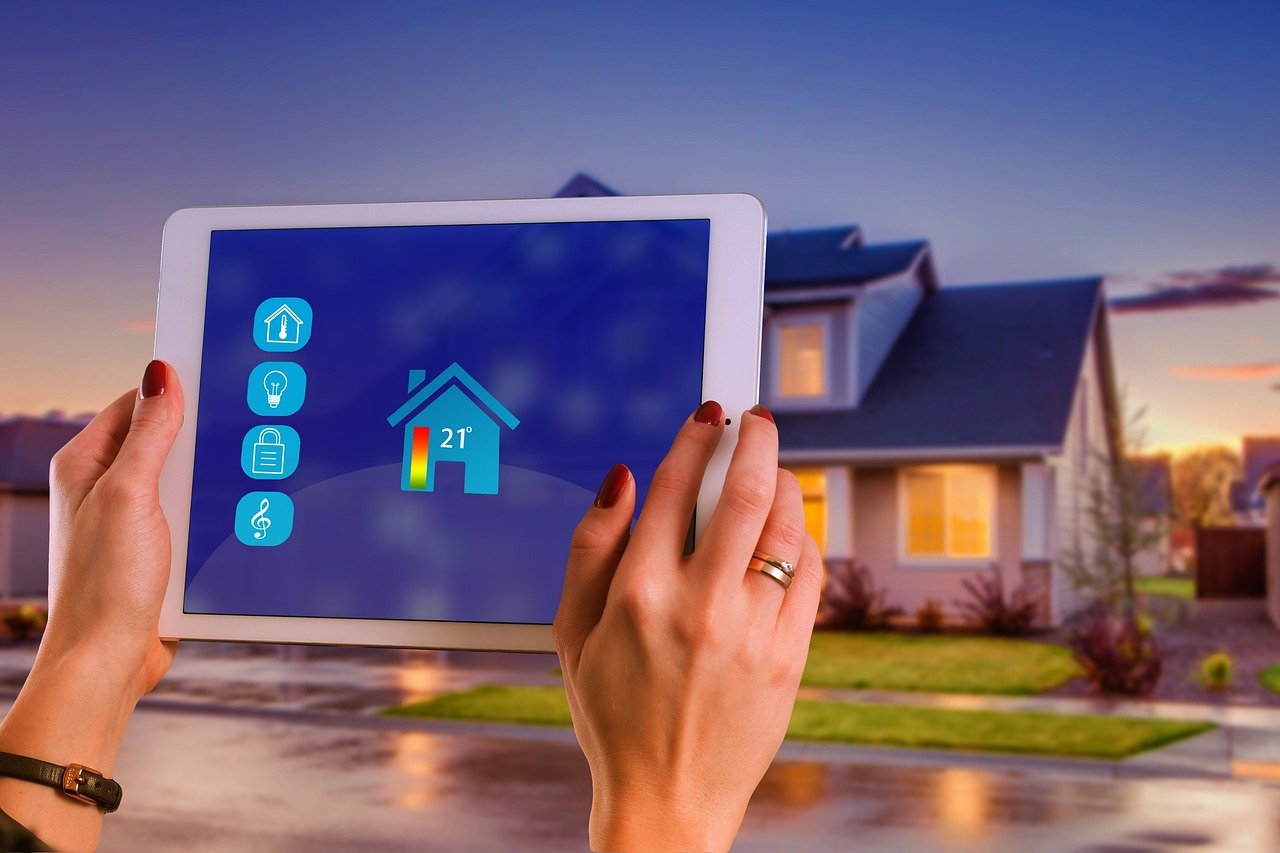
Your home needs to serve as your absolute safety haven so you must establish home security systems that protect your essential assets. Security breaches and thefts and break-ins occur annually to millions of homeowners who could have avoided these incidents through suitable home security systems. A complete safe home security system requires more than basic alarm installation because it needs multiple defensive layers that operate continuously to safeguard your family and important possessions.
This complete 2025 guide to safe home security provides homeowners with everything needed to protect their property effectively. Whether you’re exploring safe home security for the first time, seeking flexible rental solutions, or upgrading outdated systems, this comprehensive safe home security guide covers modern technology, affordable options, professional installation methods, and practical strategies that deliver real protection.
Understanding Modern Safe Home Security
Home security systems have undergone substantial changes during the last ten years. Homeowners now have access to security systems that they can choose based on their budget and individual needs through affordable, customizable options.
What Makes a Safe Home Security System Reliable?
Safe home security systems offer dependable defense against both intruders and hacking attempts while remaining simple to operate for all household members and providing fast response from monitoring services. A truly effective safe home security system protects your home from physical intruders and digital cyber threats simultaneously, creating a comprehensive shield around your property that addresses modern security challenges.
The Current State of Safe Home Security in 2025
Safe home security camera installations have experienced rising popularity, with research showing growing adoption across American residential areas. The safe home security industry reached $60 billion in 2025, with experts predicting it will double to $120 billion by 2035 as more homeowners recognize that investing in safe home security isn’t optional. It’s essential for protecting their families and properties in today’s world.
Security camera usage became more popular among homeowners and renters during 2023 and 2024. Home security stands as an essential requirement because people now understand its importance. Security system installation rates show that parents lead the way in home security investments because they want to protect their children at home.
Why Traditional Home Security Isn’t Safe Enough Anymore
Burglars have developed advanced techniques that bypass traditional security measures, making safe home security more critical than ever. Basic alarm systems fail because criminals know how to disable landlines and evade detection. Modern safe home security requires layered protection systems that meet current security standards, ensuring your property remains protected even when intruders attempt sophisticated break in methods.
Types of Safe Home Security Systems Explained
The process of choosing a home security system demands understanding what systems exist, together with their particular operating capabilities.
Professionally Monitored Safe Home Security Systems
Professionally monitored safe home security systems function as the established leaders in residential protection, providing the highest level of safety for your family. These safe home security systems send immediate alerts to monitoring centers that activate emergency response for your property within seconds. Companies like ADT have operated continuously for over 150 years, demonstrating why professional safe home security monitoring remains the gold standard for comprehensive home protection.
The price range for professional monitoring services extends from $25 to $80 monthly, depending on your chosen features. Your home stays under surveillance through trained professionals who monitor it during your sleep and travel times. Homeowners who install professionally monitored security systems qualify for insurance premium reductions.
Self-Monitored Systems
Self-monitored safe home security systems give users complete authority to manage their protection directly from smartphones. When your safe home security system detects suspicious activities, alerts appear instantly on your device. Self-monitored safe home security solutions provide full access to camera footage, direct police contact, and false alarm dismissal, putting you in complete control of your home’s protection.
The system draws users who possess technical skills because it removes the need for scheduled monthly system maintenance. SimpliSafe provides excellent self-monitoring functionality to its customers, although users can select professional monitoring as an additional service. Self-monitoring plans start at no cost, but their monthly fees range from zero to twenty dollars, which makes them suitable for renters who want to lower their security costs.
Wireless Home Security Solutions
Wireless safe home security solutions have completely transformed how homeowners protect their properties. These safe home security systems operate through Wi-Fi or cellular networks instead of traditional phone lines, making them virtually impossible for intruders to disable by cutting wires. Wireless safe home security has become the preferred choice for modern homeowners who value both security and installation convenience.
The installation process now requires only a few minutes instead of several hours. The system requires you to place sensors on doors and windows and camera installation in the desired areas before connecting everything through your mobile application. Your security system remains portable because you can move it from one location to another. Wireless security systems serve as the top security solution for 67% of security system users because they provide flexible installation and easy setup.
Smart Home Security Integration
Smart safe home security integration takes protection to the next level by connecting all your devices into one cohesive network. Your safe home security system links cameras, door locks, lights, thermostat, and alarms together seamlessly. When motion is detected, your integrated safe home security system automatically activates lights, begins recording, and sends instant notifications, creating an intelligent response that adapts to threats in real-time.
Modern security systems work perfectly with Amazon Alexa and Google Assistant voice assistants, which enable users to control their systems and view cameras, and manage their smart locks through basic voice commands. The system responds in real-time through its integrated network, which adapts to security threats.
Best Home Security Cameras for Every Need
Security cameras serve two main purposes because they act as warning devices and evidence-gathering instruments. Home security cameras need to deliver high-definition video and intelligent detection systems and operate properly under any weather conditions.
Indoor Security Cameras
The cameras inside your home function as surveillance systems that track all activities that take place within your property. The cameras help you monitor children and pets, and elderly family members, and protect your home from intruders who manage to enter through your exterior security system.
The camera needs to have 1080p resolution or higher and night vision capabilities, and two-way audio for communication through the device. Users need to set their own alert preferences for the motion detection system because this setting helps stop false alarms that occur when pets or moving curtains trigger the system. The system needs physical shutters and recording disablement options to safeguard your family members’ privacy.
Outdoor Security Cameras
The cameras serve as your main security system because they monitor your property borders until intruders reach your entry points. The camera needs to have an IP65 rating or higher to function properly in rainy and snowy conditions and extreme heat.
The most effective outdoor security cameras feature color night vision and 130-degree or wider viewing angles, and artificial intelligence-based detection that identifies people and vehicles, and animals. The system detects security threats with high accuracy because it sends alerts only after confirming the presence of threats.
Video Doorbell Cameras
Home security devices have become increasingly popular because video doorbells offer useful features to users. The system lets users see and communicate with visitors no matter where they are located. The presence of a visible video doorbell camera reduces package theft incidents, which occur in millions of homes throughout the year.
Video doorbells now include package detection alerts, which notify users about delivery arrivals and alert them about suspicious package movements. The system enables users to control their smart locks for secure entry permission to authorized visitors and delivery staff.
Key Features to Look For
Video quality depends on the resolution levels that are used. The minimum video resolution should be 1080p, but users can select from 2K and 4K options for better face and license plate identification. The camera requires infrared or color technology to record usable footage because it needs to operate in complete darkness.
The storage options for security cameras include two main choices between cloud-based and local-based storage systems. The camera stores local data on SD cards, which provides complete privacy but makes the device and its contents susceptible to theft. The protection of your footage remains guaranteed through cloud storage, but you need to subscribe to this service. Homeowners choose to implement dual storage systems for added protection.
Top Safe Home Security Brands Compared
The market offers various security providers, but several brands excel through their dependable services and outstanding features, and positive customer reviews.
ADT Home Security
ADT has maintained its position as the leading home security provider in America since 1874 through its commitment to delivering dependable monitoring services. Your home receives constant surveillance through 12 North American monitoring facilities, which operate as backup systems.
The initial setup of ADT systems requires professional installation, which guarantees proper configuration from the beginning. The company provides Google Nest products and advanced AI detection systems to its premium equipment partners. The basic monitoring service costs $24.99 per month, but customers can choose from various plans starting at $39.99, which include smart home management and video verification capabilities.
The main disadvantage of ADT security systems includes their expensive pricing structure and requirement for a 36-month service agreement. Homeowners who need premium security equipment and professional installation, and optimal monitoring performance should select ADT as their security provider.
SimpliSafe
SimpliSafe entered the market first by introducing DIY security systems, which it continues to lead as a market leader in this specific category. The SimpliSafe wireless security system requires less than one hour to install and operates through month-to-month agreements without any need for extended contracts.
SimpliSafe Active Guard stands out as a unique feature because it enables monitoring agents to stop intruders through your outdoor camera’s spotlight and siren, and a two-way audio system when AI detects potential threats. The major security providers do not provide this type of active protection to their customers.
SimpliSafe runs promotions during major shopping events, which let customers buy equipment packages at discounted prices reaching up to 70% below the standard cost. The cost of professional monitoring services at SimpliSafe ranges from $19.99 to $79.99 per month based on the selected features. SimpliSafe security system offers renters and first-time homebuyers flexible security options through its adaptable security solutions.
Ring Alarm
Ring Alarm from Amazon provides customers with the most budget-friendly way to access professional security monitoring services. The basic professional monitoring service from Ring costs $20 per month while providing unlimited coverage for all cameras and sensors.
Ring provides users with multiple camera choices and enables them to link their security system with their Alexa-enabled devices. Users find the Ring application easy to use, and they give it high praise. The installation process requires minimal effort for users who have no experience with home security systems.
Ring has encountered privacy issues throughout the previous few years because users discovered camera security vulnerabilities, and law enforcement obtained their personal data. Users who need absolute privacy protection must look for security solutions that provide protection that goes beyond their existing security systems. The Ring security system offers users affordable protection through Amazon integration while keeping its system functions running smoothly.
Comparison Chart
| Feature | ADT | SimpliSafe | Ring |
| Installation | Professional or DIY | DIY or Professional | DIY |
| Monthly Cost | $24.99-$39.99+ | $19.99-$79.99 | $20-$99 |
| Contract | 36 months typical | Month-to-month | Month-to-month |
| Best For | Homeowners wanting premium service | Flexibility and DIY ease | Budget-conscious users |
| Equipment Quality | Premium | High-quality | Good |
| Smart Home Integration | Excellent (Google, Alexa) | Good (Alexa, Google) | Excellent (Alexa) |
| Unique Feature | Most reliable monitoring | Active Guard deterrence | Most affordable monitoring |
How to Install Safe Home Security System Components
The installation process for contemporary security systems proves to be quite simple. The installation process becomes easier when you understand its steps, which guarantees proper system operation.
DIY Installation Process
Create a system arrangement plan as your first step. Move through your entire house to locate all possible entry points, which include doors and windows, and garage access points. The sensors require placement at these points. Choose camera positions that will monitor your front entrance and backyard and driveway, and all areas without visibility on your property.
The security system package contains complete installation manuals, which include video instructions for user reference. The base station or hub requires placement in the home center where the router exists. The base station needs to remain close to your router because this location delivers the strongest signal to all sensors and cameras that are connected.
The security system includes door and window sensors, which use adhesive strips for installation without needing any drilling. The sensor requires placement of the larger piece on the door frame and the smaller magnet piece on the door itself, while maintaining a half-inch distance between them. The sensor activates when the door moves because the magnetic connection between the two pieces breaks.
The installation of motion detectors needs to take place in corner positions at 7 feet high to protect particular areas of the space. The sensors need to be positioned away from windows and HVAC vents, and fireplaces, because temperature changes and sunlight will activate false alarms.
Security cameras require particular installation locations to function correctly. The optimal height for outdoor camera installation should be between 8 to 10 feet, while the camera should point downward to achieve clear face recognition. The camera needs protection from direct rain while showing an unobstructed view through the lens.
Basic security system installations require between 30 minutes to one hour for completion. The installation time for security systems with multiple cameras and sensors extends to several hours.
Professional Installation Benefits
The cost for professional installation ranges from $99 to $199 based on system complexity, but it ensures maximum performance. The installation experts at the company possess knowledge about sensor placement optimization, and they excel at complex installations that need brick drilling and high soffit camera mounting. They guarantee all devices operate correctly.
The installation process for security systems requires basic technical knowledge to complete. The installation process becomes stress-free when you choose professional service because experts will perform all work correctly.
Common Installation Mistakes to Avoid
The security cameras installed at low heights provide simple access for vandals to damage these security devices. All outdoor cameras need to be installed at heights that prevent unauthorized access. The installation distance between sensors and base stations should stay within wireless system range limits, which usually reach 400 feet when sensors have a direct line of sight.
The system will generate unexpected problems when users try to use it because complete component testing did not occur before installation finished. Perform a manual trigger test on each sensor and camera after installation to verify that you receive alerts through your phone. The fundamental verification process enables you to detect non-functional equipment before it leads to emergency situation disruptions.
Safe Home Security Apps and Remote Monitoring
Modern security systems operate through smartphones, which function as their central control system. Home security app quality determines your entire experience because it enables you to monitor and control your protection system.
Essential App Features
Real-time notifications function as the fundamental requirement that any system needs to operate. Your phone needs to show instant alerts whenever motion detection or sensor activation happens, no matter where you are. Users need to be able to customize their alert settings because continuous notifications about cat motion sensor triggers become overwhelming.
The application lets users stream live camera video at any time they choose. The top security applications enable continuous video streaming through their fast performance, which produces minimal delay. Through the application, users can use two-way audio to communicate with visitors and delivery personnel, and potential intruders through their camera systems.
Users have the ability to activate or deactivate security features from anywhere in the system. You can activate your security system from your vehicle when you remember you left it unsecured. You can access the system remotely to disable it so friends can enter your home during your work hours.
The system enables users to view stored video recordings because it connects to cloud storage. The system enables users to watch recorded footage of past events through a review function.
Top-Rated Security Apps
Users who use both iOS and Android devices have given the SimpliSafe app ratings of 4.5 stars or higher. Users find the application easy to use, and they appreciate its reliable performance. The application provides users with an easy way to handle their security system devices, including cameras and sensors, and smart home equipment.
The ADT+ app from ADT provides users with complete system management through their mobile device. The application lets you operate your security system and all smart home devices from a single interface. Users have access to multiple customization options, which enable them to create their ideal security environment.
The Always Home app from Ring benefits from Amazon’s skilled application development team. The application provides basic functionality to users who need no technical skills while streaming high-quality video content. The system provides a simple way to view recorded events through its timeline interface.
Remote Access Best Practices
Users need to establish distinct, powerful passwords for security applications, which must have individual passwords for each application. Password managers assist users in creating complex passwords that they can store without needing to remember them. Your system needs Two-factor authentication because it provides additional security protection to your system.
Your security system requires regular updates from the developers. Users receive security patches and new system features through developer updates, which occur on a regular basis. Security risks exist in outdated applications because hackers can use these weaknesses to gain access.
Users need to be careful when they try to access their security system through public Wi-Fi networks. Public networks function as security risks because they do not receive adequate protection. Users who perform system checks through public Wi-Fi networks need to activate VPN encryption for their data protection.
Affordable Safe Home Security Options for Every Budget
Home security protection exists at affordable prices, which make it accessible to budget-limited homeowners and renters.
Budget Safe Home Security System Recommendations
Ring Alarm stands as the most affordable security solution available in the market. The starter kits from Ring Alarm begin at $200 to provide complete security protection for apartments and homes. The company provides professional monitoring services at $20 per month, which stands as the lowest rate in the industry.
The Wyze camera solutions begin at $30-40 per unit to provide customers with budget-friendly options. The standard monitoring service from Wyze does not include advanced features, yet its cameras deliver 1080p video resolution and automated detection functions that match professional security systems.
SimpliSafe runs periodic sales which reduce their security systems by 40-70% off their regular prices. Professional-grade security equipment becomes affordable when you purchase it during Black Friday promotions and Prime Day sales, and New Year’s discounts.
DIY Home Security on a Shoestring
Begin with fundamental security measures. Solid deadbolt locks for exterior doors represent an essential security upgrade that costs between $30 to $50. Window stops, or dowels placed inside the sliding door tracks, function as an effective blocking system that stops unauthorized entry.
Home security motion-activated lights available at hardware stores cost between $20 to $40 and serve as an effective home security measure against intruders. The lights should be placed at all entry points and areas with minimal lighting throughout your property.
Smart plugs available for $15-25 each enable remote control of lamps, which creates a fake presence at home when you are not there. The system enables users to select when they want to turn on lights for achieving authentic home occupancy simulations.
Video doorbells stand as the most important security investment that most homeowners should purchase. Users can see and communicate with visitors through basic video doorbells, which start at $100, before they approach their front door, thus protecting their packages and home security.
Cost-Saving Strategies
Buy all security equipment at once when you first purchase your system instead of buying additional pieces later. The companies offer greater discounts to customers who buy complete security systems instead of purchasing individual system components.
You should start by monitoring yourself before you can consider using professional monitoring services. Users begin with free self-monitoring before they can switch to professional service at any point through the system. Users can save money through this flexible approach because they can determine if paid monitoring services meet their requirements.
The annual subscription fees at our service provide better value than what you would spend on individual monthly plans. The annual payment option for system subscriptions usually provides a 10-20% discount compared to monthly subscription fees when you choose to keep your system for an extended period.
Safe Home Security Monitoring Services Explained
Security systems depend on monitoring services to function because these services enable human supervision when homeowners cannot monitor their properties directly.
24/7 Professional Safe Home Security Monitoring
The monitoring centers of professional services maintain trained operators who monitor system alerts throughout every day and night. The monitoring system activates instant alerts to operators whenever an alarm becomes active.
The system begins its process by attempting to contact you through all the contact numbers that you have assigned. The system will stop all emergency responses when you confirm your safe word or PIN because it indicates a false alarm. The operators will send police and fire, and medical teams to your location after determining you cannot be reached or when you confirm an actual emergency.
The system needs to respond fast to stop burglaries from becoming major property damage incidents. The police service provides immediate response to security systems that operate through professional monitoring because these systems verify their alerts before sending help.
Self-Monitoring Capabilities
The system allows you to take full control of your security system through self-monitoring capabilities. Your smartphone receives alerts, and you can view camera footage and make decisions about when to contact authorities. The system eliminates monthly monitoring expenses because you maintain full control of your security system.
The system requires immediate responses to all alerts that activate them. Your ability to respond to alerts depends on your phone being operational and your location having cell service, and you being available to receive notifications at any time.
The self-monitoring system functions optimally for users who maintain continuous phone activity throughout their day and who can answer right away without incurring additional expenses.
Hybrid Monitoring Approaches
Some security service providers now provide monitoring systems that let users select between professional and self-monitoring services according to their current requirements. The system provides professional monitoring services when you step out of your home, but it will automatically switch to self-monitoring mode when you come back.
The system lets users get professional monitoring services at scheduled times while avoiding the need to pay for constant monitoring.
Smart Home Automation for Safe Home Security
Home automation systems that integrate security functions create an intelligent system that automatically responds to threats and delivers enhanced convenience to users.
Automated Security Responses
The system activates multiple security protocols at once when it detects an intruder. The property becomes fully visible to outsiders because outdoor lights activate at this time. The intruders lose their way because indoor lights begin to flash. The smart locking system turns on to block all possible exit paths. The recording function of cameras activates to record evidence.
The system activates automatic responses through its automated system, which operates without requiring any human input of buttons or voice commands. The home security system needs to activate immediately with strong force to drive intruders away from their attempted entry.
Voice Control Integration
Users can operate security features through voice commands when they link their systems to Alexa and Google Assistant. You include voice command security system activation as a part of your daily evening routine. Through Google Assistant, you can view the front door camera feed to identify doorbell visitors while you continue cooking.
Voice command control functions as an essential feature because it enables elderly users and people with mobility issues to operate devices when they struggle with smartphone applications and keypads.
Geofencing Technology
The system enables security functions by using your smartphone’s location information. Your security system turns on by itself whenever you leave your house. The system turns off security mode when you reach your front door entrance. The system eliminates the need to remember to activate alarms and eliminates the need to use keypads while carrying items.
The system operates dependably through basic setup because it learns your daily patterns to adapt to your routines.
Smart Lock Integration
Smart locks function as the final element that completes your automated security system.
You can create temporary access codes for house cleaners and dog walkers and Airbnb guests, which automatically expire after use. The system produces alerts to users whenever someone passes through their door entrance. You can activate door locks from anywhere when you realize you left your house.
Smart locks that work with video doorbells enable users to grant access to verified visitors through their doorbell camera application.
Video Surveillance for Safe Home Security: Complete Guide
The system provides complete video surveillance, which monitors your property continuously to serve as both a security measure and an evidence collection tool.
Camera Placement Strategy
The security system starts by protecting all entry points of the property. Every exterior door requires camera installation to monitor anyone who approaches the area. The front door camera needs to display faces clearly for identification purposes, so it requires either 2K or 4K resolution.
The surveillance cameras need to be placed in specific areas, which include the spaces surrounding driveways and garages. The areas require surveillance because vehicle thefts and garage break-ins occur in these locations where valuable assets are stored. The cameras need to be placed for license plate capture, which requires a separate camera with a specific angle for plate reading.
Security cameras need to be installed in the space that exists behind your residential property. The majority of burglars choose to enter through the rear of buildings because this area remains less visible to street observers. The system should protect all sliding glass doors and back porches, and basement windows.
The system monitors valuable areas of your home through indoor cameras, which include home offices and living rooms with expensive devices and entry points.
Recording and Storage Solutions
The system operates continuously to record all activities that take place throughout the day and night. The system requires a large storage capacity because it needs either big SD cards for cameras or expensive cloud storage subscriptions.
The system operates by recording video footage only when it detects movement in the monitored area, which helps reduce storage requirements. The system operates effectively for typical homeowners, but it will not record any periods of inactivity.
The cloud storage system protects your recorded footage because it functions independently from all physical camera devices. Video storage providers enable users to select subscription plans that offer video storage duration from 7 days up to 60 days. The expense of maintaining video storage for longer periods grows, but users gain access to their complete video history.
Users can protect their data privacy through SD card and NVR local storage while avoiding subscription costs. The system faces a risk of losing recorded footage because stolen or destroyed equipment can occur.
Privacy Considerations
The placement of security cameras needs to avoid any areas that would invade neighboring property privacy. The camera installation requires protection against any possible view into neighboring residential properties. The system should monitor your property boundaries and entry points and public areas, including sidewalks and streets.
The system provides privacy features that let users disable their cameras manually and set recording schedules to stop when they are present at home. People wish to protect their personal family events from being recorded by surveillance cameras.
The area should display warning signs to inform visitors about the existence of surveillance cameras. Visitors can choose to receive camera surveillance notifications during their visit because this option helps them avoid uncomfortable moments, although not all states require this practice.
Safe Home Security Solutions for Specific Situations
Security systems need to adapt their protection methods based on the specific needs of different households, which depend on their family structure and property characteristics.
Safe Home Security for Families with Children
Parents select security features that differ from those chosen by single adults. The system enables you to monitor your children through indoor cameras, which also feature two-way audio for remote communication. The smart doorbell system shows visitors to users before children can access the door.
The access control system functions as a security measure that blocks children from accidentally disabling the system. The systems include easy-to-use interfaces that let children enter their home codes to disarm the system without accessing system configuration options.
The monitoring of environmental conditions becomes essential when children are present in the home. The combination of smoke detectors and carbon monoxide sensors, and water leak detectors protects children from dangerous household threats.
Home Security with Pets
The motion sensors in modern security systems detect pets, but users can adjust the weight settings to exclude animals between 40-85 pounds. The system includes pet-immune motion sensors that detect animals under specific weight limits starting at 40 pounds and reaching up to 85 pounds based on the sensor model.
The two-way audio function on cameras enables you to monitor your pets and talk to them through the system when you are away from home. The system includes pet cameras, which have treat dispensers as an additional feature.
The sensor placement needs to be positioned in areas where your pet spends most of its time. The sensor angles require modification because your cat likes to rest on furniture near windows, which produces incorrect alarm triggers.
Safe Home Security for Apartments and Rentals
Renters require security solutions that they can move with them when they relocate. The wireless system design includes adhesive strips instead of screws, which prevents damage to walls that would cost your security deposit.
The video doorbell system for apartments includes peephole cameras, which function as standard peepholes without requiring any door modifications. The portable door lock system provides additional security protection without needing any permission from your landlord.
You need to verify your lease agreement permissions for security cameras and systems before beginning the installation work. Standard security systems receive approval from most landlords, but it is essential to verify permission to avoid potential disputes.
Safe Home Security for Elderly Residents
The medical alert function in these systems lets seniors make emergency calls by pressing one button. The panic buttons operate as wearable devices that enable users to contact emergency services right away when they experience a fall or medical emergency.
The system provides users with easy-to-use interfaces that include basic buttons and straightforward labels, which enable seniors to use the system successfully. The system lets users operate their security system by voice command,s which makes it easier to use Alexa or Google Assistant.
The fall detection system in certain security systems sends alerts to monitoring centers when sensors detect that a person has fallen, which enables quick assistance for elderly residents who live alone.
Outdoor Safe Home Security Strategies
The protection of your property’s exterior perimeter functions as a security system that stops intruders before they reach your home.
Perimeter Protection
The installation of fences creates boundaries that establish property borders that prevent unauthorized entry. The security system functions as a delay mechanism that reveals intruders to neighbors and security cameras.
The strategic placement of thorny plants near windows functions as a security system that prevents intruders from entering through these specific entry points. The combination of rose bushes with holly and barberry plants forms an effective natural security system that creates entry barriers for intruders.
The installation of perimeter lighting eliminates all possible hiding spots. The system turns on floodlights when it detects motion to show intruders who come near the house at night. The system operates from solar power, which generates light without increasing your electricity expenses.
Landscape Security
The street view of your home should remain unobstructed at all times while maintaining an attractive landscape design. The plant growth near doors and windows creates hiding areas that burglars use to break into residential homes. The height of foundation plants should remain below window level. If you’re working with limited outdoor space, our guide on small backyard design offers security-conscious landscaping strategies that maximize both beauty and protection in compact areas.
All tools and ladders that could help burglars should be removed from the yard. Your property security requires you to store these items inside locked sheds or garages instead of placing them outside in your yard.
The branches of trees that extend toward upper-floor windows and roofs need regular trimming. The security system allows burglars to use these branches as entry points, which bypasses ground-level security measures.
Driveway and Garage Security
The security of garage door openers depends on rolling code systems, which generate new codes after each use to stop thieves from recording and playing back your opener signal. The security of your garage door remote control depends on you keeping it inside your vehicle when you park outside.
The security cameras dedicated to driveways record all vehicle license plates that enter your property grounds. Security investigations require the recorded footage as their main evidence for incident analysis.
The combination of driveway motion sensor lights with camera illumination provides both arrival alerts and nighttime visibility for security cameras.
Common Safe Home Security Vulnerabilities and Fixes
Security system weaknesses become detectable when you understand their existence before criminals start using them against you.
Weak Entry Points
Single-cylinder deadbolts on doors provide easy access to intruders. The installation of Grade 1 deadbolts that reach beyond one inch into door frames should be your priority. The installation of strike plates with 3-inch screws, which penetrate wall studs instead of door frames, will enhance door frame security.
Sliding glass doors do not have enough security features. The addition of secondary locks or broomsticks in the track will stop door movement when the primary lock fails. Security bars made for sliding doors offer both style and security protection for your home.
The security locks installed on basement and garage side-entry doors usually remain weaker than the locks found on main doors. The security of your front door should match the security of your other entry points, which include basement and garage side-entry doors.
Window Weaknesses
Security measures need to extend past standard latches for all windows that are accessible through the first floor or by using ladders or porches, or trees. Window pins and dowels in tracks and additional locks function as security measures to stop intruders from opening windows through forced entry.
The detection system for glass breakage sends alerts when someone attempts to break windows that security locks cannot stop.
The application of window security film makes glass surfaces resistant to breaking attempts because intruders must perform multiple strikes, which produce noise and consume time to access the property.
Hidden Vulnerabilities
The security systems with hardwired connections become vulnerable to disablement because burglars can cut their exposed wires. All security system wiring should stay hidden inside walls, or you should use a wireless security system, which cannot be disabled through wire cutting.
Security systems and routers become exposed to attacks because their default passwords remain accessible to the public. You must change all default passwords right after system installation to prevent security breaches.
Security systems become vulnerable to attacks because of unpatched software vulnerabilities. Security equipment and routers, and apps should receive automatic software updates to stay protected against newly discovered security threats.
Cybersecurity for Safe Home Security Systems
Digital system security needs the same level of protection as physical security systems because smart home devices function through internet connections.
Protecting Against Hacking
The security system operates through its core defensive mechanism, which depends on strong passwords for its operation. Security devices and accounts need passwords that contain at least 12 characters with a mix of uppercase letters, lowercase letters, numbers, and symbols. Password managers create complex passwords that users can store without needing to remember them.
Users need to enter their password before they can complete the two-factor authentication verification process. Your account stays protected from unauthorized access because attackers must have both your password and your authentication device or phone to gain entry.
Your security system should operate on its own Wi-Fi network, which should remain separate from your computers that store financial information. A security breach of one network will not affect all connected systems.
Router Security
Your router functions as the main entry point that controls all smart home devices. You must change the admin password of your router right after completing its initial setup. Hackers gain network access through the use of default admin passwords, which are freely available to the public.
Your router should use WPA3 encryption when available, but you should use WPA2 as a minimum security standard. WEP encryption should never be used because it provides simple access to hackers.
Remote management capabilities need to stay disabled by default until business needs require their activation. The remote access feature in routers enables outside network access, which creates security risks for attackers to exploit.
You should establish a regular practice of running firmware updates on your router. Security updates from manufacturers become available through firmware releases, which address specific system vulnerabilities. Modern routers include automatic firmware update capabilities.
Device-Level Security
Security equipment from established manufacturers with open security policies should be your first choice for purchase. Research the security track record of companies, together with their privacy policies, before making any purchase decisions.
Disable all features that you do not plan to use. You should disable remote access to your network when you do not need it because this feature creates security risks. Active system operations generate security weaknesses that attackers can use to launch attacks.
Security system access logs should be actively monitored by users. Security systems track all camera access events together with their corresponding timestamps. The system requires continuous access log monitoring to detect unauthorized IP address attempts that attempt to access the system.
Security system logs should be reviewed by users at regular intervals to detect unauthorized access attempts.
Safe Home Security Installation Costs and Pricing
Security system cost understanding enables you to create proper financial plans that protect you from unexpected expenses.
Equipment Costs
The entry-level starter kits from Ring and SimpliSafe have prices between $200 and $300, and they contain a base station and keypad together with several sensors and sometimes a motion detector. These security systems defend small residential spaces that have limited access points.
The cost of complete home systems, which include multiple cameras and various sensors and environmental monitors, and smart home connectivity, ranges from $600 to $1,200 for all necessary equipment. ADT’s professionally installed systems often cost $1,000-2,000, including installation.
The system consists of multiple components that show distinct characteristics between them. Basic door sensors cost $25-40 each. Window sensors operate in a similar manner. The price range for motion detectors is between $30 and $50. The entry-level camera market begins at $30-50, but outdoor cameras with premium features range from $150 to $300.
Installation Expenses
DIY installation is free besides your time. The installation process of contemporary systems requires 30-60 minutes, which leads to cost savings of $100-200 compared to hiring a professional for installation.
The installation fees for basic security systems from ADT and Vivint, and local providers, amount to $99-199. The total cost for complex installations that require multiple cameras and hardwired components, and difficult mounting procedures, will exceed $300.
Free installation becomes available to customers who sign up for monitoring services during promotional times. The deals offer major discounts to customers who need to buy monitoring services.
Monthly Monitoring Fees
Self-monitoring services operate at different price points, which range from free to $10-20 per month, depending on users’ needs for cloud storage and smartphone app functionality.
The prices for professional monitoring services between different providers demonstrate substantial differences. Ring offers its service at $20 per month, which represents the most affordable pricing option. SimpliSafe offers different plans starting at $19.99 and going up to $79.99 based on the included features. The base price for ADT monitoring begins at $24.99, while complete system plans cost $39.99 per month.
Calculate the total cost over your ownership period. A $200 system with $20/month monitoring costs $680 after two years. The $1,000 system with free monitoring requires a $1,000 purchase, no matter how long you decide to use it. The first service payment establishes financial savings which maintained throughout the entire duration of the contract.
Safe Home Security Discounts and Incentives
Several opportunities exist to reduce security system costs through discounts and insurance savings.
Insurance Premium Reductions
Most home insurance providers offer discounts of 5-20% for professionally monitored security systems. A family that pays $1,200 annually for insurance premiums can save between $120 to $240 each year, which would cover their monitoring costs entirely.
You need to get a certificate of installation from your security provider before submitting it to your insurance company. The discount program applies to systems that fulfill particular requirements that include professional monitoring and UL-certified monitoring centers.
The specific discount depends on your system features. Basic burglar alarm discounts do not compare to the savings that fire detection systems and carbon monoxide monitoring devices, and water sensors provide.
Promotional Offers
Black Friday and Cyber Monday, and Prime Day serve as major shopping events that offer substantial discounts for security systems. SimpliSafe runs promotions that offer customers 40-70% discounts on their equipment choices.
New customer promotions at security companies provide customers with free monitoring services for one month and additional free cameras with their package selection, and no cost for installation. Research different service providers to find the best deals before making a purchase.
Bundle Savings
Some providers team up with internet service providers and home automation companies to offer combined package promotions. Xfinity customers who want home security protection can purchase this service together with their internet subscription at a discounted rate.
The acquisition of complete systems through purchase becomes more affordable than buying individual system components. You should purchase all 10 door sensors at once because buying them separately will require multiple additional purchases.
Safe Home Security Reviews: What Real Users Say
When I look at consumer experiences, I see which systems truly deliver on the promises. I also see which systems disappoint.
Customer Satisfaction Trends
In my experience, ADT often gets the score for reliability and for customer service quality. Customers like the installation. Customers like the monitoring. Customers like the equipment’s durability. People complain mainly about costs and about contract commitments.
I have used SimpliSafe. I notice the flexibility that SimpliSafe offers. SimpliSafe receives praise. The flexibility that SimpliSafe offers lets homeowners adapt the system to any layout. The easy installation that SimpliSafe provides saves time and effort. The customer support responsiveness that SimpliSafe shows helps quickly when a problem appears. The Active Guard feature impresses homeowners who have felt the deterrence that the Active Guard feature gives. Some users notice sensor connectivity issues. Those issues usually go away after a battery replacement or after repositioning the sensor.
I have used Ring. I know the price and the many camera options are popular. I have seen the integration with Alexa make Amazon ecosystem members happy. I have heard privacy controversies and past security breaches worry consumers. Ring has improved its security practices a lot.
Common Complaints
I have seen false alarms frustrate users. The false alarms happen a lot, with budget systems that use motion sensors. The budget systems rely on motion sensors that cannot tell a pet from a person. The pet‑immune sensors and the AI‑powered detection fix the alarms. The pet‑immune sensors and the AI‑powered detection work best in premium systems.
From my experience, customer service quality changes a lot between providers. Professional installation companies usually give support than DIY providers. Response times for issues sometimes disappoint during the high-demand periods.
App reliability issues cause crashes. App reliability issues also cause loading issues. Make it hard to connect to cameras remotely. I notice that keeping the apps updated usually fixes app reliability issues. Update the apps.
What Experts Recommend
Security professionals always recommend security that uses protection types instead of relying on one system. In my experience, a camera, by itself, will not stop a burglar. The cameras, plus the sensors, plus the good locks, plus the lighting create barriers.
I have seen that wireless systems get recommendations from homeowners than hardwired systems. Wireless systems are easy to install, portable, and safe from wire‑cutting attacks. Hardwired systems lack those benefits. The ease of installation, the portability, and the safety of systems outweigh any advantage that hardwired systems might have.
I have found that professional monitoring works well for families with children. I also find that professional monitoring helps the travelers and anyone who wants a fast emergency response that’s reliable. I think self-monitoring fits the tech individuals who’re comfortable taking personal responsibility for security management.
2024-2025 Safe Home Security Trends
The security industry continues to evolve. The security industry brings trends that reshape home protection. Home protection changes because the security industry adds those trends.
AI-Powered Detection
In my experience, artificial intelligence has turned security cameras into guardians. Modern artificial intelligence can tell the difference between people, vehicles, animals, and packages. Modern artificial intelligence reduces alarms caused by passing cars or wandering pets.
Facial recognition technology tells you which faces are familiar and which are strangers. The system learns the faces of family members. The system learns the faces of visitors. The system learns the faces of delivery personnel. When facial recognition technology sees a face that does not match any of those, the system alerts you that an unknown individual is on your property.
I have seen the new systems spot behavior patterns, like someone standing near the house or walking past the house repeatedly. The behavior analysis catches the activity before a break, in an attempt.
Proactive Deterrence Systems
Traditional security systems react after a break-in. Traditional security systems wait for the break-in to happen. New proactive systems work to stop a crime before it starts. New proactive systems watch for danger. Act early. SimpliSafes Active Guard shows a way. SimpliSafes Active Guard uses monitoring agents that have camera speakers and sirens. SimpliSafes Active Guard warns an intruder the moment the AI detects behavior. I have seen SimpliSafe’s Active Guard in action.
I have seen these systems work. These systems have shown effectiveness. When a would-be burglar hears a voice warning that the burglar is being recorded and that the police have been notified, the burglar runs away immediately.
Drone Surveillance
I have seen security drones in action. Security drones are part of home protection. Security drones patrol the property on their own, following the set routes or moving when motion is detected. Security drones give you views that the fixed cameras cannot match. Security drones show you angles that you cannot see from the ground.
Security drones are still expensive and regulated by the law. Security drones are becoming more accessible. I have seen security drones work well on properties. Security drones are good at watching properties because putting fixed cameras would be too expensive.
Environmental Monitoring Integration
I notice that the modern systems now include hazards beyond intrusion detection. I see water leak sensors stop flood damage when a pipe bursts or an appliance fails. I also see air quality monitors find carbon monoxide, smoke, and radon gas.
The systems work with the home technology. The systems shut off the water mains when leaks are detected. The systems turn on the ventilation system when the air quality gets worse. I like that the systems protect my home.
Solar-Powered Security
Energy independence, for security systems, is growing. I have seen the solar panels powering cameras, lights, and security systems. The solar panels keep the protection running during power outages. The solar panels also cut electricity costs. The result is security systems that stay on and cost less.
I have seen battery backup systems get a lot better. Modern battery backup systems can run for 24 to 48 hours on battery power. Modern battery backup systems provide protection when the power fails.
Frequently Asked Questions About Safe Home Security
How much does a good home security system cost?
Home security systems with good quality features cost between $200 for basic DIY kits and $2000 for professional installation of complete systems. Home security system equipment costs begin at $400 and extend to $800, while monthly monitoring fees range between $20 and $40. Homeowners need to purchase security equipment that costs between $400 and $800, and they must pay $20 to $40 monthly for monitoring services.
Can I install a security system myself?
Yes, you can. The installation process for modern wireless security systems requires only 30-60 minutes of work and follows a simple DIY procedure. The system requires users to attach sensors with adhesive strips and place cameras, and connect their smartphones to activate the system. The option for professional installation exists for homeowners who want a guaranteed perfect system installation.
Will a security system lower my insurance costs?
Insurance companies offer home security system discounts that range from 5% to 20% for systems that receive professional monitoring services. Homeowners who pay $1,200 yearly insurance premiums can expect to save $120 to $240 annually through security system discounts, which might cover their monitoring expenses. You need to ask your insurance provider to obtain detailed discount information.
What’s the difference between monitored and unmonitored systems?
The main difference between monitored and unmonitored systems exists in their emergency response capabilities. The system operates through professional monitoring centers, which maintain continuous home surveillance until security alarms trigger emergency service responses. The system sends alerts to your smartphone through unmonitored systems, but you must take responsibility for responding to these alerts. The additional cost of monitored systems provides immediate emergency response assistance through their professional monitoring services.
Are wireless security systems reliable?
The current wireless security systems operate with high reliability because they use protected cellular and Wi-Fi connections. The security system becomes more resistant to tampering because intruders cannot disable it through wire cutting. The system maintains operation through battery power during power outages.
Can security cameras be hacked?
Security cameras from well-known manufacturers use advanced encryption systems and protected communication protocols to defend against cyber threats. Users can protect themselves from hacking threats through the combination of using strong passwords with two-factor authentication and by maintaining updated firmware and choosing security products from established manufacturers who demonstrate their security expertise.
What security measures work best for apartments?
Renters should select portable wireless security systems because these systems need no permanent installation or drilling for operation. The combination of video doorbells with peephole adapters and portable door locks and adhesive window sensors, and wireless cameras provides excellent security protection while preserving your security deposit. Before starting any security device installation, you must check your lease agreement for permission.
How do I protect my smart home from cyber attacks?.
All devices and accounts need their own individual passwords, which should be both powerful and distinct from each other. All available services need to activate Two-factor authentication. The system requires scheduled updates to perform both firmware and application software updates. Smart home devices need their own separate Wi-Fi network for operation. All unused system features should be disabled. Your system will become less vulnerable to cyber attacks through the security measures you establish.
Are DIY security systems as good as professional ones?
The security protection offered by SimpliSafe and Ring DIY systems matches the protection provided by professional security systems. The main differences between DIY and professional systems stem from installation skills and equipment standards, and monitoring center functionality, instead of security system effectiveness. The main advantage of DIY security systems lies in their flexible design and affordable price, while professional systems deliver superior equipment and guaranteed perfect system installation.
How many cameras do I need?
A standard home security system requires 4 to 6 cameras for complete protection. The minimum security requirements include camera installation at front doors and back doors and driveway, and side entry points. A property that includes multiple outbuildings needs between 8 to 12 cameras to achieve full surveillance.
Do security systems work without the internet?
Security systems with local functionality operate independently from the internet because they can trigger alarms and store data within their internal storage. The system loses its ability to send alerts to your smartphone and access remote control features and professional monitoring services. The system maintains its monitoring capabilities through cellular backup when the internet connection becomes unavailable.
What’s the best security system for large homes?
The security needs of large homes can be best met through ADT or Vivint professional systems, which include expert installation for complete protection. The systems operate all sensors and cameras without any network problems. Homeowners can defend their extensive properties through budget-friendly DIY security systems, which include range extenders and cellular backup.
How do security systems handle pets?
Modern motion sensors include pet immunity features, which enable them to detect animals weighing less than 40-85 pounds. The system uses weight measurements and heat patterns, and size analysis to identify pets from human intruders, thus preventing false alarms from household pets. The system detects pets through their weight and heat patterns, and size to prevent false alarms from household pets.
Complete Safe Home Security Checklist
The following checklist provides a complete guide to help you verify all necessary home security measures.
Entry Point Security
- ✓ Grade 1 deadbolts installed on all exterior doors
- ✓ Door frames reinforced with 3-inch strike plate screws
- ✓ Door hinges secured with non-removable pins or internal positioning
- ✓ Sliding glass doors have secondary locks or dowels in tracks
- ✓ Door sensors installed on all exterior doors
- ✓ Peepholes or video doorbells on entry doors
Window Protection
- ✓ All first-floor windows have functional locks
- ✓ Accessible second-floor windows are secured
- ✓ Window stops or pins prevent excessive opening
- ✓ Window sensors on vulnerable windows
- ✓ Window security film applied to high-risk glass
- ✓ Basement windows secured with bars or sensors
Camera Coverage
- ✓ Front door camera capturing faces clearly
- ✓ Driveway camera recording license plates
- ✓ Backyard cameras covering rear entries
- ✓ Side entry cameras eliminate blind spots
- ✓ Garage cameras monitoring vehicles and access
- ✓ All cameras are weatherproofed and positioned out of reach
Lighting and Visibility
- ✓ Motion-activated lights at all entries
- ✓ Driveway and walkway lighting is functional
- ✓ Timers or smart bulbs creating an occupied appearance
- ✓ Landscape trimmed for clear sightlines
- ✓ Outdoor lighting covers the property perimeter
- ✓ No dark hiding spots around the property
System Components
- ✓ Central hub or base station positioned optimally
- ✓ Control keypad at primary entry
- ✓ Motion detectors in main living areas
- ✓ Glass break sensors in vulnerable rooms
- ✓ Smoke and carbon monoxide detectors integrated
- ✓ Water leak sensors near appliances and pipes
- ✓ Emergency panic buttons accessible
Digital Security
- ✓ Strong, unique passwords on all devices
- ✓ Two-factor authentication enabled
- ✓ Router firmware updated and secured
- ✓ Default passwords changed immediately
- ✓ Guest Wi-Fi network separate from security network
- ✓ All system firmware set to auto-update
- ✓ Firewalls enabled on router and devices
Monitoring and Response
- ✓ Monitoring service activated (professional or self)
- ✓ Emergency contact information updated
- ✓ System tested and all components functional
- ✓ Mobile app installed and configured
- ✓ Alert preferences customized to reduce false alarms
- ✓ Family members trained on system use
- ✓ Emergency procedures established
Property Maintenance
- ✓ Locks are regularly inspected and lubricated
- ✓ Camera lenses cleaned monthly
- ✓ Sensor batteries checked/replaced as needed
- ✓ Landscape maintained for visibility
- ✓ Outdoor equipment secured or locked away
- ✓ Spare keys with trusted neighbors, not hidden outside
- ✓ Mail and package procedures established
Step-by-Step Guide: Setting Up Your First Safe Home Security System
The installation process for your security system requires you to follow this complete sequence from the first day of operation.
Step 1: Plan Your Security Layout (30 minutes)
Create a basic floor plan of your home by walking through it with paper and pencil. Mark all exterior doors and windows on your floor plan. Determine which sections of the building contain vital assets, together with safeguarded information. The base station should find its best placement near your router in a central location of your home.
Examine the exterior features of your property. Security risks in areas without surveillance coverage need camera installation for these specific zones. The parking areas of vehicles require camera installation.
Step 2: Gather Your Equipment
Check all equipment items against the packaging list after you unpack everything from the box. All devices that need power must receive their initial charge before starting the installation process. The quick start guide provides essential information about device names and basic operating procedures.
Download the security system app to your smartphone before starting installation because it will save you time during the process. The process of creating your account at this stage prevents future installation delays.
Step 3: Install the Base Station (10 minutes)
The base station should find its way to the center of your home. The base station requires a minimum distance of 6 feet from your router to stop signal interference. The base station needs to sit in a spot that provides direct visibility to most areas of your home for optimal sensor connection.
The base station requires a power connection while you follow the app instructions to link it to your Wi-Fi network. Users need to complete the process by either scanning a QR code or by entering their network password.
Step 4: Mount Sensors (20-30 minutes)
Start by placing door sensors at all your main entry points, which you use the most. The mounting surfaces need rubbing alcohol cleaning, followed by a drying time before installation. The adhesive strip needs to be removed before you should press the device for thirty seconds. The door frame receives the larger sensor piece while the door gets the smaller magnet piece.
The sensor pieces need to stay within half an inch of each other for proper alignment. The door sensor trigger produces a small clicking sound when you slowly open the door because the magnetic connection breaks.
The installation process for window sensors follows the same procedure as door sensors. The motion detectors need to be installed in room corners at 7 feet high while pointing downward to monitor specific areas.
Step 5: Position and Mount Cameras (30-45 minutes)
The installation height for outdoor cameras should reach between 8 to 10 feet above the ground to capture facial images instead of head tops. The cameras require installation under roof eaves, or they need to be placed inside weather-resistant enclosures. The wireless camera mounting system includes screw-based brackets, which require special anchors for stucco and brick installations.
The installation of power cables through walls needs to happen at times to prevent unauthorized access. The battery-operated cameras function independently because they do not require any power supply installation.
The security cameras in your home should focus on monitoring entry points instead of monitoring private areas such as bedrooms. The camera privacy shutters need to remain active when cameras point at areas where people exist.
Step 6: Configure Your System (20-30 minutes)
Use your app to assign meaningful names to all sensors and cameras. The system becomes easier to understand when you use descriptive names like “Front Door” and “Garage Entry” instead of generic names like “Sensor 1” and “Sensor 2” for alert review.
Create user profiles for family members that define their system access permissions. Children should receive access to arm and disarm the system, but they should not have permission to modify system settings.
You need to set up your alert preferences during this stage. Start by enabling all alerts because this lets you observe your system operating at full capacity before you begin adjusting its configuration.
Step 7: Test Everything (15-20 minutes)
Check each sensor manually while your phone shows all the alerts that have been generated. Check all doors manually while walking through motion detector zones and moving your hand in front of security cameras. The system requires all devices to link with the base station for phone alert functionality to become active.
The alarm siren needs testing to confirm its ability to produce sound throughout your entire home. The system enables users to start test modes that produce alerts that do not activate monitoring service responses or generate complete volume alarms.
Step 8: Establish Protocols
Choose a specific word that you will use to verify your identity when monitoring service personnel contact you during alarm situations. All family members need to learn proper system activation and deactivation procedures.
Your household needs to create particular rules that define when to activate and deactivate the system. The system needs to be armed by whom during nighttime hours? What should you do when unexpected visitors arrive at your home?
Place your monitoring service number along with other emergency contact information near your phones.
Step 9: Ongoing Maintenance
The system needs periodic monthly system checks to verify that all system components remain functional. Perform a manual check of all doors and sensors to verify their proper operation. The camera lenses require cleaning procedures at three-month intervals. The system requires battery replacements for sensors when the power level reaches minimum or when annual maintenance schedules require it.
The system will alert you to run firmware updates, which add security improvements and system functionality enhancements.
Final Thoughts: Building Your Safe Home Security Strategy
Protecting your home needs planning, good equipment, and regular maintenance. I see the modern safe home security is now more accessible, more affordable, and more effective. The modern safe home security feels safer now.
I start with the basics: locks, lighting, and a good alarm system, with professional monitoring or with a self monitoring setup. I add the cameras that cover entry points and weak spots. I layer the home system that triggers actions the moment a threat is detected.
Visible security measures stop criminals before a break-in. Visible signs that say the alarm system is on, cameras, and the lit exterior give the home visible security measures that make the home a bad target. The bad target is less attractive than the homes of neighbors who have no protection.
The best security system is the security system that I use every day. I choose technology that fits my comfort level, my budget, and my lifestyle of the technology with the features that feel overwhelming. A simple security system that I use daily gives protection than a security system that is only armed once a month.
I have learned that the home you live in decides which equipment works best. The large property needs a solution, rather than the apartment. The family with children has a priority over the professional. The pet owner needs a sensor, rather than the child’s household.
Do not forget the element of security. Get to know the neighbors. Watch out for the neighbors. Join the neighborhood watch programs. I see that the advanced alarm system cannot replace community members who watch for activity.
I recommend that you review and update your security regularly. The technology changes constantly; what was new three years ago may be old now. The annual security audits let you find vulnerabilities. The annual security audits also let you fix points before they are exploited.
I have learned that perfect security does not exist. My aim is to make the home far harder to breach than homes in the neighborhood. Layered defenses add obstacles. The obstacles cause the criminals to look for targets. The layered defenses keep the family and the possessions safe.
Invest in your home security today. The peace of mind that comes from knowing your family is protected, your valuables are secure, and your property is monitored is priceless. I have seen families feel safer when they have home security. You can choose a budget DIY system or a good professional monitoring service. Taking action now on your home security reduces the risk a lot. Helps you avoid becoming another burglary statistic.