

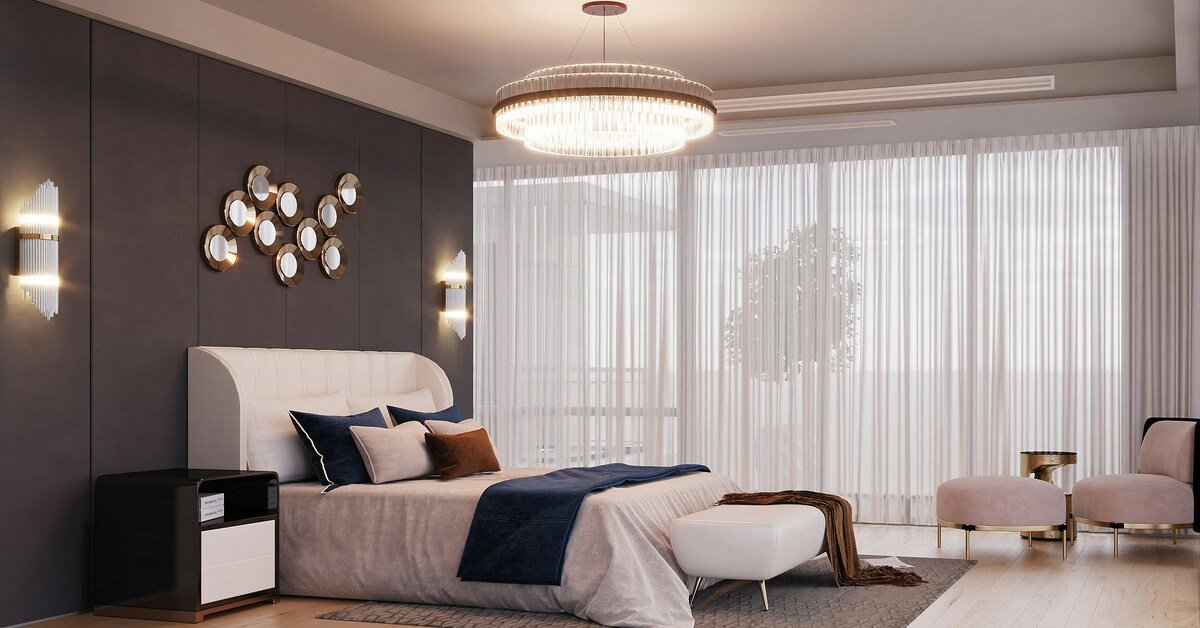
Master bedroom interior design goes far beyond picking nice furniture and matching colors. The most intimate environment of your house is your master bedroom, where you begin and end every day in privacy. The sleep, mood, and wellbeing of this room are directly influenced by the quality of this room. Designing a master bedroom of extraordinary design is a matter that needs careful planning, a clear understanding of the design principles, and attention to the style and functionality.
This manual takes all the features of luxury master bedroom construction, from the fundamental planning of the layout to the most exquisite ornaments. You can use these ideas to create a room that reflects your style and has the functionality needed, whether you are working on a small master bedroom or doing a complete renovation of a large suite.
Understanding Master Bedroom Interior Design Fundamentals
What Makes Master Bedroom Interior Design Unique
Designing a master bedroom requires more than just selecting furniture. It should serve as a personal retreat. According to interior design experts at Architectural Digest, a well planned master bedroom incorporates multiple zones, such as a dressing area, a reading nook, or a personal sitting space. Prioritizing both comfort and functionality ensures the room supports relaxation, wellness, and daily routines.
The ideal masters are concerned with three fundamental components, which include comfort, privacy, and personal expression. Your master bedroom must be a true reflection of what you really like, unlike a guest room or children’s room. This is your chance to explore styles that truly resonate with you, whether that means a minimalist look or a richly layered, elegant design.
Current Design Styles and Approaches
Modern master bedroom design in 2025 follows a few distinct aesthetic paths. Contemporary rooms favor clean lines, neutral palettes, and thoughtfully curated decor. Scandinavian influences still stay in the bedroom design with the focus on natural materials, soft surfaces, and natural light.
The Japandi style blends Japanese minimalism with Scandinavian warmth. It puts quality above quantity with the use of organic forms, natural surfaces of wood, and a limited color scheme that will encourage the feeling of calmness.
Classic design ideas never really disappear. Traditional rooms with upholstered headboards, symmetrical layouts, and refined finishes still appeal to those who love timeless sophistication. The key is to mix these classic elements with modern touches so the room doesn’t feel dated.
Master Bedroom Layout Ideas and Space Planning
Strategic Spatial Planning
The smart space planning is the beginning of a good master bedroom design. The size of your room and traffic patterns are to be analyzed before selecting furniture or paint. A good design allows easy movement while making smart use of the available space.
Start with the focal point of the room, the bed. Place it where it looks naturally balanced and does not block windows or restrict movement. Most layouts have the bed facing the door, but not directly facing it, to give the layout a warm, yet intimate feeling.
Planning is more essential when dealing with small rooms. Tall wardrobes and wall-mounted storage should be used on the vertical space. Look at those pieces that can be used for other purposes, like a bed with drawers built into it or an ottoman which can serve as a seat and a place to store items.
Furniture Placement and Proportion
Furniture should always match the scale of the room. Oversized pieces overwhelm small spaces, while very small furniture feels lost in larger rooms. Measure accurately and choose furniture that matches the scale.
Rooms with a size of 12×14 feet and above should be furnished with a king-size bed. A queen is small enough and has ample bedroom space. Provide ample space on both sides of the bed, at least 24-30 inches, so that there is free movement.
Nightstands should sit at or slightly below mattress height. Matching pairs create visual balance and symmetry, a core principle that brings calm. This is because when used selectively, mixing styles can bring character to the materials used together with complementary materials.
Creating Functional Zones
There are separate zones in the luxury bedrooms. The bedroom is a real stress-free area with a comfortable seating area. Place accent chairs near a window for a reading corner or a chaise lounge at the bed’s foot for a touch of elegance.
If space allows, add a small vanity or dresser to define a grooming zone separate from sleep. The walk-in closets are built in such a way that they are not just a storage facility but are also incorporated into the entire bedroom experience.
Master Bedroom Color Schemes and Palette Selection
Choosing the Right Colors
Color choices have a strong impact on how a bedroom feels and functions. The palettes in master bedrooms should be relaxing and also reflect your taste. In 2025, the trend has moved from cool grays to warm, earth‑tinted neutrals.
Neutral shades beige, taupe, warm gray, soft white create versatile bases that never feel dated. Also, they turn rooms into bigger and more spacious ones, and they allow you to stack accents using bedding, art, and accessories.
For more color, choose soothing hues like soft blues, sage greens, or dusty pinks. These tones do not irritate with their noise. A deeper jewel tone emerald, sapphire adds sophistication when used on an accent wall or in textiles.
Working with Color Temperature
Warm colors such as terracotta, cocoa brown, and warm beige create cozy, inviting spaces. Blue, green, and purple are cool colors, which facilitate rest and calmness.
Warm and cool colors are used in many successful projects. A cool gray wall can be warmed by wooden furniture, brass fixtures, and warm white lighting. This balanced mix keeps the room from feeling too stark or too heavy.
The best color palette to use in a master bedroom is typically a neutral color dominant, a supportive hue, and a light accent. Such a mix of three colors does not make the room chaotic.
Color Drenching and Monochromatic Schemes
Color drenching is a rising trend where walls, ceiling, and trim match in one shade. The effect is a cocoon-like enveloping, non-overwhelming touch that is sophisticated.
Monochromatic schemes use different shades and tints of a single color. A blue room with its light and dark blue, which is all tonal variation, makes this room appear three-dimensional. This method works especially well in minimalist master bedrooms.
Master Bedroom Lighting Design
Layered Lighting Strategy
Master bedroom lighting should include ambient, task, and accent lighting. Together, these layers create the right mood while supporting everyday activities.
The room has ambient lights that provide the room with general brightness. Employ central ceiling light, recessed lights, or a combination. Use warm-white light (2700K-3000K) rather than cool white; warm light helps one relax.
Task lights are used to serve tasks. Bedside lamps or wall sconces provide reading light without flooding the room. A table lamp on a dresser helps with grooming. With a sitting area, there is a clear reading corner indicated by a floor lamp.
The accent lights are dramatic and deep. LED strips behind a headboard give a soft glow. Uplighting is used to illuminate walls or buildings. Picture lights are concentrated on the artwork. The combination of these layers creates an advanced hotel-like atmosphere.
Modern Lighting Solutions
By 2025, there will be luxury bedroom lighting that is a combination of both appearance and technology. Statement pendants next to the bed will replace basic nightstand lamps. They empty the space and provide the sculptural effect.
Smart lights will allow you to vary brightness and color over the phone or by voice. Circadian lighting shifts with the day, offering bright, cool light in the morning and warm, dimmer light by evening.
Dimmable lights are necessary. The moods of all activities are created by adjusting brightness, including refreshing mornings and soothing evenings. Place switches or select bulbs that would dim.
Natural Light Optimization
Natural light plays a major role in both the appearance of your master bedroom and your overall health. Maximize it with window treatments that let you control light all day.
Sheer curtains soften harsh sunlight while keeping privacy. Add blackout curtains or lined drapes for full control when needed. This combination allows the ability to customize light to any time of year or day.
Install mirrors to reflect natural light further in the space. When a large mirror is facing a small window, the perceived light increases. But do not use mirrors that see into the bed, that is uncomfortable.
Master Bedroom Furniture Design and Selection
Essential Furniture Pieces
A good master bedroom starts with core pieces: a bed frame and headboard that set the style and become the focal point. Choose a design that is according to your taste and provides comfort and support.
Upholstered headboards bring softness, ideal for reading. Wooden headboards are very natural and can fit within numerous styles. Tufted or channel boards bring texture and visual interest. 2025 trends favor statement headboards unique shapes, rich materials, bold fabrics.
Nightstands should hold your essentials, lamp, book, and personal items, and include at least one drawer for storage. Floating nightstands save floor space while staying functional, especially in small rooms.
A dresser or chest of drawers is vital for clothes. Set it in a way that it can be used as a hairdressing area, maybe with a mirror over it. The room is united with matching pieces, but a variety in the wood tones or styles contributes to the personality without being overly coordinated.
Storage Solutions and Organization
Wardrobes do not limit storage. Inbuilt closets are less bulky and appear smooth. The custom cabinets are custom to fit in every inch.
The extreme luxury is walk-in closets. They maintain the bedroom, with the right type of shelves, hanging spaces, and drawers. Add good lighting and possibly a little seat, should there be space.
Storage beds with built-in drawers work well in smaller spaces. Ottoman beds that lift from the top offer even more hidden storage without adding visual clutter. These ingenious designs maintain a tidy appearance but conceal a lot of equipment.
Seating and Additional Furniture
The addition of additional seating makes the bedroom a suite. A window bench provides a comfortable place to take a cup of coffee or meditate. Coupled with comfortable clothes and cushions, it is a favorite escape.
A chair or two sitting in a corner or next to a window indicate a specific sitting place. Select comfortable chairs that help support the back. In 2025, curved and rounded shapes are trendy boucle chairs and quilted velvet add texture and comfort.
For larger rooms, consider a small sofa or chaise lounge to create a separate relaxation zone. Complete the space with a coffee or side table to make the reading, chats, or simply relaxing.
Wall Design Ideas and Treatments
Master bedroom wall design ideas span from simple paint to complex textured treatments. The appearance that you use will influence the appearance of the room and its maintenance level.
Bedrooms should have matte or eggshell paint finishing. These non-glossy finishes conceal the defects more than more glossy finishes. They also have a soft and classy appearance. Matte paint does not reflect light, but absorbs it, which makes the room less tense.
Painting techniques are textured without a pattern. Venetian plaster makes a subtle, organic texture that feels deep. Limewash paint gives a soft, chalky finish with natural variation. These home-made treatments give walls a personalized and luxurious look.
It is still popular to use an accent wall in the master bedroom. Use the wall behind the bed as your accent wall to make the greatest impact. You can use darker paint, wallpaper, wood paneling, or fabric to make this focal point. The trick is to bring it so that it will not overload these spaces.
Wallpaper and Wall Coverings
Wallpaper has gained popularity back to the bedroom design. Contemporary designs range from delicate textures to very strong patterns, and they provide a choice of all designs.
Neutral textured wallpaper is not very patterned but still interesting. It works well to create depth in a contemporary master bedroom. Grasscloth, linen‑textured, and embossed geometric patterns provide gentle visual appeal.
In case you require even more drama, statement wallpaper makes a bedroom look different. There is a direct impact of big florals, picturesque murals, or geometric statements. By 2025, a lot of people are putting up wallpaper on whole rooms, such as ceilings, to build whole cocoon-like environments.
Removable wallpaper is a pliable option for renters or people who prefer to frequently switch the decor. Peel-and-stick products have become better, and they are currently providing advanced designs that can be used in luxury interiors.
Paneling and Architectural Details
Wall panels provide interest and texture. Board and batten creates vertical lines that make ceilings look higher. Wainscoting gives traditional charm and protects walls. Shiplap adds a farmhouse or coastal feel.
Modern panel designs go beyond classic styles. Geometric panels give a contemporary look. Sculptural depth is provided by three dimensional panels. They are especially effective behind the bed and create a sleeping area, and create texture.
Walls are made simple and molded, and trimmed. Crown molding softens the transition between wall and ceiling. Chair rails break up tall walls. Picture molding adds visual interest at eye level. Coat the trim with a contrasting color and paint a subtle one with the same.
Ceiling Design for Master Bedroom
Ceiling as the Fifth Wall
The design of ceilings is an element that is not given much attention, but has a potent impact on the general ambiance of the room. Treating the ceiling as the fifth wall opens creative possibilities beyond plain white paint.
False ceilings create architectural interest and hide structural elements or wiring. Tray ceilings add dimension and visual height. Coffered ceilings bring a touch of tradition. Vaulted or cathedral ceilings create dramatic volume in rooms with enough height.
A ceiling with paintings can be bold. The colors of the walls are soft and run upwards, extending the wall color in an enveloping manner. A darker ceiling gives the sense of intimacy and coziness, especially in high rooms. Metal paint or wallpaper reflects light and provides a little glamour.
Lighting Integration
Recessed lighting in ceilings provides clean, modern ambient light without clutter. Place lights in a prudent manner to create no extreme shadows but to provide a uniform light. The dimming options are necessary to form various moods.
Chandeliers or pendant lights serve as sculptural centerpieces. An enormous chandelier hanging over the bed is very striking. Ensure there’s enough clearance and choose modern styles for contemporary spaces or crystal for classic interiors.
Cove lighting hidden in ceiling details creates a soft, indirect glow. LED strips installed in recesses or behind crown molding produce ambient light that makes ceilings seem to float. This method brings in the luxury and sophistication in the bedroom.
Texture and Material Options
The beams that are exposed add personality to the area, including structural beams or ornamental features. Ceilings that are plain are warmed and textured with wood beams. Painting them to suit the ceiling creates minor interest or gives them a contrasting color to make it dramatic.
Acoustic panels improve sound quality while adding texture. They come in handy, particularly in bedrooms where the floor is hard or other soft furnishings are limited. Modern acoustic panels come in attractive designs that serve both aesthetic and functional purposes.
Romantic and flowing effects are produced by fabric that is hung over ceilings. This is effective on canopy beds where the bed is covered with the fabric that is attached to the ceiling structure and runs around the bed. Lightweight fabrics screen the light very well, whereas heavyweight fabrics add theatricality.
Master Bedroom Flooring Ideas
Flooring Material Selection
Choosing flooring for a master bedroom balances look, comfort, durability, and maintenance. The type of floor you choose determines the acoustics, temperature, and overall feel.
Hardwood flooring remains a premium choice for luxury bedrooms. It provides natural warmth, beauty, and long life. Popular species are oak, maple, and walnut. Wide‑plank flooring feels contemporary, while narrow strips suit traditional spaces.
Engineered wood gives the look of hardwood with greater stability and often lower cost. It has better resistance to changes in humidity as compared to solid wood and thus can be used in a wide range of climates. High‑quality engineered products feel indistinguishable from solid hardwood.
Luxury vinyl plank flooring has evolved to mimic wood or stone convincingly. It is waterproof, comfortable to wear, and easy to manage. Realistic textures and variations have been introduced to high-end vinyl and compete with natural materials.
Carpet and Soft Flooring
Carpet gives the ultimate comfort to the feet and is good in the bedroom, where one walks without shoes. Plush carpet is luxurious and provides great acoustic insulation and absorption.
Carpet colors are neutral and can be accommodated by the changes in the designs. Beige, gray, and taupe serve as versatile bases. Carpets are either textured or patterned, without distracting from other design features.
For fans of hard flooring with soft touches, area rugs provide the best of both worlds. Put a huge carpet beneath and around the bed, extending at least 18 to 24 inches on each side and foot. This makes a cushion for your feet in the morning.
Material Layering
Coating floors with different materials creates space patterns and demarcations. Use hardwood in the main bedroom and tile in the ensuite bathroom. A large area rug over hardwood creates a sleeping zone inside an open‑plan master suite.
The sensorial experience can be added by the texture and warmth of the natural materials. There is organic beauty in following the grain patterns of wooden flooring. Natural‑fiber rugs like jute, sisal, or wool add tactile interest and eco‑friendly appeal.
Underfloor heating turns cold mornings into comfortable ones. Radiant heating works best under tile or stone, but can be installed under most flooring types if the system is right. This unseen upgrade actually enhances comfort in the master bedrooms.
Bedding and Textiles
Selecting Quality Bedding
Select bedding; you sleep one-third of your life. Comfort and looks are worth the investment in good bedding.
Opt for natural‑fiber sheets such as cotton, linen, or bamboo for breathability and softness. Thread count matters, but very high counts above 600 often make the sheets heavier and less breathable. A count between 300 and 500 usually gives the best balance.
Matted bedding is visually rich and versatile. Use quality fitted and flat sheets. Next, a duvet or comforter, a light blanket, or a coverlet. Add ornamental pillows and throws. This gives you the ability to fine tune the seasons and temperatures.
White linen creates a hotel appearance and demonstrates a high level of cleanliness. Neutral colors like gray, beige, or soft blue offer similar sophistication with easier maintenance. Combine textures in your desired color palette to give it a variation.
Window Treatments
The bedroom look is completed with curtains and drapes, which also play important roles in keeping the light under control and giving the room privacy as well as insulating the room against extreme temperatures and softening the hard lines of architecture.
Draperies, floor to ceiling, provide the effect of a higher room and make it look better. The curtain rods are hung near the top of the window frame, not at the top of the window, but on the wall it is stretched to.
Maximum flexibility is provided by layered treatments. Sheer curtains filter daylight while maintaining privacy. Blackout curtains or liners give complete darkness for quality sleep. Both are to be combined on a double-rod system.
The nature of the room is determined by the fabric used. Linen drapes bring casual sophistication. Velvet curtains provide luxury and excellent light blocking. Silk or silk‑look fabrics create formal elegance. Select materials that match your bedding and upholstery to make them coordinate.
Pillows and Cushions
Decorative pillows transform bedding from plain to styled, but balance is important. There are too many pillows, and they are tedious to take out and change day by day.
A classic layout includes sleeping pillows, Euro shams, standard shams, and two to three accent pillows in complementary colors or patterns. Different sizes and shapes in visual interest. Combine solids with designs, do not combine across colors.
Seating is enhanced with throw pillows that make them comfortable and stylish. Select materials which match with bedding but not exactly. Textured fabrics velvet, boucle, or linen, add a tactile dimension to smooth upholstery.
Creating Ambiance and Atmosphere
Symmetry and Balance
Symmetry creates visual calm and psychological comfort. This principle is quite ancient, and it is mandatory in the design of the master bedroom as it facilitates ease.
Matching nightstands with identical lamps instantly creates symmetry. The items don’t have to match exactly, just share a similar visual weight. Two similar lamps of the same size and style can be used, provided that they have the same colors or materials.
Artwork symmetry involves hanging matching pieces or photographs on either side of the bed, centered over the nightstands. Alternatively, a single large piece centered above the headboard creates a balanced focus. Do not have too much off-center dependency unless this is in a planned, unbalanced gallery wall.
Proportion and Scale
Understanding proportion prevents common design mistakes. The presence of an oversized work of art over a dainty headboard is not right, and neither is a small lamp placed on a giant nightstand. Each element should relate proportionally to adjacent pieces.
The headboard must take up approximately two-thirds of the bed width. The bed size is 76 inches to 80 inches by 38 inches high headboard paired with a king-size bed. Artwork above the headboard should span 50–75 percent of the headboard width for proper proportion.
Ceiling height influences furniture scale. High ceilings are used to install bulky furniture without killing the room. Reduced ceilings are more suitable with reduced bed and furniture heights. Tall headboards or floor-to-ceiling drapes, which are vertically oriented, provide a perceived height to rooms of conventional ceiling height.
Personalization and Character
Luxury bedroom interior design involves the introduction of personal details which are representative of your life and interests. Hang significant art, tourist souvenirs or family pictures. Such products make a planned room a retreat.
Books on nightstands and shelves add intellectual character and provide readily available reading material. Stack coffee‑table books on an ottoman or dresser. Select the books that have appealing covers or spines that match the color scheme of your design.
Plants or fresh flowers inject life and natural beauty in the space. Organic elements are still added even to low-maintenance plants such as succulents or snake plants. A single elegant arrangement on a dresser or nightstand refreshes the room’s energy.
Luxury Bedroom Interior Ideas and Upgrades
Hotel‑Inspired Luxury
The concept of luxury bedrooms is usually inspired by luxury hotels. These spaces build up instant perceptions of virtue and coziness in detail.
Make good purchases of high quality mattresses and pillows. Health and wellbeing are directly affected by quality sleep, and that is why it is the most valuable luxury upgrade. Mattresses of the highest quality by well-known manufacturers are more comfortable and durable.
Several pillows of different degrees of hardness permit individual comfort. A matching of four or six pillows is usually given by the hotels. Although some of them are too expensive to use on a daily basis, the existence of alternatives gives everyone the chance of getting what they consider to be the perfect sleeping support.
Sitting space takes the sleeping to an advanced level. Even a small chair and a side table leave you with a place to have your morning coffee or read in the evening without having to remain in bed. This distinction between the sleeping and the waking activities enhances sleep hygiene.
High-End Materials and Finishes
Marble flooring or accents introduce timeless luxury. While full marble floors may seem impractical in bedrooms, marble nightstand tops, dresser surfaces, or bathroom integration add refined touches.
There is commitment to quality and customization of furniture in the custom cabinetry and built in wardrobes. These enduring products make the most out of space and produce smooth and luxurious appearances. Collaborate with qualified artisans to have an ideal fit and finish.
Selecting premium materials like brass fixtures, leather accents, and natural stone adds layered luxury. These materials form beautiful patinas as time passes and they get better with age instead of wearing off.
Smart Bedroom Technology
Modern luxury bedrooms blend technology thoughtfully. Smart lighting changes automatically with the time of day. The shades can be opened with voice commands with the help of motorized window shades that open when the alarm rings or close in case of privacy.
Climate control systems keep the room at the ideal temperature. Smart thermostats are able to learn and auto-adjust what you like. Remote control ceiling fans do not have bedside switches.
Built-in sound systems allow you to listen to music or white noise without a full view of the speakers. In-ceiling or in-wall speakers do not make the space appear untidy. Physical controls are done away with by voice controlled systems.
Small Master Bedroom Interior Design
Maximizing Limited Space
The design of a small master bedroom requires innovative ideas that would make the room serviceable and trendy. Proper planning will expand small areas and make them bigger and more comfortable.
Light colors increase the perceived space. Have walls, ceilings, and trim coming together in tones of light to blur boundaries so as to achieve a smooth flow. This gives the room the impression of increased size.
Mirrors reflect light and make it appear three-dimensional. Install a huge mirror facing a window to promote natural light in the room. The use of mirrored closet doors can be used with duality as well as to increase perceived space.
Multi-purpose furniture does not occupy floor space. A storage bed eliminates the need for a dresser. Nightstands with shelves replace bedside tables and bookcases. Lighting mounted on the wall does not occupy the space on nightstands.
Furniture Selection for Small Spaces
Scale down furniture proportionally. In small rooms, a king is not as suitable as a queen-size bed. Ceilings seem higher because of low-profile beds and furniture, and are enhanced in sight lines.
The open space is made by floating furniture. Floating nightstands and wall‑mounted shelving add functionality while improving the sense of spaciousness. This also facilitates ease in cleaning.
Open furniture is light. The tables and chairs are made of acrylic or glass and are functional without obstructing light or scenery. The smaller master bedrooms are good at placing these pieces.
Visual Expansion Techniques
Vertical storage takes the use of wall height, not floor space. High-rise wardrobes to the ceiling are the maximized type of wardrobes. Items that are not deep are stored in shelves that are open above the bed or along the walls.
The continuity of the visual is a result of consistent flooring in adjoining spaces. When your bedroom leads to a bathroom or walk-in closet, the flooring ought to be similar to achieve the effect of making the room look bigger.
Small spaces are not cluttered with minimal pattern and visual clutter. Use solid colors or textures. Pattern of reserve of one or two accent elements as opposed to a mixture of many.
Common Master Bedroom Interior Design Mistakes to Avoid
Layout and Planning Errors
Placing all furniture against the walls often creates unused space in the center of the room and makes the layout feel awkward. When there is the opportunity, float the bed and establish space between the walls, and build purposeful unoccupied space.
Heavy, dark window treatments block natural light and make rooms feel smaller and gloomier. In case of a blackout, which is necessary to get sleep, install the systems that are fully open in the daytime.
Poor lighting planning results in poorly lit rooms or glare lights. Lighting plans should not be an afterthought. It should be planned during the design stage. Have numerous sources of light at varying heights to be layered adequately.
Furniture and Scale Mistakes
Furniture that is too large causes crowding in the room and limits movement. Measure carefully and consider furniture proportions relative to the room size before purchasing.
Identifying every piece on a one-on-one basis produces the catalogue appearance. Blend woody hues, mix new with old, or a little change of style to create a lived-in effect.
Neglecting bedside tables or choosing tables that are too small causes daily inconvenience. Ensure nightstands fit lamps, books, phones, and glasses comfortably. Having at least one drawer with the things you want but not in sight is important.
Design and Styling Errors
Excessive use of accessories, patterns, and colors will cause visual chaos and make one unable to relax. Eliminate prolifically, only those that you love or really use. Empty space promotes calm.
One of the mistakes is to hang works of art too high. Art should be centered at eye level, about 57 to 60 inches from the floor to the artwork’s center. Spacing between the frame bottom and the top of furniture should be 6-8 inches.
When personal comfort is not given much attention in favor of design trends, the result is a design space that is appealing in pictures but not effective in supporting one in everyday life. You should put your true needs and preferences higher than the trendy beauty, which would not fit your lifestyle.
Master Bedroom Interior Design Cost Considerations
Budget Planning
Prices can differ significantly depending on the scale, the material, and professional recruitment. Establish an achievable budget in advance and spend money on priorities.
A basic makeover might cost $3,000 to $8,000, covering paint, new bedding, window treatments, lighting updates, and accessories. This tier is concerned with changes that are cosmetic and non-structural.
Mid-range renovations can be between $10000 and $25000, with possible upgrade of lighting fittings, custom made inbuilt wardrobes, good quality furniture, and professional design service.
The projects that are luxury may vary between $30,000 to $100,000 and above, with the use of high quality material, custom furniture, architectural modifications, advanced lighting systems, climate systems, and other comprehensive professional services.
Where to Invest and Where to Save
Buy things that you need every day, and those that you need in the future that you can hardly replace. Comfortable mattresses, long-lasting flooring, and built-in storage are an investment worth more due to durability and daily impressions.
Window treatments warrant investment for proper fit, quality materials, and smooth mechanisms. Curtains and good blinds that are custom-made are longer-lasting and enhance the general look.
Discount on items that are easily replaceable, such as bedding, ornamental pillows, and accessories. These are washed up comparatively cheaply and can be evolved in terms of style without undergoing significant renovation. Mid-range products are usually of great value but at no premium prices.
Professional Design Services
An interior designer costs money in the short term, but in many cases, it saves in the long term by enhancing planning, preventing errors, and securing trade discounts. They are also well versed in avoiding costly errors.
The structures of design services are different. Certain designers also give their rates on per hour basis of between 100-300 dollars. Some charge a fixed price of the overall project. Nevertheless, others will provide an initial consultation that is charged a fixed amount in order to implement their recommendations on your own.
In interior design services, online services offer a cheaper alternative. Most of them charge between 300 and 1500 dollars per room and provide design and shopping lists and styling advice that you can carry out independently.
Master Bedroom Interior Design Trends for 2025
Material and Texture Trends
The trends of the 2025 master bedroom are dominated by textured fabrics. Boucle, with its looped, nubby texture, appears on upholstered beds, chairs, and ottomans. It is a material that is not heavy-handed in terms of pattern or vivid colors.
Velvet remains popular, especially in rich jewel tones or soft neutrals. Velvet headboards, throw pillows, and curtains introduce luxury and sound‑absorbing qualities that enhance bedroom acoustics.
Jacquard fabrics, featuring woven patterns instead of prints, bring sophisticated texture. They bring a visual appeal yet still allow the delicate beauty befitting sleepy bedroom settings.
Design Philosophy Trends
Quiet luxury emphasizes quality materials, expert craftsmanship, and timeless design over obvious branding or flashy elements. This style appreciates delicate elegance and classicism.
Wellness‑focused design integrates health‑supporting elements such as air purifiers, circadian lighting systems, ergonomic furniture, and biophilic design features that incorporate nature, all contributing to wellbeing‑centered spaces.
Sustainable design selects sustainable materials, thinks about the long-term, and considers environmental concerns. The values-based approach is in line with vintage furniture, natural materials, and robust construction.
Color and Finish Trends
Warm earth tones have replaced cool grays as the neutral preference. Beiges, warm taupes, terracotta, and soft browns create cozy, grounded spaces, and these colors pair beautifully with natural wood tones.
The more intricate and deep colors are placed above the pure saturated ones. Dusty pink, sage green, and muted blues with gray undertones offer sophistication. These blurred colors are grown-up and pleasing.
Natural wood finish, particularly warm oak and walnut, is used instead of painted furniture. The natural variation and visible grain bring organic beauty, which brings interiors to nature.
Frequently Asked Questions About Master Bedroom Interior Design
What can be done to design a luxury master bedroom?
In order to come up with a luxury master bedroom, it is more about quality rather than quantity. Invest in a premium mattress and bedding, choose high‑end materials such as marble or hardwood, incorporate layered lighting with dimming options, and add custom elements like built‑in wardrobes or architectural details. Create a cohesive color palette with sophisticated neutrals, include a seating area if space permits, and pay attention to every detail from hardware to window treatments.
So what is the most appropriate color combination in a master bedroom?
The most suitable color scheme is a matter of taste and disposition. Trending mixes include warm beige with soft white trim, sage green with cream, dusty blue with warm gray, and terracotta with ivory. To be elegant and timeless, the base color should be neutral and enriched with different tones of the same palette, with one contrasting color used sparingly in things and accessories.
What is the best way to make a master bedroom fancy and not costly?
Bring luxe to your master bedroom without spending a ton of money on the room by concentrating on high-impact, low-cost modifications. Paint walls in sophisticated neutral colors, upgrade bedding to crisp white or high‑quality neutral sets, add layered lighting with affordable yet stylish fixtures, hang floor‑to‑ceiling curtains for drama, create an accent wall with paint or removable wallpaper, style with mirrors to add depth, declutter completely, and add fresh flowers or plants for natural elegance.
What are common master bedroom interior design mistakes?
The most common mistakes are inappropriate selection of furniture that cannot fit the room, improper lighting planning, placing all the furniture at the walls, excessive use of patterns and accessories, poor hanging of the paintings higher than the shelf, neglect of storage capacity, selection of the mattresses basing on prices and not on their comfort, using harsh-cool-white lighting and following trends without paying attention to individual preferences and practical needs.
How much does master bedroom interior design cost?
Costs vary widely. The simplest makeover involving cosmetics can cost between 3000 and 8000 dollars. New flooring, custom storage, and quality furniture are considered mid-range renovations that range between 10-25 thousand dollars. Luxury, complete redesigns with high‑end materials, custom furniture, and professional design services can exceed $50,000 to $100,000. Prices are based on the size of the rooms, the quality of the material, the degree of changes, and the geographical location.
How big is a master bedroom supposed to be?
An ideal master bedroom ranges from 200 to 350 square feet, typically 12 × 14 feet to 14 × 16 feet or larger. This accommodates a king or queen bed, nightstands, a dresser, and comfortable walking space. Luxury suites can be over 400 square feet, which can include a sitting area, a walk-in closet, and a larger layout. Even very small bedrooms as small as 10 to 12 feet can work with consideration of the furniture selection and spatial planning.
Conclusion
Master bedroom interior design is a balance between visual beauty and everyday comfort. The bedroom must be converted into your own style and in a way that helps to achieve quality sleep and day activities. The concepts and beliefs discussed in this guide are the basis of establishing a bedroom that will serve you over the coming years.
It is important to remember that the most effective master bedroom designs do not follow whatever is fashionable at the moment, but your actual needs and preferences. Use materials that last, design lighting that can adjust to different requirements, choose color which really relaxes, and position furniture not only aesthetically, but also for practical purposes.
Be it the design of a small master bedroom or a large luxury suite, careful planning and detailing make all the difference and help in making the bedrooms a personal haven. You should take time to think over every choice that you make, invest in what will have the greatest impact, and transform the place where you really want to be.
Your master bedroom is not just a place to sleep. It is your escape out of the world, a kind of personal chamber where you get to rejuvenate and restore. Plan it, make it thoughtful, and have a vision as to how you would like to feel walking into this most personal part of your home.