

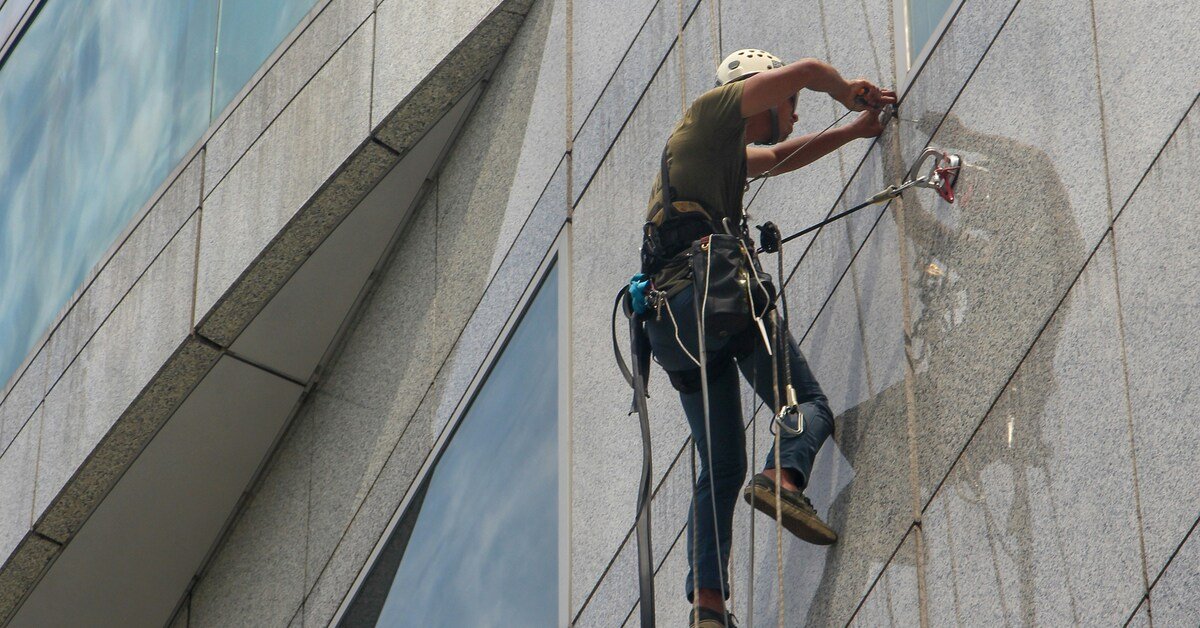
Commercial property maintenance goes far beyond appearance. It is a strategy to protect your investment, keep operations running smoothly, and meet rules that protect both assets and people. Whether you manage office buildings, retail spaces, industrial facilities, or multiple locations, a clear understanding of commercial property maintenance is essential for long-term success.
This guide explains what commercial property maintenance involves, why it is important, and how to put good maintenance services in place. Good maintenance cuts costs, keeps assets working longer, and keeps your infrastructure reliable across all of your commercial real estate.
What is Commercial Property Maintenance
Commercial property maintenance means regularly keeping up, fixing, and managing business buildings so they stay functional, safe, compliant, and valuable. It is more complex than residential upkeep because it involves larger systems, stricter rules, and higher daily demands.
Facilities maintenance covers a wide range of building systems and components. This includes HVAC, electrical, plumbing, roof, fire safety, elevators, escalators, security, cameras, access control, building shell, lights, drainage, air‑conditioning units, boilers, chillers, and generators.
Professional property maintenance also handles janitorial work, cleaning, landscaping, pest control, waste management, and outside building care. Each activity must be inspected, serviced on a regular schedule, and documented through proper maintenance records.
Commercial property work requires coordination among owners, facilities teams, contractors, and providers. An integrated approach makes sure every part gets attention through planned programs and quick fixes when problems hit.
Why Commercial Property Maintenance is Important
Understanding why maintenance matters helps owners and managers justify budgets and set clear priorities. The advantages are much more than acting looks.
Preserving Commercial Asset Value
Maintaining the property is a sure way of securing your investment. Buildings with clear maintenance records and well‑maintained systems fetch higher prices and attract quality tenants. Ignoring maintenance accelerates wear and leads to larger, more expensive repairs over time.
Ensuring Operational Continuity
Businesses need reliable building operations. If HVAC maintenance slips, spaces get uncomfortable, and productivity drops. Ignored electrical work leads to power hiccups that stop business functions. Preventive maintenance cuts unexpected downtime, saves tenants money, and keeps the manager’s reputation strong.
Meeting Compliance and Safety Requirements
Commercial sites must abide by health, safety, and building codes. Audits confirm that fire alarms, elevators, electrical systems, and other key parts meet current standards. Missing or incomplete inspections can result in fines, legal liability, or even temporary closure.
Minimizing Long-term Maintenance Costs
Investing in regular maintenance today helps prevent costly emergencies in the future. Studies show preventive work costs less than reactive repairs. Well‑planned maintenance extends equipment life and delays big replacement bills.
Enhancing Tenant Satisfaction and Retention
Tenants notice well‑maintained buildings. It creates a positive tenant experience through fast response times and reliable service, clean common areas, working systems, and professional crews. Satisfied tenants sign renewals, thus lowering vacancy expenses and minimizing turnover.
Supporting Sustainability and Energy Efficiency
Current maintenance strategies encompass eco-friendly and energy conservation. Regular HVAC, lights, and building control service cuts utility use. Energy audits find ways to lower costs while helping the planet.
Types of Commercial Property Maintenance
There are several approaches that are used in good commercial maintenance. Knowing them will enable managers to formulate sound plans.
Preventative Maintenance Programs
Preventive maintenance means servicing equipment before it fails. It includes scheduled checks, cleaning, adjustments, and part changes based on manufacturer or industry guidelines.
Examples of preventive work are changing HVAC filters quarterly, inspecting roofs yearly, testing fire alarms monthly, and lubricating elevator parts on schedule. These planned tasks follow written service lists that contractors follow systematically.
Reactive Maintenance Services
Reactive maintenance tackles surprise failures and urgent repairs. When a pipe leaks, the electrical board trips, or an HVAC stops, reactive work restores function quickly. Excessive reactive work usually indicates that the preventive maintenance plan is not effective.
Good maintenance teams balance emergency services while cutting reactive incidents through better planning. Reviewing repair orders helps identify recurring issues and develop long-term solutions.
Predictive Maintenance
Predictive maintenance uses sensors and data to spot potential failures before they happen. Sensors track equipment behavior and flag worries through condition monitoring. This approach allows maintenance to be performed only when data shows it is truly needed.
Building automation systems help with predictive maintenance by watching all building parameters. When data shows performance dropping, contractors can fix things before a full breakdown.
Planned Maintenance
Planned maintenance covers scheduled jobs beyond routine fixes. It embraces such big jobs as parking lot resurfacing, exterior paint, roof replacement, or a complete overhaul of large equipment. Planned work needs budgeting, contractor hiring, and timing to avoid tenant disruption.
Long‑term plans list major maintenance events over the building’s life. This supports reserve funds and ensures owners set aside enough money for expected needs.
Corrective Maintenance
Corrective maintenance addresses known issues that don’t need instant action. When inspections find small cracks, peeling paint, or aging parts, corrective schedules set repairs strategically.
This type groups similar jobs, buys better prices from contractors, and plans work during good weather or low occupancy.
Key Commercial Building Systems Requiring Maintenance
Commercial building maintenance covers many parts and systems. Each needs expert care, routine work, and rule compliance.
HVAC Systems and Climate Control
HVAC is one of the most critical and costly maintenance areas. It needs regular filter changes, coil cleaning, refrigerant checks, thermostat tuning, and motor work.
Air conditioning systems are serviced seasonally before peak cooling periods. Boilers and chillers require yearly checks and efficiency tests. Good HVAC care keeps tenants comfortable, saves on energy, and keeps air quality high for health and productivity.
Electrical Systems and Infrastructure
Electrical maintenance guards against fire, power outages, and safety risks. Periodic inspections are on wiring, breakers, emergency lights, and backups.
Lighting systems require regular bulb replacement, ballast servicing, and energy efficient upgrades. Load monitoring helps prevent system overloads and electrical failures.
Plumbing Systems and Water Management
Plumbing maintenance stops water damage, keeps sanitation, and guarantees reliable water. Leaks, clogs, and fixtures are quickly repaired before causing damage and inconvenience to tenants.
Drainage is cleaned in order to prevent backups. Water heaters are flushed, and safety valves are checked. Backflow devices are certified on an annual basis. Good plumbing checks water pressure and quality.
Roofing Systems and Building Envelope
Roof maintenance protects the whole building from water. Leaks are prevented by routine roof inspections that detect damaged membranes, bad flashing, clogged drains, and bad sealants.
The building shell walls, windows, doors, and weatherproofing need periodic checks. Proper exterior maintenance reduces moisture intrusion, air leaks, and energy loss that drive up operating costs.
Fire Safety Systems and Life Safety Equipment
Fire safety demands strict upkeep. Fire alarms get monthly tests and yearly reviews by certified techs. Sprinklers need quarterly checks, yearly flow tests, and five‑year pipe inspections.
Extinguishers receive annual services and pressure tests. Emergency lights and exit signs are checked monthly. Following these regulations protects occupants and satisfies insurers and regulatory authorities.
Elevators and Escalators
Elevators and escalators are complex machines that need special maintenance. Monthly service covers safety checks, lubrication, adjustments, and safety mechanism tests.
State rules require yearly inspections by certified inspectors. All services, repairs, and tests are logged. Proper care keeps rides safe, breaks down less, and meets accessibility standards.
Security Systems and Access Control
Security systems keep property and people safe. These are cameras and badge readers, alarms and perimeter barriers.
Cameras are confirmed to be operating, badges are providing or denying access as required, and alarms are warning the concerned individuals. Software patches contain bugs that get resolved, and systems are kept at par.
Landscaping and Grounds Maintenance
Landscaping maintains curb appeal and presents a professional site appearance. It has lawn mowing, seasonal planting, mulching, tree pruning, taking care of irrigation, and snow removal where necessary.
Parking lots, sidewalks, exterior lights, and signs are also maintained. Good grounds impress potential tenants and retain them.
Commercial Property Maintenance Checklist
An elaborate checklist prevents omissions. It lists maintenance tasks by system along with how often each task should be completed.
Daily Maintenance Tasks
Daily work covers basic cleaning: trash removal, restroom cleaning, floor wiping, and tidying common areas. Security checks confirm that access controls and cameras work. Quick visual inspections spot obvious problems that need immediate attention.
Weekly Maintenance Activities
Weekly chores include full cleaning of the whole building, lawn mowing, edging, inspecting high‑traffic spots for wear, and testing backup lights. Review maintenance logs and schedules to prep upcoming work.
Monthly Maintenance Requirements
Monthly tasks cover HVAC filter changes, fire alarm tests, elevator checks, plumbing leak checks, and exterior walk‑around inspections of the building shell and roof.
Review pest control reports and fix any issues. Inspect parking space striping, exterior lighting, and sidewalks for wear or damage. Test backup generators under load and examine fuel tanks.
Quarterly Maintenance Programs
Quarterly programs include deeper HVAC service—cleaning coils, checking refrigerant, and that kind of thing. Conduct extensive roof inspections, which indicate repairs required. Service building automation and control systems.
Test fire suppression systems, review maintenance logs, and compare contractor performance to service agreements. Conduct safety audits of high‑risk areas.
Annual Maintenance Obligations
Annually, you need certified fire alarm checks, elevator annual tests, backflow checks, extinguisher service, and comprehensive electrical inspections.
Schedule HVAC tune‑ups before heating and cooling seasons. Do roof membrane inspections and weatherproof checks. Check all the service contracts to renew or change. Revise long term maintenance plans and capital budgets.
Seasonal Property Maintenance Tips
Seasonal work shifts focus with the weather and building use.
Spring emphasizes fixing winter damage, starting irrigation, landscaping, and preparing cooling systems.
Summer priorities focus on top cooling performance, outdoor upkeep, and protecting against storms.
Fall tasks have heating prep, gutter cleaning, winterizing, and gearing up snow removal equipment.
Winter jobs involve plowing work, ice control, heating work, and freezing protection. There is a special consideration of weather-related systems required at each season.
Creating a Commercial Maintenance Management Strategy
Good maintenance management needs clear planning, defined steps, and commitment to best practices. A good action plan maintains the premises, saves money, and provides good, consistent care.
Conducting Property Condition Assessments
Start with thorough property inspections that record the current status of all systems and structures. Detect unfinished maintenance, code, and parts that are almost out. This baseline sets the planning and budgeting ground.
Professional inspections should include detailed reports, photos, cost estimates for needed repairs, and priority lists. These guides develop the maintenance strategy and support capital planning.
Establishing Maintenance Scheduling Systems
Develop detailed schedules that define when each maintenance task occurs, who is responsible, and what procedures are involved. It must fit in according to your business requirement, the time of the contractor, the change of season, as well as the budget.
Modern software can automate scheduling, send reminders, and track when jobs finish. Digital tools make work more consistent, keep people responsible, and cut paperwork.
Documenting Standard Operating Procedures
Provide proper maintenance procedures. Include step‑by‑step instructions for inspections, emergencies, working with contractors, and checking regulations. These procedures ensure consistent work quality regardless of who performs the task.
Add safety rules, needed tools, quality checks, and paperwork steps. Written instructions help the new workers learn faster.
Implementing Work Order Management
Establish an operational system to track every maintenance request. Each work order should record the issue, assigned personnel, scheduled time, required parts, labor hours, and cost, who carries it out, when it will occur, what parts to use, the number of hours of work, its cost, as well as the job being done.
A digital system provides easy information, makes people accountable, and provides valuable information on trends, contractor quality, and expenditure.
Building Contractor Relationships
Build ties with trustworthy maintenance contractors for every skill your property needs. Look at their level of skill, speed, cost, quality, and whether they were acting according to the agreement.
Keep a mix of contractors, so prices stay fair and you have backups. Go through their work frequently to ensure that quality remains good.
Creating Maintenance Budgets and Forecasts
To budget well, use past costs, future replacement needs, rule‑based duties, and a safety fund for surprises. Industry benchmarks often estimate annual maintenance costs at approximately two to three percent of a property’s replacement value, depending on building type and condition.
Project expenses over multiple years, including wear and tear of equipment, inflation, and scheduled improvements. This assists the owners in budgeting money and decision-making.
Compliance, Safety, and Regulatory Requirements
Commercial buildings have many rules that managers must know and follow all the time. Failure to go according to them may result in court proceedings, penalties, and risk to lives.
Understanding Health and Safety Regulations
Health and safety regulations set the required minimum for a commercial building. They include sufficient air circulation, clean washrooms, secure wiring, good lighting, and ease of access.
Make sure to check compliance regularly. Keep records of inspections, certificates, and fixes. Train staff on safety so you avoid risks and keep people safe.
Managing Statutory Maintenance Obligations
Statutory maintenance means legal inspections and service for specific building systems. Things like fire alarms, elevators, big tanks, and certain electrical parts need state‑certified checks at set times.
Keep detailed records that prove you did the inspections. Their absence can put a halt to you, impose a fine, or even ruin the insurance. Use calendar alerts to ensure inspections are completed on time, which gives a warning to managers on the checks that must be made.
Meeting Building Code Requirements
Building codes require certain standards for construction and upkeep. They cover the strength of the structure, fire protection, escape routes, wire safety, plumbing, and easy access for all.
You need to renovate or repair things, remember to do it as per the prevailing codes, and perhaps not only repair the part that is broken. Hire licensed contractors who know the codes to make sure you stay compliant.
Maintaining Insurance Requirements
A majority of insurance policies would require you to have a written maintenance plan and repair things as necessary. Insurers can visit the premises and decline to compensate in situations where it was damaged due to poor maintenance.
Read the policy and find out what it wants. Maintain a written maintenance log that will assist with any sort of insurance claim.
Implementing Risk Management Programs
Risk management looks for problems before they cause harm. Regular checks, quick repairs, clear signs, and clear emergency plans lower accident chances.
Also, watch contractors. Verify they have insurance, training, and meet safety rules. Ask for written safety plans for big projects.
Cost Management and Budgeting for Property Maintenance
Cost management is key. Being aware of the maintenance expenses and being in control makes it possible to maintain the property of high quality and low costs.
Industry estimates suggest that commercial maintenance costs typically range between two and two and a half dollars per square foot annually. Office properties typically average around 2.15 per square foot, while retail properties often cost less, and the heavy industry has a variation in accordance with the systems applied.
Compare your expenditure using these numbers. Suppose you were always out there, find out why.
Average Commercial Maintenance Costs
According to industry statistics, commercial work costs an average of two to two and one-half dollars per square foot annually. The offices are approximately 2.15, retail is lower, and heavy industry varies according to the systems in use.
Factors Affecting Maintenance Expenses
The age of a building matters. Older buildings need more frequent fixes and deeper work.
Complex buildings, high‑quality or old systems, and how they were built also affect spending.
Climate matters. Hot or wet locations accelerate the wear and require more robust programs.
Wear and tear are also created by the use of the space by the tenants.
The Balance Between Preventive and Reactive Spending
Preventive expenditure ought to be circa 70 percent and reactive 30 percent. By spending too much money on quick fixes, you will spend more money, have more failures, and replace things prematurely.
Keep an eye on that ratio to work out whether you need to pump up on your preventive work or not. Preventive costs are generally reduced by more prevention.
Lifecycle Costing and Capital Planning
Lifecycle costing looks at all costs over ownership: buying, running, fixing, and eventually replacing. It assists in defending good first time quality to reduce long term expenses.
Planning shows big upgrades you’ll need later, like roofs, HVAC, parking, and other projects. Budgeting prevents surprise bills and lets you time major work well.
Reducing Operating Costs Through Maintenance
Good maintenance decreases the running expenses, not only the repair money. Well kept HVAC saves on utilities. Prevention will increase the life of the equipment and postpone major replacement expenses.
Maintained properties will be appealing to tenants, reduce rates of vacancy, and enable you to charge higher rates. Repairing makes the property competitive and earns additional revenue.
In House vs Outsourced Property Maintenance
Decide if you’ll keep in‑house maintenance staff or use outside contractors. Each has pros and cons.
Benefits of In House Maintenance Teams
In-house personnel allow a rapid response to a crisis. Quality, priorities, and the schedule are under your control. Workers learn your building’s quirks over time.
They do regular tasks fast without having to book external assistance. On larger properties, outsourcing all maintenance can be more expensive than maintaining an in-house team.
Advantages of Outsourced Maintenance Services
Outsourcing provides you with specialization at part time expenses. Contractors bring tools, training, and certificates for tough systems.
The job quality and worker safety are the contractor’s responsibility. You are able to expand services at the required time and maintain the cost structure. Bidding keeps prices fair.
Hybrid Maintenance Approaches
A large number of companies combine internal personnel and external experts. There is daily, weekly, emergency, and tenant work done by local teams. Technical service, checks, and large projects are dealt with by specialists.
This combination is cost effective and work efficient. In‑house workers coordinate contractors, keep quality, and maintain local knowledge and tenant contact.
Decision Factors for Maintenance Structure
Staffing choices are influenced by the build size, complexity, and location. Commercial properties exceeding 100,000 square feet often justify a dedicated in-house maintenance staff. Even a large system may require experts.
The labor markets have an influence on the number of good in-house workers you are able to hire. How many local contractors can you find, and what they charge matters too. Compare total costs, remember benefits, training, and management overhead for in‑house crews.
Selecting Property Maintenance Contractors and Service Providers
When hiring outside maintenance, picking good contractors is vital. Rigorously check them to keep quality, cost, and reliability.
Evaluating Contractor Qualifications
Make sure contractors have the right licenses, certificates, and insurance. Ask for references from similar buildings. Look at safety records and training.
Assess contractor technical capabilities for your specific building systems. Assess their service area, reaction times, and emergency access. Get a feel of how many people they have on staff and how much they can do in the event of a big or urgent project.
Understanding Service Level Agreements
An agreement tells what the contractor must do, how fast, and what standards they must meet. A well-written agreement clearly defines tasks, response times for each priority level, and criteria for completed work.
Add rules for measuring performance, reporting, and consequences if goals aren’t reached. Strict contracts eliminate arguments and the sense of accountability.
Negotiating Maintenance Service Contracts
Preventive contracts are made on a long-term basis. Fixed rules on the frequency of their appearance, on the type of work they perform, which elements are to be incorporated, and the price.
Include a way to end the contract if performance is poor. Negotiate a better price for longer terms or if you bundle several buildings. Allow the contract to remain flexible in order to add or drop services.
Managing Contractor Performance
Use tools to rate contractors objectively. Monitor their speed in responding, quality of work delivered, levels of communication, and competitiveness of the price.
Conduct regular reviews to correct issues on time.
It is recommended that you keep all documents like invoices, reports, quality notes etc. in order to determine when you can renew or replace a contractor.
Building Long Term Partnerships
Good contractors become reliable partners. Long relations enable the parties to make processes tight and have faith in one another. Be fair with them, pay them on time, and communicate freely.
Plans for the share that impact their work. Consult people whom you can trust when engaging in major projects. Good relationships imply that they will assist and make good offers during emergencies and other additional tasks.
Common Commercial Maintenance Issues and Solutions
You know common maintenance issues that help you prevent them and carry them out quickly.
Deferred Maintenance Accumulation
Deferred maintenance means you postpone fixing things instead of addressing them quickly. Small delays are fine sometimes, but when many repairs stay out, the building deteriorates faster, and more problems add up, ending in emergencies.
Find out the building’s condition, focus on critical items, and make a realistic comeback plan. Make sure that there is a sufficient budget to ensure that the backlog is cleared, as well as to prevent new delays.
HVAC System Failures
HVAC problems upset tenants quickly. Problems: at least: refrigerant leakage, loss of compressor, contaminated coils wasting power, and glitches of the control system.
Prevent by changing filters regularly, doing spring and fall tune‑ups, and watching performance numbers. Use a building system that tells you when something is wrong before it fails.
Plumbing and Water Damage
Water leaks cost money fast. Principal causes of primary sources: old pipes, broken fixtures, roof leakages, and defective irrigation systems. Unnoticed leaks become mouldy and cause health issues as well as raise the price of repair.
Fix with regular plumbing checks, prompt leaks fix, and watch water bills for spikes. Fit leak detectors in threat areas.
Roof Deterioration and Leaks
Common roofing issues include standing water, membrane damage caused by weather or foot traffic, and failed flashing around the pipes, and obstructed drainage. Minor leakages may remain unnoticed and result in massive interior damage.
Check the roof’s infrastructure. Address minor issues immediately before water is the concern of ceilings, insulation, and items. Arrange to get a roof over its life so you will not get a panic job.
Electrical System Problems
Electrical issues create danger and stop work. Issues: tenant and new tenant equipment congested the circuits, old wiring, incorrect breakers, and insufficiency of power in the current day.
Check every now and then, change batteries early, monitor loads, and think ahead about increased power capacity before problems occur.
Parking Lot and Pavement Deterioration
Parking area should be addressed with cracks, potholes, deteriorated paint, and drainage. When ignored, pavement deteriorates faster, and full replacement costs far more than early repairs.
Use sealcoat every few years. Fill cracks early. Keep paint and signs clear. Budget for resurfacing or rebuilding based on pavement life.
Pest Control Challenges
Controlling pests at commercial premises would involve dealing with rodents, insects, and birds. Pests damage buildings, spread germs, and break health rules. Prevention is far more effective and less costly than dealing with a full infestation.
Solutions require regular pest control services, sealing entry points, proper waste management, and addressing moisture issues that attract pests. Report sightings of any pest to you as soon as possible.
Technology and Property Management Software Solutions
Modern commercial maintenance management leverages technology to improve efficiency, reduce costs, and enhance service quality. Understanding available tools helps property managers select appropriate solutions.
Computerized Maintenance Management Systems
Property management software platforms centralize maintenance operations. These systems manage work orders, track maintenance schedules, store vendor information, document maintenance logs, and generate performance reports.
Cloud based solutions allow access from anywhere, enabling remote property management and real time updates. It is built in to work with accounting systems, allowing invoice processing and budgeting.
Building Management Systems and Automation
Building management systems integrate control of HVAC systems, lighting systems, security systems, and other building operations. Automated controls optimize energy consumption, maintain comfort, and alert staff to equipment problems.
Advanced systems enable predictive maintenance through continuous equipment monitoring. Data analytics identify efficiency improvements and quantify savings from optimization efforts.
Mobile Applications for Field Staff
Mobile apps allow maintenance staff and contractors to receive work orders, access property information, document completed work with photos, and update status in real time. This is to replace the paper based systems and enhance communication.
Tenant facing apps enable maintenance request submission, track request status, and facilitate communication between tenants and property management. This transparency improves tenant satisfaction.
Internet of Things Sensors and Monitoring
IoT sensors monitor building conditions continuously. Applications include occupancy detection, temperature and humidity monitoring, water leak detection, and equipment performance tracking.
Real time warnings inform personnel of emerging issues before breakdowns take place. Historical data analysis identifies patterns, supports predictive maintenance, and documents compliance with environmental standards.
Maintenance Analytics and Reporting
Data analytics tools process maintenance information to identify trends, benchmark performance, and guide decisions. Analysis reveals high cost equipment warranting replacement, identifies recurring problems, and measures contractor performance.
Reporting capabilities generate compliance documentation, support budget requests, and demonstrate maintenance program effectiveness to ownership or regulatory authorities.
Frequently Asked Questions About Commercial Property Maintenance
What is commercial property maintenance?
Commercial property maintenance is the regular care and fixing of business buildings to keep them safe, working, and in compliance with rules. It includes plans to prevent problems, quick repairs when needed, inspections, and long‑term care of all systems.
How much does commercial building maintenance cost?
The annual costs average between 2 and 2.50 a square foot. Offices are in the range of 2.15, retail between 1.50 and 2. Building age, complexity, location, and service plan change the price.
What is the difference between facilities management and property maintenance?
Facilities management is the big picture: setting up spaces, hiring vendors, budgeting, and planning assets. Property maintenance is just the hands‑on work that keeps building systems running.
How often do commercial buildings need maintenance?
Daily: cleaning and security checks.
Weekly: janitorial services and landscaping.
Monthly: HVAC filters and system checks.
Quarterly: deeper equipment servicing.
Annual: inspections and full system servicing. Each system follows its own recommended service schedule.
What are commercial property maintenance responsibilities?
Owners must keep buildings safe, comply with rules, and work. Managers run maintenance programs, hire contractors, and get work done on time. Tenants keep their leased areas; owners fix the structure, common areas, and building systems.
What building systems require regular commercial maintenance?
Key systems: HVAC, electrical, plumbing, roof, fire safety, elevators, security, building envelope, lights, drainage, safety equipment. Each needs specific care.
Should I use in house staff or outsource property maintenance?
The decision depends on property size, system complexity, and budget. Major locations commonly employ their staff to do routine tasks and acquire outside consultants to do specialized tasks. Small sites use mostly outside contractors. A mix of staff and contractors is common.
What is preventative maintenance for commercial properties?
Preventive maintenance is scheduled inspections, clean‑ups, adjustments, and services before equipment fails. It adheres to the maker rules and industry standards and ensures equipment durability, reliability, and the prevention of unexpected events.
How do I choose commercial maintenance contractors?
Check that they have proper licenses, insurance, experience, skills, references from similar places, a safety record, a response time, and good prices. Read contracts, confirm certifications, and track their performance.
What are common commercial property maintenance mistakes to avoid?
Common mistakes: delaying needed work to save money, not budgeting for long‑term costs, skipping preventive care, not recording maintenance, hiring unqualified workers, ignoring rules, and reacting instead of preventing problems.
How does commercial maintenance affect property value?
Well maintained buildings sell higher, bring good tenants, get better rent, and sell more easily. Well kept records demonstrate that the owner is a caring person and reduce the concern of buyers. Maintenance leads to reduced pricing due to poor maintenance.
What is included in commercial property maintenance services?
Services include inspections, preventive work, emergency repairs, compliance checks, cleaning, landscaping, pest control, HVAC, electrical, plumbing, roof, elevator, fire systems, security, and outside building care.
Do I need maintenance management software for commercial properties?
Software boosts efficiency, accountability, and records for all sizes. It schedules, tracks work orders, manages vendors, documents rules, and shows performance. Small sites can manage without it, but digital tools give extra help.
What are the compliance requirements for commercial building maintenance?
Rules require fire safety systems, elevators, pressure vessels, and electrical gear to be kept in good shape. Buildings must hit health, safety, code, accessibility, environmental, and insurance rules. Regular audits and paperwork prove you follow the rules.
How do I create a commercial property maintenance plan?
Begin with a complete survey of the premises to discover present demands and future demand. Create a timetable of every system. Write standard steps, set up a work‑order system, pick reliable contractors, and set realistic budgets. Include preventive programs, rule duties, and capital plans for big replacements.
Conclusion
Effective commercial property maintenance represents far more than keeping buildings functional. It reflects a strategic approach to asset protection, risk reduction, and reliable building operations that protect investments while serving tenant needs.
Success requires understanding the full scope of commercial building maintenance, from daily janitorial services to complex building systems maintenance and long‑term planning. Property managers must balance preventive maintenance programs with responsive repairs, ensure compliance with regulatory requirements, and control costs without compromising quality.
Modern facilities maintenance leverages technology, employs qualified maintenance contractors, and follows industry best practices to achieve optimal results. Whether managing single properties or extensive commercial real estate portfolios, systematic maintenance management protects property value, ensures operational continuity, and creates environments where businesses thrive.
Implementing comprehensive commercial property maintenance programs demands commitment, resources, and expertise. The investment pays dividends through enhanced asset value, satisfied tenants, reduced operating costs, and protection against costly failures.
Property managers who prioritize maintenance excellence position their properties for sustained success in competitive commercial real estate markets.