

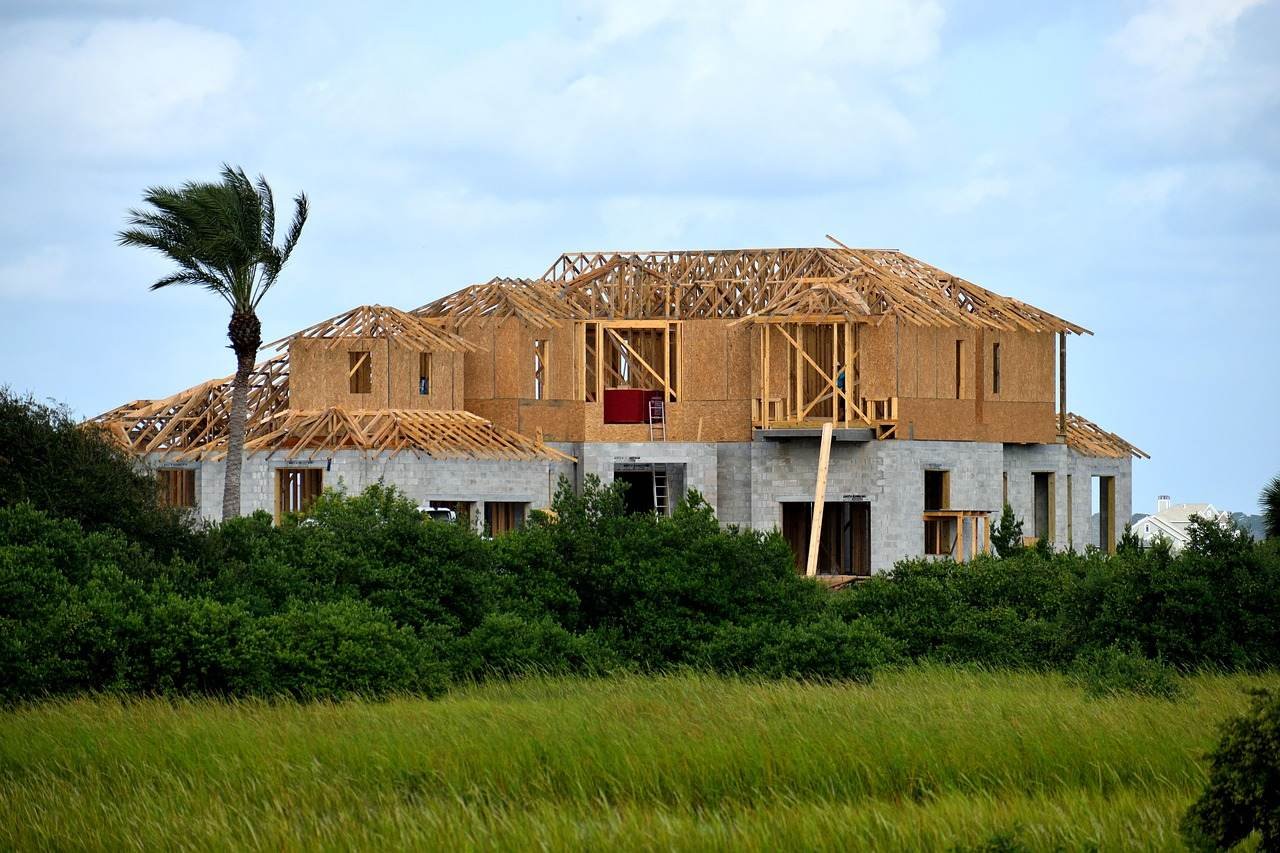
Are you considering spec home construction as your next venture in the residential building industry? Whether you’re an experienced custom builder exploring spec home building opportunities, a real estate investor researching spec homes for sale in growing markets, or a contractor searching for “spec home builders near me” to understand competitive positioning, this comprehensive guide delivers everything you need to succeed in America’s dynamic $71.8 billion spec home market.
Spec home construction represents one of the most financially rewarding yet operationally challenging paths in residential building. Unlike custom homes, where clients control every decision and provide financing, or production building, where massive corporations leverage extreme scale, spec builders must master the complete spectrum of real estate development from market analysis and land acquisition through construction management, financing a spec home, marketing execution, and profitable sales.
The advantages of spec homes for builders are compelling: complete design control eliminating client approval bottlenecks, faster construction timelines with the spec home construction timeline averaging just 5.4 months versus 14-20 months for custom homes, higher spec home profit margin of 20-32% compared to custom building’s 15-22%, and dual profit sources capturing both construction margins and property appreciation during building cycles. However, these rewards come with substantially higher capital requirements ($250,000-$500,000+ liquid capital), complete market risk absorption, and demands for sophisticated skills beyond traditional construction management.
What You’ll Discover in This Ultimate Guide
This definitive resource covering 2025-2026 market realities provides actionable insights across every critical aspect of spec home construction:
Complete Financial Analysis: Detailed regional breakdowns showing the average cost to build a spec home across all U.S. markets, from affordable Southeast regions at $415,000-$575,000 total project costs to expensive Pacific West coastal markets reaching $595,000-$850,000+. You’ll discover exactly where every dollar goes, including land acquisition, hard construction, permits, financing a spec home, carrying costs, commissions, and marketing expenses that most builders dangerously underestimate.
Proven Construction Strategies: Learn the best materials for spec homes, balancing cost, durability, and buyer appeal from fiber cement siding adding $8,000-$15,000 in appraised value to luxury vinyl plank flooring, revolutionizing spec home interior design, plus current spec home floor plans and spec house designs that sell quickly in today’s market with typical spec home features buyers expect.
Realistic Timeline Planning: Master the spec home construction timeline from land purchase to certificate of occupancy, understanding how experienced builders achieve 4.5-5 month construction periods through strategic material pre-purchasing, preferred subcontractor relationships, and systematic processes that minimize delays and carrying costs.
Smart Financing Solutions: Navigate financing a spec home with detailed guidance on construction loans at 9.25-11.75% interest rates, equity requirements of 20-30%, portfolio lender relationships, alternative financing including hard money and joint ventures, plus critical capital reserve strategies protecting against extended marketing periods.
Marketing Mastery: Discover exactly how to market a spec home and how to sell a spec home fast through professional photography ($400-$800), strategic staging ($2,500-$5,500), competitive pricing strategies, realtor relationships, and digital marketing, generating qualified buyer interest, including positioning spec homes for sale effectively.
Design Intelligence: Understand typical spec home features buyers expect in 2025-2026, proven spec home plans with demonstrated market acceptance, popular spec home interior design trends, including open concepts and home offices, plus spec home exterior ideas creating maximum curb appeal and buyer attraction with smart spec house designs.
Regulatory Navigation: Master building codes for spec homes across regions, permit timeline expectations ranging from 3-6 weeks in fast-track Texas jurisdictions to 12-24 months in coastal California, impact fee variations from $6,500 to $85,000+, and strategies for building positive relationships with building departments, ensuring smooth approvals.
Accurate Profitability Projections: Analyze realistic spec home profit margin expectations with 2025 data showing successful spec home building operations averaging 21.3% net margins, understanding the 14% project loss rate from market timing errors, and calculating true returns on invested capital across time rather than focusing solely on per-project margins.
Military Market Opportunities: Explore VA home loan new construction opportunities for builders in military markets, understanding zero-down-payment benefits for veterans, VA loan limits of $806,500-$1,209,750, property standards, and strategic positioning attracting this substantial buyer demographic interested in spec homes for sale near military installations.
Risk Management Framework: Implement proven mitigation strategies protecting against market downturns, extended marketing periods, construction cost overruns, design misjudgments, and financing challenges through adequate capital reserves, market selection discipline, diversification, and conservative underwriting, protecting your spec home building business.
Who This Guide Serves
This comprehensive resource benefits multiple audiences seeking spec home construction knowledge:
Experienced Custom Builders transitioning to spec home building who possess construction expertise but need guidance on market analysis, financing a spec home, risk management, pricing strategies, how to market a spec home, sales execution, and differentiating spec from custom building.
Real Estate Investors evaluating spec home construction as an investment strategy who require detailed financial analysis, including the average cost to build a spec home, spec home profit margin calculations, market selection criteria, capital requirements, and risk-reward profiles informing investment decisions.
General Contractors seeking to expand beyond subcontract work into building equity through spec development, who need systematic approaches to land acquisition, spec house designs selection, spec home plans refinement, financing relationships, and how to sell a spec home successfully.
Small Production Builders completing 5-15 homes annually who want to optimize operations, improve profitability, refine material selections using the best materials for spec homes, accelerate spec home construction timeline, and scale sustainably based on demonstrated success.
Real Estate Professionals, including agents and brokers working with spec home builders near me, who benefit from understanding construction economics, timeline expectations, financing structures, and strategic positioning, helping clients succeed with spec homes for sale.
Current Market Context 2025-2026
The American spec home construction market enters 2026 with compelling fundamentals supporting builder success in carefully selected growth markets. Housing inventory shortages persist across most metropolitan areas, with active listings running 18% below historical averages, creating sustained demand for quality move-in-ready spec homes for sale. Spec home completions reached 387,000 units in 2025, representing 6.3% growth despite elevated mortgage rates averaging 6.75-7.35%, demonstrating the segment’s resilience and buyer preference for completed homes over lengthy custom construction processes.
The demographic wave of millennials entering peak homebuying years (ages 30-44) creates sustained demand lasting throughout the 2020s. This massive generation of 72 million Americans increasingly prioritizes immediate move-in capability, modern open spec home floor plans, energy-efficient systems, contemporary spec home interior design and spec home exterior ideas, and low-maintenance typical spec home features that well-positioned spec homes deliver, while lacking time, expertise, or patience for 14-20 month custom construction journeys.
Regional opportunities vary dramatically, with Southeast, Texas, Mountain West, and Southwest markets offering particularly favorable construction economics affecting the average cost to build a spec home, strong job growth, positive migration patterns, reasonable regulatory environments with straightforward building codes for spec homes, and healthy absorption rates supporting profitable spec home building. Conversely, high-cost coastal California markets, certain Northeast metros, and oversupplied secondary markets present significant challenges requiring extreme caution or avoidance.
How to Use This Guide
This guide provides both comprehensive knowledge for newcomers and advanced strategies for experienced builders seeking optimization:
For First-Time Spec Builders: Read sequentially from beginning to end, absorbing fundamental concepts about spec home construction, the average cost to build a spec home, financing a spec home requirements, market selection criteria, and systematic processes before starting your first project. Pay particular attention to capital requirements, spec home profit margin realistic expectations, risk management, and conservative growth strategies protecting against common pitfalls that trap overconfident builders.
For Experienced Spec Builders: Navigate directly to sections addressing specific challenges or opportunities—best materials for spec homes optimization, financing a spec home alternatives, how to market a spec home strategies, regional cost analysis, spec home construction timeline acceleration, or advanced spec home profit margin improvement techniques refining existing operations.
For Investors and Partners: Focus on financial analysis sections including average cost to build a spec home breakdowns, spec home profit margin calculations, risk management frameworks, market selection criteria, spec home building profitability benchmarks, and understanding which spec home builders near me demonstrate sustainable business models.
Throughout this guide, you’ll find real 2025-2026 data, verified cost figures for the average cost to build a spec home, actual spec home profit margin statistics, current financing a spec home rates, regional building codes for spec homes, popular spec house designs, winning spec home plans, attractive spec home interior design and spec home exterior ideas trends, proven typical spec home features, effective how to market a spec home techniques, smart how to sell a spec home strategies, and market-specific insights enabling informed decisions based on facts rather than hopeful assumptions.
Every recommendation reflects practical experience from successful spec home building operations that’ve navigated challenges, survived market cycles, and built sustainable, profitable businesses. The advantages of spec homes as a business model remain substantial for builders who approach projects with adequate capital, market knowledge, construction expertise, business discipline, and genuine commitment to mastering skills beyond hammer-and-nail craftsmanship.
Success in spec home construction demands simultaneously excelling at real estate development, financial management including understanding the true average cost to build a spec home, marketing execution knowing how to market a spec home and how to sell a spec home, regulatory compliance with building codes for spec homes, and strategic business building challenging but achievable for those willing to invest the effort using proven spec home plans, quality best materials for spec homes, and attractive spec house designs featuring desirable typical spec home features.
The spec home construction opportunity remains substantial entering 2026, with strong demand for spec homes for sale, favorable demographics, inventory shortages, and proven paths to 20-32% spec home profit margin for disciplined builders. Whether you’re evaluating spec home builders near me for competitive intelligence or building your own spec home building operation, understanding current spec home construction timeline expectations, accurate average cost to build a spec home projections, smart financing a spec home strategies, and the true advantages of spec homes positions you for success.
Let’s begin building your spec home construction success story.
What Is Spec Home Construction: Complete Definition and Market Overview 2025-2026
Spec home construction represents a dynamic and profitable segment of America’s residential building industry where licensed builders and developers purchase land, design homes, complete construction, and market finished properties without pre-identified buyers. The term “spec” derives from “speculative,” indicating that builders speculate that market demand will generate profitable sales upon project completion. This business model contrasts sharply with custom home building, where specific clients dictate every design decision from inception, and production building, where large national corporations construct hundreds of identical homes in massive master-planned subdivisions.
In spec home construction, builders assume complete operational control over every project aspect, including architectural design selections, material specifications, floor plan layouts, finish quality levels, construction scheduling, subcontractor management, budget allocation, and ultimately all financial risk from land acquisition through final sale. The spec builder simultaneously acts as a real estate developer, general contractor, project manager, and merchant builder, making strategic decisions about geographic location, architectural styling, target buyer demographics, pricing strategies, and market timing that directly and profoundly impact project profitability.
The American spec home market generated approximately $71.8 billion in total revenue during 2025, representing roughly 29% of all new single-family home construction completed nationwide, according to data compiled by the National Association of Home Builders and U.S. Census Bureau housing statistics. This substantial market segment has demonstrated remarkable resilience throughout multiple economic cycles over the past two decades, primarily because well-positioned spec homes offer immediate move-in solutions for buyers who lack the time commitment, construction expertise, design confidence, or patience required to manage extended custom construction projects that typically consume 14-20 months from initial planning through final completion.
Industry data from NAHB builder surveys indicates spec home completions reached approximately 387,000 units during 2025, representing a 6.3% increase compared to 2024 completion levels and reflecting continued strong demand despite elevated mortgage interest rates averaging 6.75% to 7.35% for conventional 30-year fixed-rate mortgages throughout most of 2025. The spec home segment continues growing as housing inventory shortages persist across most American markets, with total active listings in December 2025 running 18% below historical averages for this time of year, creating sustained opportunities for builders delivering quality move-in-ready homes.
Understanding spec home construction means recognizing it occupies a critical strategic middle ground between highly customized one-off construction and massive-scale production building. Successful spec builders don’t construct completely identical cookie-cutter homes in enormous subdivisions containing 250+ identical units like national production builders DR Horton, Lennar, or Pulte. Nor do they execute completely unique architectural masterpieces for wealthy individual clients with unlimited budgets and 18-month timelines like high-end custom builders serving affluent markets.
Instead, thoughtful spec builders create carefully researched, market-driven homes that appeal to broad buyer demographics within specific price ranges while maintaining construction quality standards, incorporating genuinely desirable features that command premium pricing, and avoiding expensive custom elements that add costs without proportional market value increases. The most successful spec builders in 2025-2026 develop signature architectural styles and refine 4-8 proven floor plans that become recognizable personal brands within their target markets, building strong reputations for quality construction, smart design, and fair pricing that generate repeat referrals and word-of-mouth marketing, reducing customer acquisition costs.
This approach of strategic repetition with thoughtful minor customization across projects creates operational efficiency, predictable timelines, volume material discounts, and refined construction systems that drive sustainable profitability, differentiating successful long-term spec builders from those attempting one-off projects without systematic approaches. Builders who develop and perfect core floor plan portfolios, establish reliable subcontractor teams, negotiate favorable supplier relationships through volume commitments, and understand their markets deeply consistently outperform competitors trying to reinvent processes with every new project.
The spec home business model offers several compelling advantages, attracting experienced builders. First, complete design control eliminates the client approval bottlenecks, endless change orders, and emotional decision fatigue that plague custom construction, accelerating timelines by 25-35% and reducing stress substantially. Second, market-driven design focusing on broad appeal rather than individual preferences creates homes that typically sell faster than custom homes, which seek buyers who appreciate highly personalized features. Third, the ability to build multiple similar homes simultaneously or consecutively generates economies of scale in material purchasing, subcontractor scheduling, and construction management that improve profitability with each successive project. Fourth, successful spec projects generate both construction profit and potential property appreciation during building periods, creating dual profit sources in appreciating markets.
However, spec building also presents significant challenges and risks that prevent many capable custom builders from successfully transitioning. The capital requirements are substantially higher since builders must fund all land, construction, and carrying costs rather than receiving progressive client payments for financing projects. Market risk concentrates entirely on builders who face potential losses if properties don’t sell quickly, buyer preferences shift unexpectedly, or local markets soften during development cycles. Design mistakes, selecting unpopular floor plans, finishes, or locations can’t be corrected mid-project since no clients provide feedback, meaning builders must rely entirely on market research and experience to make decisions. Finally, successful spec building requires skills beyond construction management, including real estate market analysis, pricing strategy, property marketing, sales execution, and financial modeling that many construction-focused builders find challenging to master.
Spec Home vs Custom Home vs Production Home: Understanding Critical Distinctions 2025-2026
A comprehensive understanding of fundamental differences between spec homes, custom homes, and production homes helps builders, real estate investors, and prospective homebuyers make informed decisions aligned with their goals, financial resources, risk tolerance, timelines, and lifestyle preferences. These three residential construction approaches represent entirely different business models, risk profiles, client relationships, timeline expectations, quality standards, and profit structures that shape every aspect of building processes and outcomes.
Financial Structure and Risk Distribution
Custom Home Building Financial Model
Custom home building operates on straightforward client-funded models where homeowners provide all construction capital through owner-occupied construction loans from banks or credit unions, pay builders in progressive draws tied to completion milestones as work advances according to predetermined payment schedules, and assume most financial risk if they default mid-project, face job loss affecting payment ability, or request expensive change orders disrupting original budgets and timelines. Custom builders receive direct payment for all completed work plus negotiated profit margins typically ranging 15-22% depending on project complexity and regional market conditions, but rarely own properties or carry long-term financing risk beyond ensuring satisfactory contract completion meeting quality standards and building codes.
Owner-occupied construction loans in 2025-2026 carry interest rates ranging from 7.75% to 9.25% depending on borrower credit profiles, down payment amounts, and lender relationships. These loans typically require 10-20% down payments on total project costs, convert automatically to permanent mortgages upon completion, and feature interest-only payments during construction periods, reducing borrower carrying costs. The favorable financing terms, combined with borrowers’ strong emotional and financial commitment to their personal homes, create relatively low-risk environments for custom builders who face minimal default risk and receive regular payments throughout projects.
Spec Home Building Financial Model
Conversely, spec home construction demands that builders secure comprehensive financing covering all land acquisition costs, complete construction expenses, carrying costs during 6-9 month building and marketing periods, and absorb total market risk if property values decline during their development cycles, local markets soften unexpectedly, or finished homes don’t sell quickly upon completion. Builders must qualify for and maintain spec construction loans featuring substantially higher interest rates reflecting increased lender risk from properties lacking committed end buyers.
The 2025-2026 construction financing environment presents significant challenges for spec builders with typical construction loan rates ranging from 9.25% to 11.75% depending on borrower qualifications including credit scores, previous building experience, liquid capital reserves, and existing lender relationships. These rates run 1.5 to 3.5 percentage points above owner-occupied construction loan rates, creating meaningful cost differentials that directly impact project economics and profitability.
This rate differential adds approximately $2,100 to $3,800 monthly in carrying costs for typical $450,000 spec home projects, creating intense financial pressure to complete construction efficiently, market properties effectively, and secure buyers quickly. Every additional month a completed spec home sits unsold adds $3,200 to $4,800 in direct carrying costs including construction loan interest, property taxes, hazard insurance, utilities, lawn maintenance, and property security, rapidly eroding profit margins and threatening project viability if marketing periods extend beyond 3-4 months in balanced markets or 2-3 months in competitive markets.
Prudent spec builders maintain substantial capital reserves covering 6-12 months of complete carrying costs, unexpected construction overruns, and general business operating expenses, as the average time from construction start to final closing stretched to 8.7 months in 2025, according to NAHB national builder surveys. Projects experiencing unexpected delays from weather, material shortages, subcontractor issues, or permit complications can easily extend to 11-14 months, requiring builders to fund significant additional carrying costs from reserves or emergency financing.
Spec construction loans typically provide 70-80% loan-to-value financing based on projected completed appraised values, requiring builders to contribute 20-30% of total project costs as equity investment. For a $600,000 total project cost, including land and construction, typical financing provides $420,000-$480,000 with builders contributing $120,000-$180,000 in cash equity. This substantial equity requirement, combined with the need for operational reserves and multiple project capacity, means successful spec builders typically maintain $250,000-$500,000+ in liquid capital supporting 2-4 simultaneous projects.
Production Home Building Financial Model
Production building represents the highest-volume, lowest-per-unit-margin segment where publicly traded national builders like DR Horton, Lennar, Pulte, NVR, and Taylor Morrison construct thousands or tens of thousands of homes annually in master-planned communities spanning hundreds or thousands of lots. These corporate builders achieve extreme economies of scale through massive direct material purchases, bypassing distributors, highly systematized construction processes refined across thousands of units, centralized management structures leveraging technology platforms, sophisticated land banking strategies securing future development sites, and integrated mortgage operations capturing financing profits beyond construction margins.
Production builders typically operate on 8-12% net profit margins according to public company financial statements, substantially lower than successful spec builders’ 20-28% margins, but generate enormous absolute profits through sheer volume. DR Horton, America’s largest homebuilder, completed 90,000+ homes in fiscal 2025, generating over $36 billion in revenue and $4.1 billion in net profit despite relatively modest per-unit margins. This volume-driven model requires massive capital bases, sophisticated land development capabilities, and organizational infrastructure that small builders cannot replicate.
Production builders typically secure more favorable construction financing through corporate credit facilities, revolving lines of credit from major banks, and access to capital markets through bond issuances, accessing capital at lower costs than individual spec builders. However, their business models demand continuous high-volume production, maintaining organizational overhead, creating pressure to build aggressively even when market conditions soften, sometimes resulting in inventory buildups, aggressive pricing, and margin compression during downturns.
Design Control and Decision Authority
Custom Home Design Process
Custom home clients make literally thousands of meaningful decisions affecting their homes over 12-18-month design and construction processes. These decisions span every aspect including fundamental architectural styles setting overall aesthetic direction, floor plan configurations determining room layouts and flow patterns, room dimensions and ceiling heights affecting spaciousness, window placements and sizes influencing natural light and views, door styles and locations impacting functionality and aesthetics, finish material selections including flooring, cabinetry, countertops, and tile, fixture selections covering plumbing fixtures, lighting fixtures, and hardware, appliance brands and specifications, paint colors throughout interior and exterior surfaces, landscaping designs and plant selections, and literally thousands of other specifications.
Builders execute client visions while providing professional guidance based on construction experience, ensuring code compliance throughout projects, managing complex subcontractor coordination across multiple trades, maintaining quality standards meeting contract specifications, and navigating inevitable conflicts between client desires, budget realities, building codes, and construction best practices. This intensely collaborative process frequently extends timelines significantly as clients deliberate over countless decisions, research options exhaustively, change minds multiple times, experience decision fatigue leading to paralysis, and introduce change orders disrupting construction sequences.
The average custom home experiences 12-18 formal change orders during construction, according to builder surveys, with each change order consuming 1-4 days in timeline delays and adding $850-$8,500 in revision costs depending on timing and scope. Total change order costs typically range $15,000-$52,000 per custom home, with late-stage changes after framing completion costing 2-4 times more than early design phase modifications. This variability and unpredictability in custom construction frustrate builders seeking efficient, systematic project execution.
Spec Home Design Process
Spec home building grants complete design authority to builders or developers who select floor plans based on comprehensive market research analyzing recent comparable sales, competitor offerings, current inventory characteristics, target buyer demographic preferences, and pricing strategies, rather than accommodating individual client tastes and unique lifestyle requirements. Builders choose finishes carefully, balancing maximum market appeal with rigorous budget discipline, select materials offering optimal cost-performance ratios based on durability, maintenance requirements, and buyer perception of quality, and make all decisions rapidly without time-consuming client approval processes that routinely slow custom projects by 4-8 weeks.
This complete design autonomy dramatically accelerates construction timelines, typically reducing total building periods by 25-35% compared to custom homes while eliminating the emotional decision fatigue, scope creep, and budget overruns that plague client-driven projects. Spec builders make decisions based on objective market data rather than subjective personal preferences, selecting finishes and features with proven broad appeal rather than polarizing niche characteristics, and maintaining disciplined adherence to budgets without emotional attachments driving expensive upgrades.
However, design autonomy also concentrates risk directly on builders’ decision-making capabilities—poor design choices misreading market preferences for architectural styles, selecting unpopular finishes that feel dated or don’t resonate with target buyers, misjudging target buyer priorities between features like home offices versus formal dining rooms, or choosing locations lacking the school quality, commute access, or neighborhood character buyers desire directly impact sellability and profitability. Spec homes that don’t resonate emotionally with buyers or don’t compete effectively against alternative inventory languish on markets, accumulating crushing carrying costs that rapidly erode profit margins, while perfectly positioned spec homes frequently generate multiple competing offers before completion or sell within days of listing at full asking prices.
Production Home Design Process
Production builders offer extremely limited design flexibility within highly standardized floor plan libraries typically containing 6-15 base plans per community, with 2-4 elevation variations per plan, creating superficial exterior diversity. Buyers select from predetermined floor plans developed by in-house architecture teams, choose from 3-5 finish packages ranging from base specifications to premium upgrades, and potentially select specific lot locations within communities, but exercise virtually no control over fundamental designs, room dimensions, structural elements, or architectural character.
This extreme standardization enables the assembly-line construction efficiency and volume material purchasing that drives production builder economics, but creates cookie-cutter subdivisions lacking the neighborhood character and home individuality many buyers desire. Production homes feel generic and indistinguishable despite elevation variations, limiting appeal to buyers prioritizing affordability and convenience over personalization and uniqueness.
Timeline Predictability and Project Management Efficiency
Custom Home Timelines
Custom home construction timelines demonstrate significant variability and unpredictability due to extended design phases involving client decisions, frequent change orders disrupting construction sequences, potential material sourcing delays for specialty items, and client-driven pauses for additional decision-making or budget considerations. The average custom home requires 14-20 months from initial design consultations through final completion and move-in, with complex homes featuring unique architectural elements, high-end finishes, or challenging sites extending to 24-30 months.
This extended timeline reflects the reality that custom clients need substantial time making thousands of decisions, often lack construction knowledge, causing indecisiveness, experience competing priorities delaying responses to builder questions, and sometimes introduce mid-project changes based on evolving preferences or inspiration from model homes, magazines, or friends’ homes. While frustrating for builders seeking efficient project execution, these delays come with the territory in custom building, where clients’ satisfaction and vision realization trump speed.
Spec Home Timelines
Spec home construction timelines demonstrate substantially more predictability and efficiency because builders control all decisions, eliminating client approval bottlenecks. Without waiting for client responses on material selections, color choices, fixture approvals, or design modifications, construction proceeds methodically according to predetermined schedules, where material orders happen during planning phases, ensuring availability when needed, subcontractor scopes remain fixed throughout the project, eliminating scope uncertainty, and building sequences follow optimized patterns refined across multiple similar projects.
The average spec home in 2025-2026 requires just 5.4 months from foundation pour to certificate of occupancy issuance, compared to 8.2 months for custom homes, according to Census Bureau construction survey data analyzing thousands of projects. This three-month timeline advantage translates directly to reduced financing costs, saving approximately $9,500 to $14,700 in interest expenses on typical $450,000 projects, while also enabling faster capital turnover, allowing builders to start subsequent projects sooner and complete more annual builds with the same capital base.
Experienced spec builders refining systems across multiple projects often achieve even faster timelines of 4.5-5 months through strategies including pre-purchasing long-lead items before permits, maintaining preferred subcontractor relationships, ensuring priority scheduling, conducting weekly coordination meetings, preventing trade conflicts and delays, implementing detailed critical path schedules identifying potential bottlenecks early, and maintaining material buffers protecting against supply chain disruptions.
Production Home Timelines
Production builders achieve the fastest construction timelines through extreme systematization and assembly-line techniques refined across thousands of units. Major production builders complete homes in 3.5 to 4.5 months using dedicated framing crews moving between projects in coordinated sequences, pre-fabricated components including roof trusses, floor systems, and wall panels, purchasing leverage ensuring priority material deliveries, and sophisticated project management systems tracking every phase. However, production speed comes at quality perception costs and limited customization flexibility that differentiate thoughtfully built spec homes commanding premium pricing.
Profit Margin Structures and Return Calculations
Profitability of Custom Home Builder
Custom home builders typically achieve 15-22% gross profit margins according to industry benchmarking studies, with net profit margins after operating expenses, builder compensation, and overhead averaging 8-13%. These margins reflect the service-oriented nature of custom building, where builders coordinate complex projects, manage demanding clients, execute unique designs, and deliver personalized products, but face relatively lower financial risk since clients provide construction capital and builders invest primarily in labor coordination, project management expertise, and working capital, bridging gaps between construction draws.
The predictable income stream and lower capital requirements appeal to risk-averse contractors preferring steady returns over potentially higher but more volatile spec profits. Custom builders can operate successfully with $50,000-$150,000 in working capital sufficient to cover short-term expenses between draws, making custom building accessible to skilled contractors lacking the substantial capital required for spec development.
Spec Home Builder Profitability
Spec home builders target substantially higher 20-32% gross profit margins, according to NYU Stern School homebuilder industry analysis showing average gross margins of 24.97% in January 2025, reflecting the increased risk assumption, capital requirements, and market timing skills required for successful spec development. Net profit margins after all costs, including land, construction, financing, commissions, marketing, and carrying expenses, typically range 18-28% for successful projects in balanced markets.
However, these attractive margins come with significantly higher risk and volatility. In strong seller’s markets featuring rapid appreciation, limited inventory, and high buyer demand, spec builders capture both construction profit margins and property appreciation occurring during 6-9 month building cycles, sometimes achieving 42-58% total returns on invested capital. Market appreciation of just 4-6% annually during typical building periods adds $18,000-$27,000 in windfall appreciation profits beyond construction margins on $450,000 homes, creating exceptional returns when timing aligns favorably.
The 2025 builder profitability data from NAHB Cost of Doing Business Study reveals that successful spec-focused builders averaged 21.3% net profit margins after all costs, compared to 16.8% for custom-focused builders and 8.7% for the broader builder industry, including production builders. However, approximately 14% of spec projects resulted in losses during 2025 due to market timing errors, where builders started projects before market peaks, design misjudgments, misreading buyer preferences, construction cost overruns exceeding budgets, or extended marketing periods, accumulating high carrying costs, and eroding margins.
This risk-reward profile attracts entrepreneurial builder-developers comfortable with real estate investment volatility and business ownership risk, while risk-averse contractors preferring steady income typically remain in custom building or production building employee roles, avoiding personal capital risk exposure.
Production Home Builder Profitability
Production builders operate on thinner per-unit margins, typically ranging 8-12% net profit according to public company financial statements and industry benchmarking, substantially lower than successful spec builders’ 20-28% margins. Nonetheless, huge volume creates huge absolute profits. A production builder completing 500 homes annually at 9% net margins on $400,000 average prices generates $18 million in annual net profits despite lower per-unit returns than spec builders completing 8-12 homes annually at 22% margins, generating $350,000-$700,000 in annual profits.
Production builder economics depend entirely on high-volume continuous production, maintaining organizational overhead, including salaried management teams, dedicated trade crews, model home facilities, sales organizations, and corporate infrastructure that requires consistent revenue streams. Market downturns forcing production reductions create significant margin pressure and potential losses from fixed cost absorption, explaining why production builders often maintain aggressive building programs even in softening markets to cover overhead costs.
Market Positioning and Competitive Dynamics
Custom Home Builder Competition
Custom home builders compete primarily on reputation and referrals from satisfied clients, demonstrated craftsmanship quality visible in previous projects, communication excellence throughout extended client relationships, proven project management capabilities delivering on-time and on-budget completion, architectural design capabilities or relationships with talented architects, and the ability to execute unique visions meeting demanding client specifications and high quality standards.
Their client base typically includes higher-income households earning $150,000-$400,000+ annually who willingly invest 15-24 months in intensive building processes to achieve highly personalized homes perfectly matching their aesthetic preferences, functional requirements, and lifestyle priorities. Custom clients prioritize customization, quality, and personal satisfaction over speed or cost efficiency, accepting premium pricing and extended timelines as necessary trade-offs for achieving dream homes.
Spec Home Builder Competition
Spec home builders compete in crowded broader resale markets directly against other new spec construction, existing resale home inventory, competing builders’ spec offerings, and alternative housing options within target price ranges. Success depends entirely on excellent location selection in desirable neighborhoods with strong schools and amenities, competitive price positioning relative to comparable properties, finish quality meeting or exceeding buyer expectations at given price points, effective marketing creating awareness and generating qualified buyer interest, and strategic timing capitalizing on favorable market conditions.
Spec builders sell completed tangible products rather than service relationships, requiring entirely different skill sets, including sophisticated market analysis, pricing strategy development, property presentation and staging, digital marketing execution, buyer psychology understanding, and sales negotiation. The most successful spec builders develop strong personal brands known for quality construction, smart design, and fair pricing that generate repeat buyer inquiries and referrals, reducing marketing costs.
Production Home Builder Competition
Production builders dominate entry-level and move-up market segments through powerful brand recognition from television advertising and billboard campaigns, enormous buying power enabling competitive pricing, extensive marketing budgets funding model homes and sales centers, professional sales teams guiding buyers through standardized processes, and sophisticated digital marketing platforms capturing online leads.
Their competitive advantages lie in massive scale economies creating cost advantages smaller builders cannot match, established land positions in master-planned communities offering amenity packages, streamlined buying processes from selection through closing, and financial resources allowing aggressive incentives, including closing cost assistance, rate buydowns, and builder-paid upgrades, sweetening deals in competitive environments.
Average Cost to Build a Spec Home 2025-2026: Comprehensive Regional Breakdown and Cost Analysis
Understanding true comprehensive spec home construction costs requires rigorous examination of dozens of expense categories spanning land acquisition, hard construction costs, soft costs, financing expenses, carrying costs during construction and marketing, real estate commissions, and contingency reserves for unexpected issues. Unlike custom homes, where clients frequently accept cost overruns through change order approvals, spec builders must maintain absolutely rigorous budget discipline because every single dollar exceeding projected budgets directly reduces profit margins and returns on invested capital, potentially transforming profitable projects into marginal or negative outcomes.
National Average Construction Costs and Per-Square-Foot Trends
National average spec home construction costs in 2025-2026 range from $158 to $267 per square foot for structural hard construction itself, not including land acquisition, site development, permits, financing, or other soft costs, with median costs settling around $189 per square foot for quality builder-grade construction meeting modern building codes and buyer expectations. For a typical 2,200 square foot spec home representing the market sweet spot in most American metropolitan areas, total hard construction costs average $347,800 to $587,400, depending on geographic location, finish specification level, site complexity, and local labor market conditions.
However, these hard construction figures represent only one component of comprehensive project costs, total all-in project expenses, including land acquisition, site development, permits and impact fees, architectural and engineering services, construction financing costs, carrying expenses during construction and marketing periods, real estate commissions, landscaping, marketing, and closing costs. Typically, add 38-48% to base hard construction expenses. For that same 2,200 square foot home, total comprehensive project costs typically range from $475,000 to $795,000, depending on market location and specification level, with median complete project costs approximately $598,000 in balanced markets nationwide during late 2025.
Comprehensive Expense Categories
When calculating true spec home economics and projected returns, builders must meticulously account for every expense category without exception:
Land Acquisition Costs: $48,000-$125,000 for buildable finished lots in established neighborhoods with utilities at property lines, depending on metropolitan market, with entry-level secondary markets offering serviceable lots at $35,000-$55,000, while premium coastal and technology hub markets demand $95,000-$175,000+ for well-located parcels in desirable school districts and neighborhoods.
Site Development and Preparation: $14,000-$32,000 including rough and fine grading establishing proper drainage patterns, land clearing removing trees and vegetation, erosion control installation meeting environmental regulations, drainage improvements including culverts and retention systems, utility connection installations from street mains to building locations including water, sewer, gas, and electric services, driveway base and paving installations, and final site cleanup after construction completion.
Permits, Fees, and Impact Charges: $9,500-$28,000 varying dramatically by jurisdiction, with builder-friendly Southeast and Texas markets charging $8,000-$15,000 in total permits and impact fees while high-cost California coastal markets, rapidly growing Mountain West communities with infrastructure deficits, or Northeast metros impose $25,000-$65,000+ in combined building permits, plan review fees, impact fees funding roads and schools, sewer connection fees, water tap fees, and miscellaneous municipal charges.
Architectural and Engineering Services: $8,500-$18,500 for complete construction document sets including floor plans, elevations, sections, and details, structural engineering calculations and stamped drawings, energy code compliance calculations and documentation, site plans showing building locations and setbacks, foundation plans adapted to specific site conditions, and any specialty engineering for challenging sites. However, experienced spec builders using proven floor plans across multiple projects amortize design costs over many homes, reducing per-unit expenses to $3,500-$7,500 after initial plan development investments.
Construction Financing Costs: $18,500-$38,500 including upfront origination fees or points averaging 1-2% of loan amounts ($4,500-$9,000 on typical $450,000 loans) plus accumulated interest expenses during 6-8 month construction periods at current spec construction loan rates of 9.25-11.75% resulting in $14,000-$29,500 in interest costs depending on draw schedules and project duration.
Carrying Costs During Marketing Period Post-Completion: $12,000-$42,000 depending on how quickly homes sell after completion, including ongoing construction loan interest continuing at $3,000-$4,200 monthly until sale closes, property taxes at $200-$450 monthly depending on jurisdiction and assessed values, hazard insurance at $120-$280 monthly, utilities including electricity, water, and gas at $140-$260 monthly maintaining climate control and preventing damage, lawn maintenance and landscaping upkeep at $150-$320 monthly, and property security or monitoring systems. Every additional month from completion to closing adds approximately $3,600-$5,500 in direct carrying costs, rapidly eroding profit margins on homes that don’t sell quickly.
Real Estate Commissions: $22,500-$33,000, assuming standard 5-6% commission structures on properties priced $450,000-$550,000, though some builders reduce commission expenses using in-house sales teams, discount brokerages offering 3.5-4.5% total commissions, or flat-fee listing services combined with standard buyer agent commissions. However, full-service experienced real estate agents typically deliver faster sales at higher prices, justifying standard commission rates through superior market knowledge, buyer networks, and negotiation skills.
Landscaping and Final Site Work: $9,500-$19,500 including front yard landscaping creating essential curb appeal with foundation plantings, mulch beds, and specimen trees, automatic irrigation systems covering front and potentially rear yards, sod installation or premium seeding creating finished lawns, decorative rock or mulch in beds, and basic rear yard rough grading though many builders leave detailed rear landscaping for buyers to customize based on preferences.
Photography, Marketing, and Staging Expenses: $3,800-$8,500 for professional real estate photography packages capturing 35-50 images, aerial drone photography showing property context, 3D virtual tour creation enabling online property exploration, MLS listing fees and feature upgrades, targeted social media advertising campaigns on Facebook and Instagram, staging furniture rental for 8-12 weeks if needed, professional property signage, and printed marketing materials for open houses and showings.
Legal and Closing Costs: $2,800-$6,500 covering title insurance and title search services, attorney fees for contract review and closing representation in attorney-closing states, survey updates or new surveys if required by lenders or title companies, transfer taxes and recording fees varying by jurisdiction, and miscellaneous closing adjustments.
This comprehensive accounting reveals exactly why $450,000 spec projects don’t deliver $150,000 profits just because hard construction costs $300,000—when all costs are properly accounted including land, soft costs, financing, carrying costs, commissions, and marketing, total pre-sale expenses often reach $390,000-$440,000, leaving only $10,000-$60,000 in gross profit before deducting the $25,000 in real estate commissions. Sophisticated financial modeling, accurately accounting for every cost category, separates consistently profitable, successful builders from those who appear busy yet struggle financially despite completing multiple projects.
Regional Cost Variations: Detailed 2025-2026 Market Analysis Across America
Construction costs vary dramatically across American regions due to substantial differences in labor rate markets, material transportation distances and costs, regulatory complexity and permit timelines, land scarcity and pricing, market competition levels for contractors and materials, unionization rates affecting wages, and local economic conditions driving demand. Understanding these regional variations in detail helps builders accurately evaluate market opportunities, set realistic profit expectations, identify high-potential markets offering favorable economics, and avoid markets where costs exceed sustainable pricing levels.
Southeast Region Detailed Analysis (Georgia, North Carolina, South Carolina, Tennessee, Alabama, Mississippi, Florida Panhandle): $147-$198 per square foot hard construction
The Southeast region consistently offers America’s most favorable construction economics, combining moderate skilled trade labor costs, builder-friendly regulatory environments featuring streamlined permitting processes and reasonable codes, strong, sustained population growth driving robust housing demand, relatively reasonable material costs due to regional manufacturing presence, and right-to-work labor laws preventing union requirements that increase costs in other regions.
A standard 2,200 square foot well-specified spec home in thriving suburban markets including Atlanta northern suburbs, Charlotte growth corridors, Nashville metro areas, Greenville-Spartanburg regions, Birmingham suburbs, or Huntsville markets typically costs $323,400-$435,600 in hard construction costs alone, with comprehensive total project costs including quality lots at $38,000-$72,000 in growth suburbs, reasonable permits and impact fees, financing, and soft costs ranging $415,000-$575,000 for complete projects ready for sale.
Labor rates for skilled construction trades average $28-$42 per hour for experienced framers, $32-$48 per hour for licensed electricians, $34-$52 per hour for licensed plumbers, and $30-$44 per hour for finish carpenters, running significantly below coastal market rates while maintaining solid work quality from experienced trades. Building permits typically process in a reasonable 4-8 weeks in most jurisdictions once complete applications are submitted, and combined impact fees, sewer connections, and permit costs remain manageable at $8,000-$18,000 per home compared to $35,000-$85,000 in high-cost markets.
The region’s favorable business climate attracts both population migration from expensive coastal markets and construction workforce migration from slower markets, supporting robust spec home markets with strong inventory absorption rates. Many Southeast markets absorb 2-3 spec homes per month in popular price ranges, allowing builders to maintain continuous production without inventory buildup risks common in slower markets. Population growth in major Southeast metros averaged 1.3-2.1% annually over 2023-2025 compared to national averages of 0.7%, creating sustained housing demand supporting healthy spec home markets.
Texas Region Detailed Analysis (Dallas-Fort Worth, Houston, Austin, San Antonio, smaller metros): $142-$189 per square foot
Texas combines genuinely favorable construction costs with exceptionally powerful economic fundamentals, including sustained strong job growth across diverse industries, zero state income tax attracting both corporate headquarters relocations and individual residents from high-tax states, steadily growing population from both domestic migration and international immigration, and minimal restrictive land use regulations keeping lot costs reasonable while enabling responsive housing supply expansion meeting demand.
The absence of impact fees in many jurisdictions, streamlined permitting in most areas, and a pro-business regulatory climate create ideal environments for spec builders. A standard 2,200 sq ft home costs $312,400-$415,800 to construct, with comprehensive total project costs ranging $395,000-$540,000 including land and soft costs.
Austin commands regional premium pricing at $168-$205 per square foot due to explosive technology sector growth creating high-income employment, University of Texas presence, attractive lifestyle amenities, and somewhat constrained land supply relative to demand despite ongoing suburban expansion. However, massive suburban Dallas-Fort Worth markets, extensive Houston metro expansion areas, and rapidly growing San Antonio suburbs offer excellent value at $142-$175 per square foot with strong absorption and buyer demand.
Texas building permits typically process in an expedited 3-6 weeks in most growth jurisdictions once submitted, and combined impact fees, tap fees, and permit costs remain very modest at $6,500-$14,500 per home in most areas, substantially below high-cost markets. Some fast-growing suburbs charge no impact fees whatsoever, keeping development costs minimal and margins attractive.
Labor availability remains strong throughout Texas with robust trade training programs, right-to-work laws preventing mandatory unionization, steady construction workforce growth, and established Hispanic construction trades communities providing skilled labor pools. Material costs benefit from multiple efficient supply chain routes via Gulf Coast deep-water ports enabling imported materials, extensive Mexican border crossings allowing materials sourcing, and comprehensive rail networks connecting major markets to nationwide suppliers. The favorable combination creates one of America’s strongest and most profitable spec home markets where experienced, disciplined builders consistently achieve 22-28% net profit margins on well-positioned projects.
Mountain West Region Detailed Analysis (Colorado, Utah, Idaho, Montana, Wyoming, Arizona highlands): $161-$224 per square foot
Mountain states have experienced explosive population growth over the 2020-2025 period, with Idaho, Utah, Montana, and Arizona ranking among the nation’s fastest-growing states attracting remote workers, retirees, and lifestyle migrants seeking outdoor recreation access, scenic beauty, lower costs than coastal markets, and generally business-friendly environments. This rapid growth has created persistently tight labor markets driving up construction costs 18-25% since 2020, while sustained strong in-migration maintains housing demand supporting premium pricing that allows builders to pass through elevated costs.
These markets also face inherently higher material transportation costs due to distances from major manufacturing centers and population density supporting extensive distribution networks, plus complex terrain requiring additional site work, specialized grading, challenging foundation engineering on slopes or unstable soils, and extended utility installations reaching buildable sites. A standard 2,200 sq ft spec home costs $354,200-$492,800 to construct, with comprehensive total project costs ranging $465,000-$655,000, including increasingly expensive lots.
Boise and Treasure Valley, Idaho markets, plus Salt Lake City and Utah County metros, represent relative regional value at $161-$187 per square foot with exceptionally strong job growth, young demographics, and reasonable regulatory environments supporting robust building activity. Denver metro, Colorado Springs, Fort Collins, and Boulder area markets run higher at $185-$218 per square foot with strong demand but limited lot supply due to topographic constraints and Open Space preservation policies. Mountain resort market,s including Bozeman, Missoula, Park City, Jackson, and similar destinations, reach $220-$265 per square foot due to limited buildable land, seasonal construction windows, tourist-driven economies, and wealthy buyer demographics willing to pay premiums for mountain lifestyle access.
Labor rates for skilled construction trades average $38-$58 per hour across Mountain West markets, running 25-40% above Southeast markets and reflecting tight labor supply, high local cost of living, and strong competition for workers. Permit timelines vary substantially from efficient 5-10 weeks in growth suburbs actively accommodating development to extended 12-20 weeks in mountain towns with seasonal review capacity, environmental sensitivity, or community resistance to growth, limiting review resources.
Impact fees and development charges vary dramatically from reasonable $12,000-$22,000 in suburban growth markets to substantial $35,000-$55,000+ in exclusive mountain resort communities, funding expensive infrastructure and offsetting seasonal tourism impacts. Despite notably higher construction costs than national averages, exceptionally strong buyer demand, severe housing supply shortages, and limited existing inventory support premium pricing enabling disciplined builders to maintain healthy 18-24% net margins on well-positioned projects in carefully selected locations, avoiding the most expensive resort markets.
Pacific West Region Detailed Analysis (California, Oregon, Washington): $195-$287 per square foot
West Coast markets represent America’s most expensive and complex construction environment due to stringent environmental regulations including CEQA reviews in California, highly demanding seismic building codes requiring expensive structural systems, prevailing wage requirements mandating union-scale wages on publicly influenced projects, extensive permit review processes involving multiple agencies and environmental studies, elevated material costs reflecting California emission standards and limited regional supply, and strong union presence in metro areas affecting wages and work rules.
A standard 2,200 sq ft home costs $429,000-$631,400 to construct in hard costs alone, with comprehensive total project costs frequently exceeding $595,000-$850,000+ in coastal markets after including expensive lots at $85,000-$175,000+, high impact fees, extended financing costs due to long permitting, and substantial soft costs.
California’s Bay Area and coastal Southern California markets from Santa Barbara through San Diego reach extreme $275-$325 per square foot with permit timelines routinely spanning 12-24 months involving multiple rounds of reviews, appeals, environmental studies, and agency approvals, combined with impact fees of $45,000-$85,000 per home and severe lot shortages driving land costs to $150,000-$300,000+ for modest parcels. These challenging economics limit spec building primarily to experienced, well-capitalized developers or builders focusing on higher-end products above $900,000, where margins justify complexity.
However, inland California areas, including Sacramento metro, Central Valley cities like Fresno and Bakersfield, and Inland Empire east of Los Angeles, offer substantially more moderate $172-$205 per square foot costs with faster 8-14 week typical permits and impact fees of $15,000-$28,000, creating viable spec opportunities for builders understanding local markets. Oregon and Washington markets vary from $178-$218 per square foot in suburban Portland and Seattle growth areas to more moderate $155-$185 in secondary cities, including Spokane, Tacoma, Salem, Eugene, and Vancouve,r supporting active spec building.
Labor rates reach premium levels of $48-$75 per hour for skilled trades in major coastal metros, reflecting the high cost of living, strong union presence, and tight labor markets, though experienced workers remain available through established union training programs and apprenticeship systems producing qualified trades. Material costs typically run 12-20% above national averages due to California Air Resources Board regulations affecting concrete admixtures and requiring low-VOC products, limited lumber mill capacity requiring material imports, and general supply-demand imbalances in markets with restricted building.
Despite extreme costs and complexity, sustained strong buyer demand, severe housing shortages with inventory at multi-decade lows, and high household incomes support premium pricing, enabling experienced builders who deeply understand local markets, maintain strong agency relationships, and carefully select opportunities to achieve profitable projects even in challenging high-cost environments.
Midwest Region Detailed Analysis (Ohio, Indiana, Michigan, Illinois, Wisconsin, Iowa, Kansas, Missouri, Minnesota): $149-$198 per square foot
Traditional Midwest markets offer stable, predictable construction economics with experienced, skilled trade labor from established union training programs and multi-generational construction families, reasonable material costs benefiting from proximity to major manufacturing centers, well-established, efficient supply chains, and generally moderate regulatory environments balancing safety with efficiency. A standard 2,200 sq ft home costs $327,800-$435,600 to construct, with total project costs ranging $410,000-$575,000.
Chicago metro suburbs and Minneapolis-St. Paul region command regional premiums at $178-$212 per square foot due to higher prevailing labor costs in union markets, more stringent building codes, and higher land costs in desirable suburbs, while secondary metros including Indianapolis, Columbus, Kansas City, Milwaukee, Des Moines, Cincinnati, and St. Louis deliver excellent construction value at $149-$172 per square foot with quality results.
Labor availability remains consistently strong with well-established union training programs in major metros producing skilled electricians, plumbers, and pipefitters, plus open-shop construction in smaller markets and right-to-work states providing flexible labor options. Material costs benefit enormously from the Midwest’s central location near steel mills, lumber distribution hubs, manufacturing centers, major rail terminals, and Great Lakes shipping, providing diverse supply routes preventing bottlenecks and premium pricing affecting remote markets.
Building permits typically process in a reasonable 5-9 weeks once submitted in most jurisdictions, and combined impact fees, tap fees, and permit costs remain moderate at $7,500-$16,500 per home in most areas. The Midwest’s stable economy, affordable housing markets compared to coastal regions, strong educational systems, and reasonable cost of living attract and retain residents, supporting steady housing demand without the boom-bust volatility affecting some growth markets.
While appreciation rates generally lag hot growth markets like Texas, Mountain West, or Southeast, reducing potential appreciation profits, extremely predictable costs, experienced available trades, and strong regional buyer bases support sustainable profitable spec building businesses. Midwest builders who understand local preferences, maintain quality standards, and select desirable suburban locations consistently achieve solid 17-23% net margins on well-executed projects.
Northeast Corridor Detailed Analysis (New York, New Jersey, Pennsylvania, Massachusetts, Connecticut, Rhode Island, Maryland, Delaware): $177-$248 per square foot
Elevated labor costs from prevailing wage requirements and union scale in metro areas, complex zoning regulations and historic preservation requirements, expensive permit fees and extended review processes, and intense competition for materials in dense markets drive up Northeast construction expenses substantially. A standard 2,200 sq ft home costs $389,400-$545,600 to construct, with total project costs ranging $515,000-$745,000, including expensive lots and high soft costs.
Greater Boston metro, New York suburbs in Westchester County and Connecticut, and North Jersey markets close to Manhattan approach or exceed $225-$265 per square foot, with the highest construction costs nationwide outside coastal California. Mandatory union labor on many projects, prevailing wage requirements, expensive liability insurance, and high local costs of living for workers all contribute to elevated expenses. However, suburban Pennsylvania including Philadelphia suburbs, Lehigh Valley, and Central PA plus upstate New York markets, offers relative regional value at $177-$202 per square foot with quality results.
Union prevailing wage requirements in many areas establish minimum labor rates of $52-$85 per hour for skilled trades, including benefits and burdens, substantially above national averages and creating major cost pressures. Permit processes vary from efficient 8-16 weeks in development-friendly suburbs to extended 16-28 weeks in historic districts, coastal zones requiring environmental reviews, or municipalities with limited review capacity and anti-growth sentiments. Impact fees and development charges range from moderate $12,000-$28,000 in Pennsylvania to substantial $35,000-$65,000 in dense New Jersey suburbs with severe infrastructure constraints and limited expansion capacity.
Despite genuinely high costs and regulatory complexity, strong regional economies, high household incomes, particularly in metro suburbs, excellent school systems attracting families, and severely limited new housing supply relative to demand support premium pricing. Successful Northeast builders focus on affluent suburbs where buyers value new construction quality and energy efficiency, willingly pay premiums for move-in-ready homes avoiding renovation projects common with older housing stock, and appreciate modern open floor plans and features unavailable in existing inventory.
Southwest Region Detailed Analysis (Arizona, Nevada, New Mexico): $151-$203 per square foot
Desert markets benefit from excellent construction weather, enabling year-round building without the winter shutdowns or weather delays common in northern climates, right-to-work labor laws enabling competitive wages without mandatory unionization, growing populations from California and other high-cost markets attracted by affordability and warm climate, and reasonable regulatory environments in most areas. A standard 2,200 sq ft home costs $332,200-$446,600 to construct, with total project costs ranging $415,000-$585,000.
Phoenix metro and Las Vegas markets offer particularly strong spec home opportunities at $151-$182 per square foot with excellent buyer demand from retirees, winter residents, and families relocating from expensive coastal markets seeking affordable housing in warm climates. Albuquerque and smaller New Mexico markets offer even lower costs at $148-$168 per square foot, though with more limited buyer pools and slower appreciation.
Labor rates average $32-$48 per hour for skilled trades, and construction can proceed continuously year-round, maximizing efficiency and allowing builders to complete more annual projects with the same capital compared to markets with seasonal building windows. Permits typically process in a reasonable 4-7 weeks in most jurisdictions actively encouraging growth, and combined impact fees and development charges remain moderate at $8,500-$19,500 per home.
Desert construction does require special considerations, including properly sized HVAC systems handling extreme summer heat with daytime temperatures reaching 110-115°F, superior insulation and radiant barriers reducing cooling loads, drought-tolerant landscaping using native plants and rock mulch reducing water consumption, and careful attention to stucco exterior systems that dominate Southwest architecture, requiring proper installation to prevent moisture intrusion.
The combination of favorable construction costs, strong, sustained buyer demand from multiple demographic groups, excellent year-round construction weather, and reasonable development regulations makes the Southwest highly attractive for spec builders. While markets experienced significant volatility during the 2006-2011 housing crisis, careful attention to inventory levels and conservative underwriting prevents overbuilding, and long-term fundamentals remain robust with continued population growth, expanding employment bases, and limited geographic constraints enabling orderly expansion.
Florida Detailed Analysis (deserving separate analysis due to unique requirements): $173-$234 per square foot
Florida construction costs reflect unique hurricane-resistant building requirements mandating reinforced structural systems, concrete block exterior walls in coastal high-wind regions, impact-resistant windows and doors withstanding 170+ mph winds, enhanced roof attachments preventing wind uplift, properly engineered foundations resisting storm surge and flooding, higher insurance costs reflecting hurricane risk, and stricter enforcement of codes following catastrophic storm damage. A standard 2,200 sq ft home costs $380,600-$514,800 to construct, with total project costs ranging $490,000-$685,000.
Coastal areas within hurricane wind zones requiring the strictest construction standards, elevated first floors on pilings in flood zones, impact-resistant building envelope systems, and reinforced roof structures can add $28-$52 per square foot to base construction costs compared to interior locations. South Florida coastal markets from Palm Beach through Miami and the Keys reach extreme $215-$255 per square foot reflecting stringent codes, expensive insurance, limited available land, and high buyer demand, while interior Florida markets including Orlando inland areas, Tampa inland suburbs, Lakeland, Ocala, and Central Florida offer more moderate construction costs at $173-$198 per square foot with less stringent wind requirements.
Labor rates average $34-$52 per hour for skilled trades, and material costs typically run 8-15% above national averages due to hurricane-rated product requirements including impact-resistant windows costing 2-3x standard windows, metal roof tie-down systems, concrete blocks instead of frame construction, and Florida’s peninsula geography limiting supply routes and requiring long-distance trucking or marine shipping for many materials. Building permits process in 6-12 weeks typically, though coastal communities may require 10-16 weeks with additional environmental reviews, floodplain compliance verification, coastal construction control line setback confirmations, and sea turtle protection coordination during nesting season.
Impact fees vary dramatically from reasonable $9,500-$18,500 in growth interior counties with infrastructure capacity to substantial $35,000-$65,000 in built-out coastal areas where remaining development requires expensive infrastructure upgrades or where municipalities attempt to limit growth through high fees. Insurance costs run $1,800-$4,500 annually for spec homes during construction and marketing, substantially above other regions, with coastal properties facing even higher premiums.
Despite meaningfully higher costs and complexity compared to other Southeast markets, Florida’s zero state income tax, powerful retirement appeal, tourism-driven economy, steady population growth from domestic migration and international immigration, and limited geographic expansion constraints due to Everglades preservation and coastal development limits support robust housing demand. Experienced builders who thoroughly understand Florida-specific construction requirements, maintain relationships with inspectors and building departments, and carefully select projects in markets with strong absorption, achieve consistent profitability across multiple market cycles.
VA Home Loan and New Construction: Opportunities for Builders 2025-2026
The VA home loan program presents significant opportunities for spec home builders, particularly those operating in markets with military bases, veteran populations, or areas attracting military retirees. Understanding how VA loans work for new construction purchases and strategically positioning spec homes to appeal to VA buyers can meaningfully expand customer bases and potentially accelerate sales in markets with a strong veteran presence.
VA Loan Basics for Spec Home Purchases
VA home loans, guaranteed by the U.S. Department of Veterans Affairs, provide exceptional mortgage benefits for eligible veterans, active-duty service members, National Guard and Reserve members meeting service requirements, and certain surviving spouses. The program’s most compelling feature—zero down payment requirements for properties priced within VA county loan limits—makes homeownership immediately accessible to veterans who might lack substantial savings for conventional down payments but possess stable incomes supporting mortgage payments.
In 2025-2026, VA county loan limits range from $806,500 in most counties nationwide to $1,209,750 in designated high-cost areas including most of California, Hawaii, Alaska, parts of Colorado, Washington DC metro, and select expensive suburban markets. Veterans with full entitlement can purchase homes at or below these limits with zero down payment. For properties exceeding county limits, veterans must provide 25% down payments on amounts over the limit, but still benefit from VA loan advantages on amounts within limits.
For spec builders, these generous loan limits create substantial market opportunities. A well-positioned $725,000 spec home in most markets or an $1,100,000 home in high-cost areas remains accessible to qualified veterans without any down payment requirement, dramatically expanding the potential buyer pool compared to conventional financing requiring 10-20% down payments ($72,500-$145,000 on $725,000 homes).
VA Loan Advantages for Homebuyers
VA loans provide multiple advantages over conventional financing that make them highly attractive to eligible borrowers:
Zero Down Payment: The most significant benefit is eliminating the largest barrier to homeownership for many military families. Veterans can purchase homes and preserve savings for furnishings, moving costs, and emergency reserves rather than depleting accounts for down payments.
No Private Mortgage Insurance: Unlike conventional loans requiring PMI on mortgages exceeding 80% loan-to-value, VA loans never require private mortgage insurance, regardless of down payment amount. This saves buyers $125-$300+ monthly on typical home prices, making total housing costs substantially more affordable.
Competitive Interest Rates: VA loans typically offer interest rates 0.25-0.75 percentage points below comparable conventional mortgages due to the government guarantee reducing lender risk. On a $500,000 mortgage, this rate advantage saves buyers $70-$220 monthly and $25,000-$80,000 over a 30-year period.
Flexible Credit Requirements: While lenders maintain underwriting standards, VA loans generally accommodate lower credit scores than conventional mortgages, typically accepting scores of 580-620, where conventional loans prefer 680+.
Limited Closing Costs: VA regulations restrict certain closing costs veterans can pay, and sellers can contribute up to 4% of the sale price toward buyer closing costs, making transactions more affordable for veteran buyers.
Streamlined Refinancing: The VA Interest Rate Reduction Refinance Loan (IRRRL) program allows veterans to refinance existing VA loans with minimal paperwork and no appraisal when interest rates drop, providing long-term flexibility.
The VA funding fee represents the main cost difference versus conventional mortgages. First-time VA borrowers pay 2.15% funding fees on zero-down purchases ($10,750 on $500,000 loans), while subsequent use increases fees to 3.3% ($16,500). However, veterans with service-connected disabilities are completely exempt from funding fees, significantly reducing their costs. Even with funding fees, total VA loan costs frequently remain lower than conventional mortgages requiring PMI on low-down-payment loans.
VA Property Standards and Requirements
VA loans impose specific minimum property requirements ensuring homes meet quality and safety standards, protecting veteran borrowers. VA appraisers conduct inspections verifying properties have:
- Adequate heating systems for local climates
- Safe electrical and plumbing systems meeting code requirements
- Proper ventilation prevents moisture and mold issues
- Structurally sound foundations and roofs
- Safe access to properties
- Adequate water supply from approved sources
- Good sewage disposal systems.
These requirements align well with quality spec home construction built to modern codes with proper permits. Well-built spec homes rarely encounter VA appraisal issues. The standards actually protect both veterans and builders by ensuring only quality properties qualify for VA financing.
VA appraisers also establish property values through standard appraisal processes. If appraised values come in below contract prices, veterans can request that sellers reduce prices to appraised values, request increased down payments from buyers covering gaps, or potentially cancel contracts. Builders must price spec homes appropriately based on comparable sales, ensuring appraisals support asking prices.
Positioning Spec Homes for VA Buyers
Spec builders targeting VA buyers should consider several strategic positioning factors:
Price Within VA Loan Limits: Spec homes priced within local VA loan limits maximize market penetration by qualifying for zero-down financing for all eligible veterans. Understanding your county’s VA loan limit and pricing strategically just below these thresholds optimizes VA buyer accessibility. Properties priced 10-20% above limits remain viable for veterans able to provide down payments on excess amounts, but dramatically smaller buyer pools can afford these purchases compared to homes within limits.
Emphasize Value and Affordability: VA buyers typically prioritize value, affordability, and practical features over luxury amenities. Spec homes appealing to this demographic should emphasize efficient floor plans maximizing usable space in 1,600-2,400 square foot ranges, quality construction without premium finishes, energy-efficient features reducing operating costs, low-maintenance exteriors and landscaping, and functional family-friendly layouts.
Focus on Family Features: Many VA buyers are young couples or growing families purchasing first homes, making family-friendly features particularly appealing. Consider including 3-4 bedrooms accommodating children, open kitchens allowing parent supervision while cooking, flexible spaces serving as playrooms or home offices, fenced backyards for children and pets, and locations near good schools.
Highlight Quality Construction: Military families value quality construction, proper permitting, code compliance, and builder warranties, providing peace of mind. Emphasize construction quality, warranty coverage, energy efficiency, and low maintenance requirements in marketing materials addressing veteran priorities.
Location Considerations: Properties located within reasonable commutes to military bases, in communities with strong veteran populations, near VA medical facilities, or in areas known for military family concentrations naturally attract more VA buyer interest.
Marketing to VA Buyers
Effective marketing reaching VA buyers requires understanding their timeline pressures and communication preferences:
Work with VA-Experienced Realtors: Building relationships with real estate agents specializing in military clients and familiar with VA loan processes creates referral pipelines. Military-focused agents understand veteran timelines, VA loan requirements, and benefits, helping match qualified buyers with appropriate properties.
Partner with VA-Approved Lenders: Establishing relationships with lenders experienced in processing VA loans efficiently creates smooth transactions. These lenders understand program requirements, provide competitive rates, and help veterans navigate processes efficiently. Providing pre-approved lender referrals helps buyers secure financing quickly.
Recognize Timeline Pressures: Military families often relocate on compressed schedules driven by Permanent Change of Station (PCS) orders, making completed or near-complete spec homes ideal rather than lengthy custom construction. Marketing homes as move-in-ready with quick closing capabilities appeals strongly to military buyers facing tight timelines.
Understand Relocation Assistance: Many military members receive relocation assistance through their service branches. Understanding these programs and how they interact with home purchases helps position properties appropriately and provide helpful information to prospects.
VA Construction Loans: Opportunities and Limitations
The VA program also offers construction-to-permanent loans, allowing veterans to build homes on land they own. In August 2025, the VA officially rolled out standardized single-close construction loan guidance, providing clear processes for lenders nationwide. These one-time close loans combine construction financing and permanent mortgages in a single transaction, eliminating the previous two-time close model that created redundant fees and complexity.
VA construction loans maintain core program benefits, including zero down payment on owned land, no PMI requirements, competitive interest rates, and VA property standards throughout construction. For spec builders, understanding VA construction loans helps potentially convert custom construction prospects to spec home buyers by demonstrating how purchasing completed or under-construction spec homes saves time, reduces construction stress, and often costs less than custom building when considering land acquisition, design expenses, construction delays, and interest carrying costs during extended construction periods.
Builders can consultatively position spec homes as superior alternatives to custom construction for many military families, particularly those facing PCS timeline pressures, lacking construction knowledge or confidence managing custom projects, or seeking to avoid the complexity and commitment of year-long building processes.
Builder Registration and Compliance
Builders selling spec homes to buyers using VA financing should register with the VA through their Builder ID program. While builder registration is no longer mandatory as of the 2024 policy updates, registration demonstrates a commitment to quality standards and streamlines VA approval processes. The registration process requires providing business information, licensing verification, insurance documentation, and agreeing to comply with VA construction standards and requirements.
Registered builders can list properties on VA’s builder registry, potentially increasing visibility to VA buyers and their agents searching for VA-eligible properties. Registration costs nothing and provides credibility with VA lenders and buyers.
Frequently Asked Questions About Spec Home Construction 2025-2026
1. What does spec home construction mean, and how does it differ from other building methods?
Spec home construction, short for speculative construction, involves builders purchasing land and constructing homes without pre-identified buyers, speculating that market demand will generate profitable sales upon completion. This differs fundamentally from custom home building, where specific clients hire builders to construct homes according to their designs and specifications, with clients providing construction financing, and production building, where large corporations construct numerous similar homes in massive subdivisions. Spec builders make all design and material decisions, absorb all financial risk, and earn profits by selling completed homes at prices exceeding total development costs. The model offers builders greater creative control and potentially higher profit margins of 20-32% compared to custom building’s 15-22%, but requires substantially more capital and accepts greater market risk.
2. How much does it cost to build a spec home in the United States in 2025-2026?
Complete spec home construction costs vary dramatically by region, size, and finish quality. National averages in 2025-2026 range from $158-$267 per square foot for hard construction costs alone, with comprehensive total project costs including land, permits, financing, and all soft costs adding 38-48% to base construction expenses. For a typical 2,200 square foot spec home, total all-in project costs range from $475,000 to $795,000, depending on market location. Affordable Southeast and Texas markets support complete projects at $415,000-$575,000, while expensive Pacific West coastal markets reach $595,000-$850,000. Midwest and Southwest markets fall in moderate ranges of $410,000-$585,000. Builders must account for every cost category including land ($48,000-$125,000), hard construction ($347,800-$587,400), permits and fees ($9,500-$28,000), financing ($18,500-$38,500), carrying costs ($12,000-$42,000), commissions ($22,500-$33,000), and marketing ($3,800-$8,500).
3. How long does spec home construction take from start to completion?
Complete spec home construction timelines from land purchase through certificate of occupancy typically span 5.5-8.5 months under normal conditions. This breaks down into pre-construction planning and permitting (4-10 weeks), foundation and framing (5-8 weeks), mechanical rough-in and inspections (3-5 weeks), drywall and interior finishes (6-10 weeks), and final completion (2-4 weeks). Actual timelines vary based on jurisdiction permitting speed, weather events, material delivery, inspector availability, and contractor scheduling. Fast-track jurisdictions with efficient permits complete in 5.5-6.5 months, while slower permit processes extend timelines to 7.5-9 months. Additional marketing time after completion averages 3-7 weeks in balanced markets, bringing total time from project initiation to closing to 7-12 months for most successful builders.
4. What profit margins can builders expect from spec home construction in 2025-2026?
Successful spec builders in balanced markets typically achieve 20-32% gross profit margins and 18-28% net profit margins after all costs, according to industry data from NAHB and NYU Stern School. The 2025 builder profitability data reveals spec-focused builders averaged 21.3% net margins compared to 16.8% for custom builders. However, approximately 14% of spec projects resulted in losses due to market timing errors, design misjudgments, or extended marketing periods. Strong seller’s markets with rapid appreciation can produce 35-58% total return,s including both construction profit and property appreciation during building cycles. Profit margins alone don’t tell complete stories—return on invested capital across time matters more. Projects achieving 20% margins in 8 months produce superior annualized returns compared to 25% margin projects taking 12 months due to faster capital turnover, enabling more annual builds.
5. What financing options exist for builders wanting to construct spec homes?
Spec builders typically use construction-to-permanent loans from banks or credit unions, providing 70-80% financing of completed appraised values with builders contributing 20-30% equity. These loans carry interest rates of 9.25-11.75% in 2025-2026, substantially higher than owner-occupied construction loans due to increased risk. The best financing comes from portfolio lenders offering blanket construction lines covering multiple projects for experienced builders constructing multiple homes annually. Alternative financing includes hard money loans at 10-15% interest for short-term bridge needs, bridge loans leveraging equity in completed but unsold homes, private money arrangements with individual investors earning 8-12% fixed returns, and joint venture partnerships sharing ownership, risk, and profits between capital partners and builder partners. Successful spec building requires substantial capital reserves beyond project equity, typically $250,000-$500,000+ liquid capital supporting 2-4 simultaneous projects and covering 6-12 months of carrying costs.
6. Which materials provide the best value in spec home construction for 2025-2026?
Optimal spec home materials balance cost, durability, maintenance, and market appeal. Fiber cement siding from James Hardie or equivalent provides superior value over vinyl despite 30-40% higher costs through better perceived quality, 30-50 year lifespans, and typically adding $8,000-$15,000 in appraised value, partially offsetting cost differentials. Architectural shingles in neutral colors offer proven performance at $8,500-$13,500 for complete roofs. Luxury vinyl plank flooring revolutionized spec construction, delivering an authentic wood appearance with superior durability and water resistance at competitive $4.50-$7.50 per square foot installed costs. Quartz countertops dominate spec kitchens at $65-$95 per square foot through maintenance-free surfaces and consistent quality. Semi-custom cabinets from KraftMaid, Merillat, or American Woodmark at $12,000-$19,000 balance quality and cost better than builder-grade or full-custom options. High-efficiency 16-18 SEER HVAC systems justify $2,400-$4,800 incremental costs through buyer appeal and reduced operating expenses.
7. How should builders price spec homes competitively in 2025-2026 markets?
Effective pricing requires comprehensive market analysis, evaluating recent comparable sales, adjusting for feature differences and locations, analyzing current inventory levels and absorption rates, understanding buyer financing capabilities, and positioning properties strategically within the market context. The strongest strategy involves pricing 2-5% below the apparent market value for similar homes, creating immediate buyer interest and potentially generating multiple offers rather than overpricing, hoping for unrealistic proceeds. Overpriced homes languish, accumulating carrying costs, develop negative perceptions as stale listings, require price reductions signaling desperation, and ultimately sell for less than aggressive initial pricing would have achieved. If properly marketed homes don’t generate showings within 10-14 days, pricing likely misses market expectations, requiring adjustment. Make bold price reductions of 3-5% clearly repositioning properties rather than tentative 1-2% cuts, failing to stimulate renewed interest. Considering buyer financing constraints, properties priced just above FHA loan limits eliminate 25-40% of potential buyers in entry-level markets.
8. What are the biggest risks in spec home construction, and how can builders mitigate them?
Primary spec building risks include market downturns during construction, reducing property values, extended marketing periods, accumulating high carrying costs, construction cost overruns exceeding budgets, design or location selection errors reducing marketability, financing issues or interest rate increases, competition from other inventory, and economic changes affecting buyer purchasing power. Mitigation strategies include maintaining substantial capital reserves covering 6-12 months of carrying costs providing financial buffers, conducting thorough market research before starting projects identifying high-demand locations and features, building in growth markets with strong job growth and population increases rather than stagnant areas, diversifying across multiple simultaneous projects spreading risk, establishing efficient construction systems reducing costs and timelines, using proven floor plans with demonstrated market acceptance, maintaining pricing flexibility accepting reduced margins rather than holding for perfect profits, and building strong lender relationships providing reliable financing. Conservative underwriting, assuming slower sales and higher costs than expected, protects against downside scenarios.
9. Are spec homes selling faster than existing homes in their current markets?
Well-priced, quality spec homes typically sell faster than comparable existing homes in most markets. National data from 2025 shows properly priced spec homes averaged 38 days on market before contract compared to 52 days for existing homes in similar price ranges. Spec homes offer compelling advantages, including move-in-ready condition without renovation needs, modern designs with current features like open floor plans and contemporary finishes, energy-efficient systems reducing operating costs, full builder warranties providing buyer confidence, and potential for buyer input during construction if engaged early. However, overpriced spec homes actually sell more slowly than existing homes as buyers recognize they’re paying premiums without gaining the personalization benefits of custom construction. The key to quick spec home sales lies in competitive pricing, quality construction, neutral designs with broad appeal, excellent presentation through professional staging and photography, and effective marketing highlighting new construction advantages. Properties generating multiple showings in the first weeks typically receive offers within 30-45 days.
10. Should spec home builders offer mortgage rate buydowns for buyers in 2025-2026?
Mortgage rate buydowns can effectively accelerate sales during elevated rate environments by improving affordability and monthly payment calculations for buyers. Temporary buydowns reducing rates by 0.5-1% for the first 1-2 years cost builders 1-2% of home prices but can decisively influence purchase decisions in rate-sensitive markets. In 2025-2026, with rates averaging 6.75-7.35%, temporary buydowns creating 5.75-6.35% first-year rates provide meaningful payment relief. These work particularly well for entry-level spec homes under $400,000, where monthly payment affordability most impacts buying decisions. However, permanent rate buydowns costing 4-6% of home prices rarely make economic sense versus equivalent price reductions. Builders should analyze whether rate buydowns provide more perceived value than equivalent price reductions in specific markets. In many cases, buyers prefer lower purchase prices, reducing principal balances over rate buydowns, but buydowns sometimes appeal when price reductions would trigger unfavorable appraisal comparisons or when buyers lack cash for larger down payments, achieving similar monthly payments.
Final Conclusion: Building Your Successful Spec Home Construction Business in 2025-2026
Spec home construction represents one of the most financially rewarding yet operationally challenging paths in residential building, demanding that builders simultaneously master construction management, real estate development, market analysis, financial planning, risk management, and sales execution. Unlike custom home building, where clients provide direction and capital, or production building, where massive organizational scale creates efficiencies, spec building concentrates decision-making authority, financial risk, and profit potential directly on individual builders who must successfully navigate every aspect from land acquisition through profitable sales.
Market Opportunities
The opportunities in spec home construction remain substantial across most American markets entering 2026. Housing inventory shortages persist in growth markets throughout the Southeast, Texas, Mountain West, Southwest, and selected Midwest metros where job growth and population increases sustain housing demand. The demographic wave of millennials entering peak homebuying years creates sustained demand lasting through the 2020s that spec builders can profitably serve. Meanwhile, custom construction’s complexity and 14-20 month timelines increasingly drive buyers toward completed or near-complete spec homes offering immediate occupancy without construction stress.
Keys to Success
Success in spec home construction starts with honest self-assessment of your capabilities, available capital, risk tolerance, market knowledge, and genuine commitment to learning real estate development skills beyond construction management. If you’re transitioning from custom building or remodeling, recognize that spec construction requires substantially more capital with typical equity requirements of $120,000-$180,000 per project plus operational reserves of $100,000-$300,000, different risk management accepting market risk you can’t control, and skill development in areas including market analysis, pricing strategy, property marketing, and sales execution that many construction-focused builders find challenging initially.
Start conservatively with single projects in familiar markets where you understand buyer preferences, have established contractor relationships, and can secure favorable financing. Resist the temptation to immediately scale to multiple simultaneous projects before developing systems, experience, and track records. Many failed spec builders overextended financially and operationally by attempting to build four or five homes simultaneously on first projects, overextending capital and management capacity before developing efficient processes and experiencing inevitable challenges.
Critical Success Factors
Market Selection: Focus efforts in markets demonstrating sustained job growth from diverse industries rather than single-employer dependence, population increases from both domestic migration and natural growth, low existing inventory with absorption rates consuming available supply quickly, strong economic fundamentals including rising incomes and low unemployment, and favorable regulatory environments with reasonable permitting and fees.
Financial Discipline: Maintain comprehensive cost accounting, including every soft cost and carrying expense that most builders dangerously underestimate. Build substantial capital reserves covering six to twelve months of all obligations. Understand that profit margins matter less than returns on invested capital across time—optimize for annual returns by balancing per-project margins with project velocity.
Design Excellence: Study what sells quickly in your target segments by analyzing recent comparable sales, touring competing inventory, talking with successful buyer agents, and objectively evaluating buyer responses to different features and finishes. Replicate successful elements that buyers demonstrate they value while avoiding experimental designs.
Professional Marketing: Invest in professional photography costing $400-$800, creating compelling listing images. Stage homes thoughtfully using $2,500-$5,500 professional staging. Price is competitively based on objective market analysis. Build relationships with high-producing realtors.
Regulatory Mastery: Understand local building codes, permit processes, inspection protocols, impact fees, and development regulations before purchasing lots or committing to designs. Build positive relationships with building departments through quality work and professional interactions.
Risk Management: Don’t concentrate all capital in single projects or single markets. Maintain liquidity, allowing you to weather extended marketing periods or market downturns. Grow deliberately based on successful project completion,s demonstrating capabilities.
Final Thoughts
The spec home construction business generously rewards preparation, discipline, market awareness, quality execution, and strategic thinking. Builders who approach projects with comprehensive planning, realistic financial analysis, quality construction systems, professional marketing, and continuous learning build profitable businesses and strong reputations, generating referrals and repeat opportunities.
As you move forward in your spec home construction journey, whether building your first project or scaling an established operation, maintain focus on fundamentals driving success. Choose locations carefully based on thorough market research and growth momentum. Design homes matching demonstrated target buyer preferences. Construct quality properties using proven materials and reliable contractors. Price is competitively based on objective market analysis. Market professionally with excellent presentation. Manage finances conservatively with adequate reserves. Build relationships with lenders, contractors, suppliers, and realtors who support your success.
The path to success in spec home construction isn’t easy, but it offers exceptional rewards for builders who master its complexities. You’ll gain the satisfaction of creating quality homes for families, financial returns from successful development, professional recognition from delivering excellent products consistently, and business growth from scaling profitable operations. The American housing market continues to offer substantial opportunities for skilled spec builders who bring capital, knowledge, market awareness, construction expertise, and business discipline to their projects.
Start where you are with resources available to you, take calculated risks based on thorough analysis rather than hope, learn continuously from both successes and setbacks, and build systematically toward your goals. The spec home construction business has created wealth and professional satisfaction for thousands of builders across America, and opportunities remain strong for those willing to approach it with the seriousness and sophistication it demands.
Your success ultimately depends on your preparation, discipline, market selection, execution quality, continuous learning, and ability to adapt as you gain experience. Build thoughtfully with careful planning, manage finances carefully with adequate reserves and contingencies, market professionally with excellent presentation, and grow deliberately based on demonstrated success rather than wishful projections.
Those who are willing to take the opportunities presented have a chance. Now is the time to apply this knowledge, conduct your market research, secure your financing, select your first or next location, and begin building your spec home construction success story.