

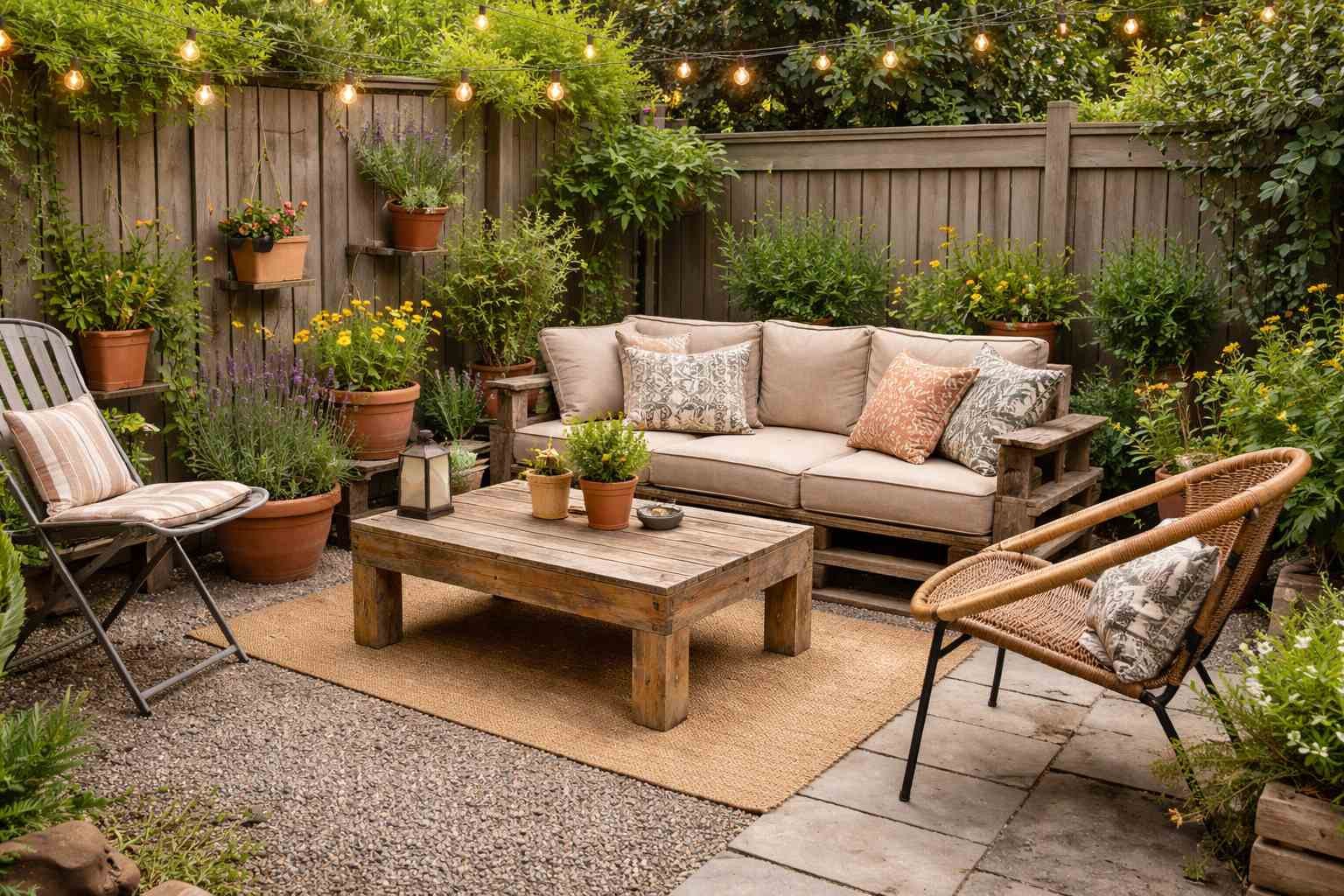
Creating your dream outdoor living space doesn’t require a hefty renovation budget or professional help. More homeowners are discovering that small strategic changes can completely transform any backyard, balcony, or terrace without emptying your wallet. Whether you’re working with a cramped outdoor area or an outdated terrace, patio ideas on a budget deliver beautiful, functional results through smart DIY solutions and creative thinking that anyone can implement.
The secret lies in prioritizing impact over expense—repurposing materials, shopping secondhand, and focusing on projects you can tackle yourself over a weekend. With a little planning and creativity, you can build a stunning patio retreat for a fraction of what professional installations cost.
Understanding Your Patio Canvas
Before starting any budget patio project, evaluate your space type—backyard, balcony, or existing concrete slab—to choose the most cost-effective DIY approach for your situation.
Before diving into renovations, assess what you’re working with. Most budget-friendly patio transformations start with one of these settings:
Backyard patios typically range from 100 to 400 square feet and offer the most flexibility for DIY projects. You can experiment with different materials, layouts, and zoning without worrying about weight restrictions or landlord approval.
Balconies and terraces present unique challenges with limited square footage and weight considerations, but they’re perfect for renters seeking temporary, reversible solutions. These elevated spaces benefit most from lightweight furniture and container gardening.
Existing concrete slabs are common in older homes. Rather than expensive removal, these provide solid foundations for budget makeovers using paint, outdoor rugs, or click-together deck tiles.
When planning your renovation, measure your space carefully and note sun exposure, drainage patterns, and access points. These factors influence which DIY budget patio projects will work best for your situation.
Budget-Friendly Patio Flooring Options
Affordable patio flooring ranges from $0.50-3 per square foot using reclaimed materials, gravel, or concrete refreshes—each offering unique aesthetics without the premium price tag.
The foundation of any patio sets the tone for the entire space, but it doesn’t need to be your biggest expense.
Second-Hand and Reclaimed Materials
Salvage yards and online marketplaces offer discounted bricks, pavers, and tiles at 50-70% less than retail, making reclaimed materials one of the smartest affordable patio ideas.
Salvage yards, demolition sites, and online marketplaces overflow with discounted bricks, pavers, and tiles. Reclaimed materials often cost 50-70% less than new products while adding character and history to your space. Mix and match brick patterns to create visual interest, or use mismatched pavers in a random layout that looks intentionally eclectic.
When you repurpose furniture for outdoor use, apply the same thinking to flooring materials. Old ceramic tiles, broken concrete pieces arranged mosaic-style, and weathered wooden planks all create unique surfaces with minimal investment.
Gravel and Wood Chip Patios
Gravel patios cost just $1-3 per square foot and can be installed in a weekend, making them the cheapest DIY patio option for most homeowners.
Gravel remains one of the cheapest patio options, typically costing $1-3 per square foot installed. Here’s how to create a gravel patio yourself:
- Outline your patio area and remove grass/weeds 3-4 inches deep
- Lay landscape fabric to prevent weed growth
- Add a 2-inch base layer of crushed stone for stability
- Top with 2 inches of pea gravel, decomposed granite, or river rock
- Edge with pressure-treated lumber, metal edging, or stones
Wood chips offer an even more economical option for casual entertaining areas, though they require annual replenishment. Both materials provide excellent drainage and easy DIY installation.
Refreshing Existing Concrete
Transform existing concrete slabs for under $150 using paint, stencils, or outdoor rugs—perfect budget-friendly solutions for renters and homeowners alike.
Transform dull concrete slabs without demolition. Concrete stain or outdoor paint costs $30-80 per gallon and covers approximately 200 square feet. Stencil patterns mimic expensive tile work for under $50 in supplies. Transformation techniques include:
- Concrete resurfacing with overlay products
- Outdoor area rugs defining seating zones
- Interlocking deck tiles snapping together over concrete
- Faux stone or brick stamps creating texture
These budget-friendly patio decor solutions work brilliantly for renters since most are reversible.
Small Patio Ideas That Maximize Every Inch
Small budget patio designs use visual tricks like large pavers, vertical gardening, and multi-functional furniture to make compact spaces feel surprisingly spacious.
Limited space demands smart design choices. With the right approach, compact areas feel surprisingly spacious.
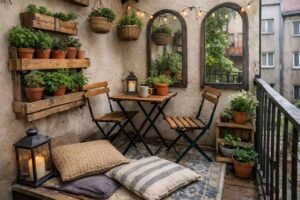
Create visual expansion using large-format pavers instead of small ones. Bigger slabs trick the eye into perceiving more square footage. Laying pavers diagonally rather than parallel to walls makes narrow spaces feel wider.
Vertical gardening multiplies usable space without sacrificing floor area. Wall-mounted planters, hanging baskets, and trellises draw eyes upward while incorporating greenery. Grow herbs, flowers, or trailing vines in repurposed gutters, wooden pallets, or stacked cinder blocks.
Space-saving furniture is essential for functional seating. Consider:
- Folding bistro sets stored when not needed
- Built-in benches with hidden storage underneath
- Nesting side tables
- Wall-mounted drop-leaf tables
- Floor cushions and poufs instead of bulky chairs
Mirrors and light colors expand small patios visually. Mount weatherproof mirrors on fences or walls to reflect greenery and light. Paint surrounding walls in soft neutrals that recede rather than advance.
Strategic space optimization means every element serves multiple purposes—planters that double as seating edges, storage benches, or tables with built-in cooler compartments.
Large Patio Ideas That Define Zones
Break large patios into functional zones using affordable materials like gravel, pavers, and mulch to create intimate outdoor rooms without expensive construction.
Big patios present the opposite challenge: preventing spaces from feeling empty or undefined. Breaking large areas into distinct zones creates intimacy without major construction.
Divide with different materials to separate a dining area (pavers) from a lounge zone (gravel) and a play space (artificial turf or mulch). This approach uses low-cost patio designs to define boundaries organically.
Create functional rooms outdoors by designating specific areas:
- Dining zone: Position a thrifted table and chairs near the house for easy kitchen access
- Lounge area: Arrange outdoor seating around a DIY fire pit made from retaining wall blocks ($50-150)
- Garden zone: Edge planting beds with reclaimed bricks or landscape timbers
- Activity space: Reserve open areas for games, yoga, or kids’ play
Pathways connect zones using stepping stones, gravel trails, or mulch walkways. This guides movement through your patio while adding visual structure for minimal cost.
Low-growing ground covers like creeping thyme or clover fill gaps between large paver sections, softening hard edges while reducing weed maintenance. These creative solutions add lushness without expensive landscaping.
DIY Accessories and Decor That Elevate Your Space
Budget patio decorating ideas focus on high-impact elements like lighting, furniture upgrades, and creative decor hacks that transform basic spaces for under $200.
Details transform basic patios into inviting retreats. Focus on high-impact accessories that maximize visual appeal without straining your wallet.
Lighting Creates Ambiance
Inexpensive patio lighting options ranging from $15-50—including string lights, solar fixtures, and DIY lanterns—dramatically enhance outdoor atmosphere without electrical work.

Inexpensive patio lighting dramatically changes the outdoor atmosphere:
- String lights ($15-40) suspended overhead create instant coziness
- Solar pathway lights ($20-50 for sets) require no wiring or electricity costs
- Mason jar lanterns holding battery-operated tea lights ($1-2 each)
- Outdoor candles in thrifted lanterns or glass hurricanes
- Uplighting using clip lights ($10-15) to illuminate plants or architectural features
Install lights at varying heights—overhead, mid-level on fence posts, and ground-level—for dimensional evening ambiance.
Furniture Upgrades on a Shoestring
Low-cost patio furniture solutions include repainting thrifted pieces, building DIY benches for $30-60, and creating custom cushions at 60% less than retail prices.
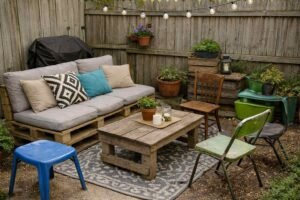
Low cost patio furniture doesn’t mean sacrificing style:
- Sand and repaint metal yard sale chairs in coordinating colors
- Build simple benches from concrete blocks and 4×4 lumber ($30-60)
- Construct pallet sofas adding outdoor cushions from discount stores
- Reupholster dated cushions with outdoor fabric remnants
- Spray paint plastic furniture in trendy colors for instant updates
Thrifty upgrades include making your own outdoor cushions, which costs 60% less than retail. Buy outdoor fabric when on sale and stuff with pillow inserts from discount stores.
Creative Decor Hacks
Easy budget patio hacks using outdoor curtains, painted planters, and repurposed items add personality and style without significant investment.
These easy hacks add personality:
- Hang outdoor curtains from tension rods for privacy and softness ($30-70)
- Display collections of vintage watering cans, lanterns, or garden tools
- Paint terra cotta pots in patterns matching your color scheme
- Create a living wall from mounted wooden pallets with planted pockets
- Use outdoor-safe paint to add murals or patterns to fence backgrounds
- Arrange firewood decoratively as sculptural elements
- Repurpose ladders as plant stands or towel racks
Budget friendly patio plants include division from existing gardens, cuttings from friends, or clearance annuals that spread quickly. Perennials offer better long-term value than annuals despite higher upfront costs.
What Budget-Friendly Patios Actually Cost
Real budget breakdowns show DIY patio projects ranging from $150-600 deliver 80-90% of professional aesthetics at just 10-20% of the cost.
Understanding real numbers helps you plan effectively and find solutions that fit your situation. These cost breakdowns show how accessible outdoor transformations can be when you implement patio ideas on a budget or explore cheap outdoor patio ideas yourself.
DIY Gravel Patio (200 sq ft)
- Materials: $200-400
- Tools (if needed): $50-100
- Total: $250-500
- Time: One weekend
Concrete Overlay Refresh (250 sq ft)
- Stain/paint and sealer: $100-200
- Supplies: $50
- Total: $150-250
- Time: Two days
Pallet Furniture Set (Sofa + Table)
- Pallets: Free-$40
- Cushions: $80-150
- Hardware/stain: $30-50
- Total: $110-240
- Time: One weekend
Complete Small Patio Makeover (150 sq ft)
- Gravel base: $200
- Furniture: $200
- Lighting: $80
- Plants/decor: $120
- Total: $600
- Time: Two weekends
Compare these figures to professional patio installations ranging from $3,000-15,000 for similar square footage. The spaces you create yourself deliver 80-90% of the aesthetic appeal for 10-20% of the cost.
DIY projects also allow phased completion. Tackle flooring first, add furniture when budgets allow, then layer in lighting and accessories over subsequent months.
Practical Tips for Patio Success
Successful budget-friendly patio tips include proper prep work, phased completion, low-maintenance materials, and embracing imperfection for character-rich outdoor spaces.
Learn from experienced DIYers who’ve transformed their own outdoor spaces:
Start with a clear plan but remain flexible. Measure twice, buy materials once. That said, some of the best features come from spontaneous inspiration at salvage yards.
Prioritize comfort and function over appearance. The prettiest patio fails if seating hurts after 15 minutes or your layout blocks traffic flow. Test furniture placements before permanent installation.
Prep work determines longevity. Properly compacted gravel bases prevent settling. Clean surfaces before painting. Apply sealers to protect DIY projects from weather. Skipping prep saves time now but costs money later.
Layer gradually rather than completing everything at once. This spreads costs across months while letting you refine your vision. You might discover that an expensive pergola isn’t necessary once string lights provide sufficient shade and ambiance.
Choose low-maintenance options. Gravel requires less upkeep than grass. Perennials return annually unlike annuals. Composite materials outlast natural wood. Successful renovations minimize ongoing time and money investments.
Embrace imperfection and personality. Mismatched furniture painted cohesive colors looks curated. Cracked pavers arranged artistically become features. Budget patios gain character from their assembled-over-time aesthetic that expensive coordinated sets lack.
Think long-term value. A $200 concrete slab lasts decades. A $50 outdoor rug needs replacing every 2-3 years. Sometimes spending slightly more upfront saves considerably over time.
Frequently Asked Questions About Budget Patio Ideas
What is the cheapest patio option?
Gravel patios are typically the most affordable option, costing $1-3 per square foot for materials. A basic gravel patio requires landscape fabric, crushed stone base, and decorative gravel or pea gravel on top. For an even cheaper temporary solution, wood chips or mulch cost under $1 per square foot but need annual replacement. If you already have a concrete slab, simply painting or staining it costs just $30-80 for materials covering 200 square feet.
How to build a patio for cheap?
Start by choosing budget-friendly materials like gravel, reclaimed pavers, or concrete. DIY installation saves 50-70% compared to professional labor. Outline your space, excavate 3-4 inches, lay landscape fabric, add a crushed stone base, and top with your chosen surface material. Shop salvage yards and online marketplaces for discounted materials. Complete the project in phases—flooring first, then furniture and accessories as budget allows. A basic 200 square foot gravel patio can be built for $250-500.
How to decorate a patio with little money?
Focus on high-impact, low-cost elements. String lights create instant ambiance for $15-40. Repaint thrifted furniture in coordinating colors. Make DIY planters from painted buckets, crates, or cinder blocks. Add outdoor rugs from discount stores to define seating areas. Hang outdoor curtains for privacy and softness. Use solar lights to eliminate electricity costs. Paint existing concrete with stencil patterns. Shop clearance plants at garden centers and propagate cuttings from friends. Most decorating projects cost under $100.
What are the best low cost patio flooring ideas?
The top budget flooring options include gravel or pea gravel ($1-3/sq ft), concrete pavers from salvage yards ($0.50-2/sq ft), wood chips or mulch ($0.50-1/sq ft), painted or stained concrete (under $1/sq ft), interlocking deck tiles over existing concrete ($2-4/sq ft), and reclaimed bricks arranged in patterns ($1-3/sq ft). Each option offers different aesthetics and maintenance requirements, but all cost significantly less than professional paver or stone installations.
How to make a small patio look good on a budget?
Use large-format pavers to create visual expansion—bigger slabs make small spaces feel larger. Lay materials diagonally rather than parallel to walls. Add vertical elements like wall planters, trellises, and hanging baskets to draw eyes upward. Choose space-saving furniture like folding bistro sets or built-in benches. Paint surrounding walls in light colors. Add mirrors to reflect light and greenery. Define zones with outdoor rugs. Install string lights overhead for ambiance. These strategies maximize perceived space without expensive renovations.
Are pallet furniture projects safe for outdoor use?
Yes, with proper preparation. Use heat-treated pallets marked “HT” rather than chemically treated ones marked “MB.” Sand rough edges thoroughly to prevent splinters. Apply outdoor wood stain or sealant to protect against weather and moisture. Reinforce joints with wood screws and corner brackets. Add outdoor-rated cushions for comfort. Properly prepared pallet furniture lasts 3-5 years outdoors. Inspect annually and reapply sealant as needed. Total material costs typically run $100-200 for a complete seating set.
What mistakes should I avoid when building a cheap patio?
Avoid skipping proper ground preparation—inadequate base layers cause settling and uneven surfaces. Don’t ignore drainage—standing water damages materials and attracts mosquitoes. Avoid buying furniture before planning layout—you might purchase pieces that don’t fit your space. Don’t forget weatherproofing—unsealed wood and untreated materials deteriorate quickly. Avoid starting too many projects simultaneously—finish one phase before beginning another. Don’t sacrifice function for aesthetics—uncomfortable seating or poor traffic flow makes beautiful patios unusable.
How long does a DIY budget patio last?
Lifespan depends on materials and maintenance. Gravel patios last indefinitely with occasional replenishment and edging repairs. Properly sealed concrete lasts 20-30 years. Reclaimed pavers last 15-25 years when installed with adequate base preparation. Wood chip patios need annual replacement. DIY pallet furniture lasts 3-5 years with proper sealing. String lights last 2-3 seasons. Budget patios require more frequent maintenance than expensive professional installations, but proper prep work and annual upkeep extend lifespan significantly.
Can renters create budget patios?
Absolutely. Focus on non-permanent, reversible solutions. Use interlocking deck tiles or outdoor rugs over existing surfaces—both remove without damage. Choose portable furniture rather than built-ins. Install tension rod curtains instead of drilling into walls. Use solar lights and battery-operated fixtures avoiding electrical work. Plant in containers rather than ground beds. Create vertical gardens with freestanding trellises. When moving, simply remove additions and restore the original surface. Many landlords welcome improvements that enhance property value without permanent alterations.
What are good patio ideas for small backyards?
Maximize limited square footage with multi-functional furniture like storage benches and nesting tables. Create vertical gardens using wall-mounted planters and hanging baskets. Choose a simple material palette—too many different materials make small spaces feel cluttered. Define a single primary zone rather than multiple competing areas. Use large pavers instead of small ones for visual expansion. Add mirrors to create depth. Install fold-down tables that tuck away when not in use. Keep decorations minimal but impactful—one statement piece beats multiple small items.
Conclusion: Create Your Dream Patio Without Breaking the Bank
Transforming your outdoor space proves that beautiful, functional design doesn’t require unlimited spending. From affordable gravel installations and reclaimed materials to DIY furniture projects and creative lighting solutions, budget-friendly approaches deliver stunning results for a fraction of professional installation costs.
The key to successful affordable patio makeover projects lies in strategic planning, willingness to DIY, and focusing investments on high-impact elements. Whether you’re refreshing existing concrete, building a new gravel foundation, or assembling thrifted furniture painted in coordinating colors, each small improvement compounds into a complete outdoor transformation.
Remember that the most inviting patios evolve over time. Start with essential flooring and seating, then gradually layer in lighting, plants, and decorative accessories as your budget allows. This phased approach not only spreads costs across months but also lets you refine your vision based on how you actually use the space.
Your outdoor living area deserves the same attention and comfort as your home’s interior. With the solutions outlined in this guide, that dream patio is more achievable than you might think. The combination of creativity, resourcefulness, and elbow grease creates outdoor rooms that rival expensive professional designs while costing 80-90% less.
Ready to Start Your Budget Patio Transformation?
Don’t wait for the perfect moment or the perfect budget. Begin this weekend with one manageable project—paint that concrete slab, install string lights, or build a simple planter. Each completed task builds momentum and confidence for the next.
Share your journey: Post your transformation on social media using hashtags like #BudgetPatio and #DIYOutdoorSpace to inspire others and connect with fellow DIY enthusiasts who can offer tips and encouragement.
Explore more ideas: Browse our additional guides on affordable outdoor living space concepts, DIY garden projects, and seasonal patio decorating to keep your space fresh and inviting year-round.
Get creative and have fun: The beauty of budget projects lies in their flexibility and personality. Your patio should reflect your unique style and needs, not someone else’s expensive vision. Embrace the process, learn from mistakes, and celebrate the character that comes from handcrafted, assembled-over-time outdoor spaces.
When you’re ready to create inviting outdoor areas without overspending, these proven strategies demonstrate that style and financial limits can coexist beautifully. With strategic planning and a little determination, you’ll build a backyard retreat that provides years of enjoyment and countless memories.
Start planning your patio transformation today—your future self relaxing in that perfect outdoor oasis will thank you.